When Should You Move from Assisted Living to a Nursing Home?

I never thought I’d be the decision maker about when it was time to move my grandmother from assisted living to a nursing home. It felt like a massive and even unwelcome step—one that came with guilt, anxiety, and a lot of second-guessing. But looking back, I feel confident my family made the right choice for Grandma’s safety, quality of life, and well-being. If you’re seeing certain signs and perhaps facing a similar choice, know you aren’t alone. It’s common to wonder if it’s REALLY time to consider a nursing home, and it’s especially challenging if you feel this decision is imminent. Here, I will share my family’s experience in the hopes that it helps you navigate this time of transition. Here are indicators that it might be time to move from assisted living to a nursing home.
1. Increasing Medical Needs

When my grandmother first moved into assisted living, she was, for the most part, highly independent. She needed help with housekeeping, meal services in the dining hall, medication reminders, and a few daily tasks. But over time, her congestive heart failure got worse, causing her health to decline. While her doctor helped us to stay on top of the diagnosis, we found that she needed more frequent medical care and support in taking her medications and following the doctor’s orders. Her assisted living facility simply wasn’t staffed or equipped to provide 24/7 skilled nursing. The more complex nature of her medical needs and increasing need for nursing support and medical care helped us to determine that a move might be beneficial. Assisted living support simply wasn’t enough to keep her safe and comfortable.
2. Repeated Hospital Visits

In the last few months before we moved my grandmother, she was in and out of the hospital four times. It was exhausting, frustrating, and confusing for her to constantly move out of her assisted living apartment and into a hospital and work with different medical professionals. It was also stressful for the whole family as we coordinated visits and navigated care. Repeated hospitalizations due to falls, infections, or chronic health conditions are a lot for even the best assisted living facility to manage. The round-the-clock care a nursing home can provide helps prevent emergencies before they happen and reduces the need for rehospitalizations.
3. Mobility Challenges and Risks
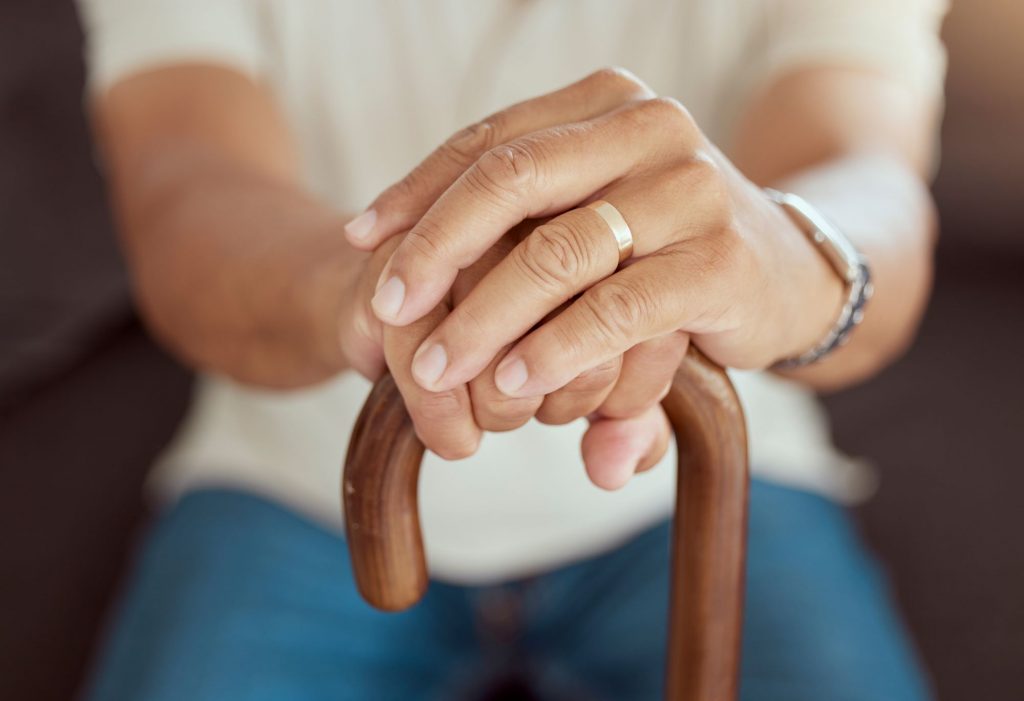
My grandmother’s assisted living facility provided some physical support. Unfortunately, they weren’t equipped to meet the intensive needs of someone completely dependent on others for mobility and transfers. My grandmother went from walking pretty confidently with a cane to needing a wheelchair, to needing to be pushed in her wheelchair. Eventually, her stamina gave out, and she needed full assistance just to get out of bed. This placed her at great risk of falling and made it nearly impossible for her to get up and go to the bathroom in the middle of the night. She also started to spend more time alone in her room rather than heading to the dining hall to socialize with friends due to the sheer exhaustion that getting out of bed and into her wheelchair caused. It impacted her health and quality of life. If your loved one can no longer transfer independently, it’s time to consider a nursing home.
4. Cognitive Decline

As my grandmother’s congestive heart failure progressed, it impacted her cognitive functioning. What initially looked like mild dementia progressed to the point where we feared that she might wander, forget where she was, and even become aggressive. While her doctor did not diagnose her with advanced dementia, he assessed her condition and said he expected cognition to continue to decline. Her assisted living facility couldn’t meet these needs, but we found a fantastic nursing home with a memory care unit that could. If your loved one’s cognitive decline is making it unsafe for them to stay in assisted living, a memory care unit in a nursing home might be a better fit.
5. Increased Need for Help with Activities of Daily Living

Bathing, dressing, washing and brushing her hair, using the bathroom—these are all things my grandmother used to manage completely on her own. But as her health and stamina declined, she started to need more supervision. Eventually, she moved to requiring hands-on assistance for nearly everything related to her hygiene. Her assisted living facility did not provide this level of care, so family members stepped in to help. However, we weren’t always available when she needed us. That meant some days she would go without a shower, or her appearance was unkept, making her feel depressed and ashamed to go out in public. If your loved one is struggling to manage activities of daily living on their own and their care needs are beyond what assisted living staff can provide, a nursing home may offer the support they need.
6. Weight Loss or Poor Nutrition

Weight loss was something that we saw when Grandma started to show signs of progressive dementia. It appeared that she either forgot to eat or lost interest in food, and even with meal services in the dining hall, she wasn’t getting the nutrition she needed to maintain a healthy weight. Moving her to a nursing home meant she had access to specialized staff, including dietitians, who oversee her meal times and care plan to encourage her and will even provide direct support with feeding if her condition continues to progress. This ensures she gets proper nutrition and hydration so her weight remains healthy and stable.
7. Medication Mismanagement

Grandma used to do fine with medication reminders. We would sit with her as she filled up her pill box each week, and one of the aides would stop by once or twice a day and check in to see if she’d taken her medications. When her congestive heart failure progressed and she needed to take more medications, this became more complex. Her memory was also declining, making it difficult for her to remember if she had taken her medication and at what time. She started missing doses, and there was even a time when she took the wrong medication, which resulted in a hospitalization. Now, her medications are administered by a skilled nurse, and the exact dosing schedule is noted in her chart. Her health has improved with this oversight. If your loved one’s medication regimen is becoming too complex, or they’re unable to take medications as prescribed, a nursing home can offer the supervision they need.
8. Behavioral Changes

When Grandma’s health started to decline and things like getting out of bed were harder, we noticed some changes in her behavior. Our once-happy grandmother seemed depressed, withdrawn, and irritable. This was one of the hardest parts of her transition. It was largely due to her changing physical abilities, but we also viewed it as a sign that she wasn’t getting the care she needed. When we moved her to a nursing home, the transition was initially challenging. However, once she settled into her new routines and environment, her mood began to change for the better. If your loved one is displaying significant mood changes, agitation, or depression, it may be a sign that their assisted living facility is no longer adequately meeting their needs.
9. Family Caregiver Burnout

I have always enjoyed spending time with my grandmother. My mom and I visited her daily. At first, those visits were social and fun. Eventually, they were more about helping her with things like getting out of bed, bathing, or going to the bathroom. These were the things that assisted living staff simply weren’t equipped to manage. Over time, all of these tasks became overwhelming. We were exhausted, emotionally drained, and constantly worried about her safety. The visits started to feel burdensome, and I didn’t want to feel that way about someone I loved so much. Those feelings shifted once we moved her to a nursing home that is equipped to manage her day-to-day needs. If you are struggling to keep up with family caregiving demands, a nursing home can provide the comprehensive care your loved one requires. This means you get to spend more quality time with them and enjoy peace of mind when you can’t be there.
Making the Decision to Move to a Nursing Home
No one wants to think about moving a loved one from assisted living and into a nursing home. It’s an indication that their health is declining, which is tough to face. It’s also emotional, complicated, and can feel like you’re giving up. But the truth is, nursing homes provide specialized care that assisted living facilities are not equipped to offer.
When my grandmother finally made the move, we saw some big improvements. She was safer, had better medical attention, was happier, healthier, and even started to regain some of her strength and stamina. Her doctor was impressed with the level of improvement. If your family is currently facing this decision, remember: it’s about what helps your senior loved one to live comfortably with dignity and the support they need. When care needs become too great for an assisted living facility, a nursing home is a sensible next step and just might offer the best possible care for the person you love.
Click here to find a nursing home near you.
Image Credit: DekiArt @ Getty Images | Getty Images | https://www.shutterstock.com/g/olegkalyna

Popular Articles About Nursing Homes, and Assisted Living
Originally published April 14, 2025
Author(s):