Why You NEED to Engage Your Mind During Retirement
Key Takeaways
- Retirement can cause anxiety and depression, so staying mentally engaged is more important than ever.
- Even simple activities, like playing music or spending time with loved ones, can bring joy and fulfillment.
- Staying mentally and socially active is important, reducing social isolation and cognitive decline.
Aging brings change. The body slows. So does your mind. That’s why mental fitness is every bit as important as physical fitness. A healthy mind is essential for your overall well-being. Not only does it boost your energy, but it can also provide you with a much-needed sense of purpose. If you want your golden years to truly be golden, keeping your brain active is more than beneficial; it’s necessary.
Why Staying Mentally Active in Retirement Brings Joy

Retirement should be a time of joy and fulfillment. However, studies show that it’s not all sunshine and roses. Studies show that retirement can trigger anxiety and depression. Older adults might be so closely connected to their jobs that it can even feel like a physical loss. Keeping your mind engaged can bring the fulfillment and joy you deserve. Mental activities can bring some much-needed joy to your daily life and enhance your overall mood. It also supports brain health and can keep your cognitive functions firing on all cylinders. This is especially important, as nearly one-third of Americans 65 and older have some level of cognitive impairment. Staying connected, both mentally and socially, is one of the best ways to prevent dementia.
Creativity Brings New Energy
There’s power in creativity. Drawing, painting, writing, and even gardening all engage the brain. These aren’t just hobbies. They are ways to express thoughts and feelings. They can help you process your emotions and reduce stress. Creativity also adds meaning to the day. A new project, big or small, gives something to look forward to. It doesn’t have to be perfect. Each project is a new beginning, no matter your age. When creativity becomes part of the routine, it adds color to life. It keeps the mind moving. It opens the door to self-discovery—even in later years.
Social Interaction Keeps the Mind Alive

Being around others offers a wide range of mental and emotional benefits. Conversations spark new thoughts, laughter brings lightness, and sharing stories builds bonds. All those things keep the brain alert!
Isolation is harmful, as it makes the days feel longer and the nights quieter. Some research even suggests that social isolation can reduce your lifespan and accelerate cognitive decline. When seniors spend time with friends or loved ones, they don’t need to worry about the terrifying effects of isolation. Their minds are challenged, their hearts are full, and their emotions are balanced.
Group games, community events, or simple chats over tea can keep the brain active. Many senior living communities recognize the importance of keeping residents both mentally and socially active. For instance, communities for senior living in Sugar Land, TX, and other areas often offer enriching programs designed to keep residents mentally active and socially connected. These shared experiences enhance both brain health and emotional resilience.
Click here to find active adult communities near you!
Physical Movement Supports Brain Health
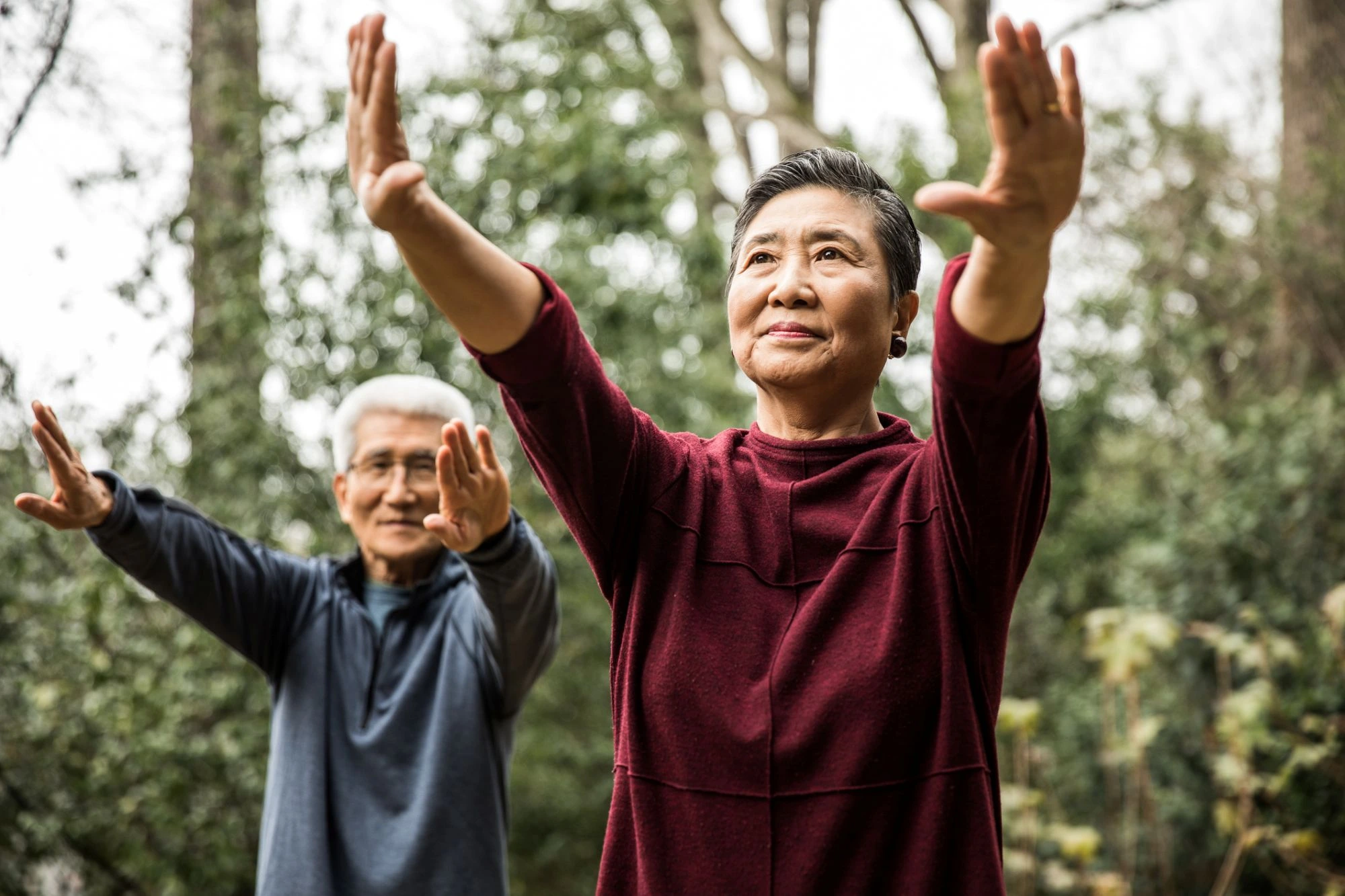
The body and mind are deeply connected. A short walk, stretching, or light yoga helps both. Movement sends fresh oxygen to the brain. It lifts the spirit and helps focus. You should aim for about 150 minutes of moderate-intensity aerobic activity per week and do strength training at least 2 days a week.
Even gentle daily routines can bring clarity. A walk in nature calms the mind. Watering plants can become a peaceful habit. These small acts are more than just movement. They’re moments of mindfulness, grounding us in the present with intention and ease.
Staying active doesn’t mean overdoing it. It means keeping the body engaged in ways that also nourish the brain. The benefits are both mental and emotional, helping to reduce stress, sharpen focus, and build resilience through consistent and compassionate self-care practices.
Exploring New Tools and Simple Habits

Today’s technology offers tools to keep the mind fresh. Video calls with family help reduce loneliness. Online games and courses add mental challenges. Digital tools are not just for the young. Seniors can enjoy them, too.
Music is another helpful tool. Listening to a favorite song can bring back joyful memories. Singing along boosts mood. Some seniors even pick up an instrument, finding new joy in melody. Reading also remains a strong habit. It feeds the imagination and pens new worlds. Whether it’s a novel, magazine, or poem, reading is a way to learn something new daily.
Even quiet moments of reflection or prayer can support mental health. Slowing down doesn’t mean shutting off. It means tuning in.
Conclusion

The golden years are not a time to stop. They’re a time to grow in new ways! Staying mentally active adds joy, purpose, and balance to each day. Whether through creativity, conversation, movement, or learning, there are countless ways to keep the mind alive. A curious and engaged mind brings strength that extends beyond memory. It brings peace, excitement, and a deeper connection to life. The world still has much to offer—and the mind still has much to give.
Click here for more Health & Wellness resources.

Popular Articles About Mental and Emotional Health
Originally published May 15, 2025
Author(s):