10+ Home Renovation Ideas for Seniors with Disabilities
Aesthetics and resale value matter a lot when we’re young. As we get older, our idea of a cozy home changes. That second floor that was a must-have suddenly seems superfluous. Meanwhile, the bathtub you always wanted might seem a lot more inviting with grab bars. Fortunately, you can blend comfort and safety to create the perfect aging-in-place haven! Consider these home renovation ideas for seniors with disabilities.
Things to Consider

Shoes and clothes aren’t one-size-fits-all, and the same goes for home renovations! Everyone’s needs and preferences are different. So, before you let a construction crew trample through every square inch of your home, changing and tweaking it along the way, take a deep breath and read our guide first. Here are a few things to consider as you decide what to add, remove, or replace in your home.
1. Health and Safety
What are the health hazards in your house? How do you get rid of them?
Falls and injuries can lead to serious complications for seniors. While you can’t avoid every accident (they wouldn’t be an accident if you prepared for them in advance!), you can significantly reduce the risks with a few simple changes:
- Declutter floors: Keep walkways clear of tripping hazards like loose rugs or clutter. Non-slip mats can also enhance floor safety.
- Organize sharp tools: Store knives and sharp objects in safe, easy-to-reach locations, like magnetic strips or drawer organizers with safety locks.
- Opt for shatterproof materials: Replace fragile glassware with non-breakable alternatives to minimize potential injury.
2. Accessibility and Security
How easy is it to move in and out of your house? Is it equally easy to move around inside? Is your home secure?
Accessibility and security are important for seniors with disabilities. The Americans with Disabilities Act (ADA) sets standards for improving accessibility in public spaces, but you can also apply its principles to your home. Consider these upgrades:
- Widen doorways and hallways to accommodate wheelchairs or walkers.
- Install ramps or platform lifts to replace stairs.
- Add grab bars in key areas, such as bathrooms and along hallways.
- Ensure outdoor spaces are well-lit and secure for added safety.
3. Convenience
What household chores will you still do? How can you make them easier?
Staying productive, even in small ways, can boost your mood and help you maintain your independence. However, disabled seniors might feel overwhelmed by certain tasks. Here are a few ideas to make chores more manageable:
- Tool upgrades: Invest in lightweight or automated cleaning devices, like robot vacuums or ergonomic appliances.
- Reorganize key areas: Place frequently used items in accessible locations, reducing the need to reach or bend.
- Automated systems: Invest in smart home technology, like lighting and thermostats, to make adjustments simpler and more convenient.
4. Comfort
How do you prefer to relax? Does your furniture provide enough support?
Whether you’re spending time with your grandbabies, reading, or just chilling on the couch, comfort matters. Make sure your furniture supports your needs:
- Ergonomic seating: Choose chairs that are easy to get in and out of while offering proper cushioning and lumbar support.
- Adjustable beds: These can make relaxation and sleeping more comfortable, especially for those with mobility challenges.
- Cozy spaces: Create seating arrangements that encourage both individual relaxation and quality time with visitors.
5. Budget and Costs
How much can you spend on renovations, and what are your priorities?
Before even hiring a contractor, create a budget. First, determine how much you’re willing to invest without chipping away at your savings. Keep these tips in mind:
- Start with the most important modifications, such as ramps or grab bars, and add others gradually.
- If money is tight, consider grants, loans, or programs designed to assist with senior home modifications.
- Focus on changes that will provide both immediate and long-term benefits.
6. Building Restrictions
Do you own your home or rent? Are there local building restrictions to consider?
Building restrictions vary from state to state, and what you can or can’t renovate may also depend on whether you own or rent your property. For example:
- Renting: Always check with your landlord to see if certain renovations, such as grab bars or ramps, are allowed.
- Ownership: Consult a licensed contractor to understand local regulations and construction guidelines.
Home Renovation Ideas for Seniors with Disabilities
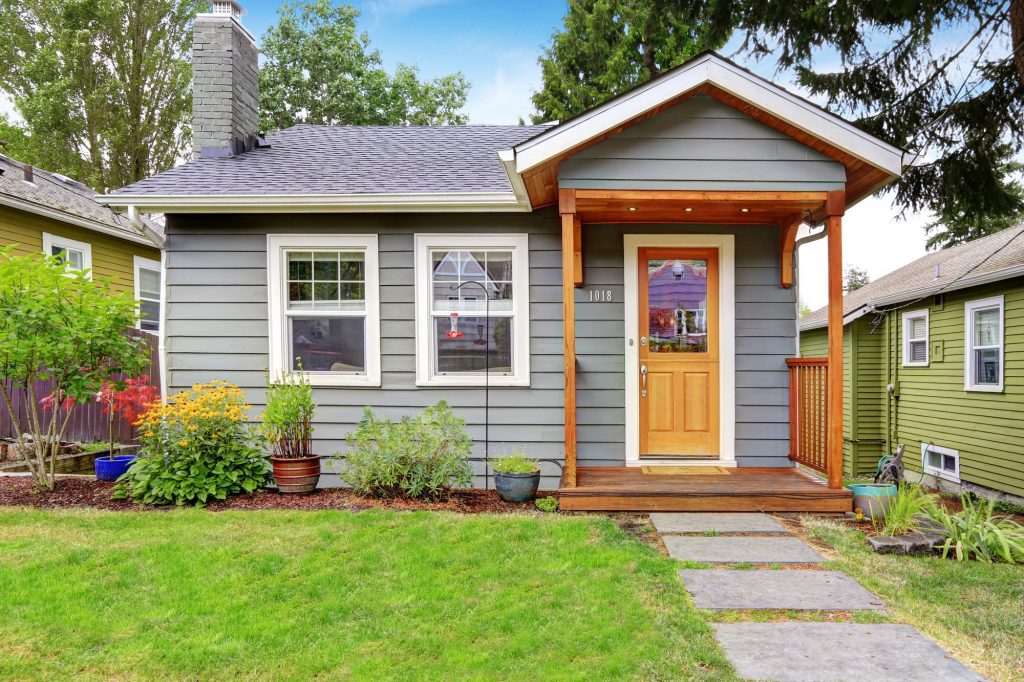
Install Wider Doors
According to the ADA, doors must have a clear width of at least 32 inches. A wheelchair’s standard width is 25 inches, so ideally, a user can easily pass through such doors. However, for increased accessibility for you and your caregiver, modify the doors in your main entrance, bedroom, and bathroom. Replace them with those that have a width of 36 inches (or even wider, depending on what you like!).
Good old wooden doors can be ideal for your main entrance and bedroom. If you have sliding doors, get them hinged instead. They should be sturdy enough to withstand natural elements, but you should also be able to open and close them with only a little force. Swap door knobs with levers, as well!
Mount Hooks on the Walls
Discard coat racks and hang your outerwear on the wall instead. You can also keep your caps and umbrellas there.
Set Up a Ramp
A ramp improves accessibility to your main door. According to the UN, ramp configurations are classified into three types: straight, 90 turns, and 180 turns (also called switchback). The first two choices are only suitable for spacious front yards. For those with limited space, switch-back and retractable ramps are better choices. The ADA also suggests that ramps must be 1:12 in slope, so there must be a 1-inch increase in height for every 12 inches of length.
Add Grab Rails
Stainless-steel grab rails should be installed on the sides of a ramp. These can provide support, letting you maintain your balance as you walk up them. Of course, you should also install grab bars in your bathroom! These can help you get in and out of the shower or provide a little extra stability when nature calls. While glass railings are aesthetically pleasing, they can be slippery and increase your risk of falling. If you have them inside your home, replace them with wood or install grab rails for added safety.
Install Rubber Flooring
Some types of flooring are more slippery than others. Carpets and rugs can be a good alternative, but they also tend to trap dirt and dust. And while carpets are supposed to lie flat on the floor, they don’t always behave! Stumbling over the edge of a carpet can be disastrous.
Rubber flooring, commonly used in gyms and dance studios, is an excellent choice for disabled seniors. Not only is it less slippery than other types of floors, but it’s also easier to clean! Can you say, “Win-win”? On a budget? Then prioritize the kitchen for rubber flooring! For the bathroom, you don’t have to remove the existing tiles; you can simply place rubber matting on top. This can enhance safety and give your bathroom a sleek makeover!
Adjust the Height of Controls and Switches
You shouldn’t have to bend or stretch to hit a button. Instead of the usual height of 48 inches from the floor, lower your thermostat and light switches to waist level. Avoid misplacing remote controls by affixing their holders right next to the switch panels. As for the remote control for your TV, keep it on the side table next to your couch.
Power Outlets
Avoid using extension and long appliance cords because you might trip over them. For existing power outlets, either reposition them or add more. Ideally, they should be at a height you can easily reach. Make sure there are power outlets near your bed and kitchen counter, as well!
Get Security Cameras
If you’re alone most of the time, install security cameras that cover the areas around your main door, back door, living room, and kitchen. That way, your loved ones can check on you without calling you at random hours.
Some doorbells are also equipped with cameras. With a wall–mounted system, you can find out who’s at your door and look in using the buttons or voice control.
Have Your Bedroom on the First Floor
Skip this if your room is already on the first floor. If not, prioritize this home renovation project if you have the space. If moving your bedroom to the first floor isn’t feasible for your home or budget, set up a stair lift or a small elevator in your house.
Get a Suitable Bed
If you can lie down and get up from bed independently, make sure the mattress is at a height that allows your knees to bend at a right angle when seated. Of course, adding bed rails on the sides can provide extra support and help you balance as you get up. For seniors who need a little extra assistance, an adjustable bed is a great option. This can allow your caregivers to raise and lower the bed, making it safer for you and easier for them!
Lower Cabinets and Drawers
If your cabinet is custom-made and mounted to the wall, ask your carpenter to install a rod at a lower level. Then, use this rod to hang your most frequently worn clothes so they’re easily accessible.
Dedicate specific shelves for medical supplies and tools to keep things organized. Additionally, place an emergency kit on a table or a shelf near your bed for quick access when needed.
Bathroom Modifications
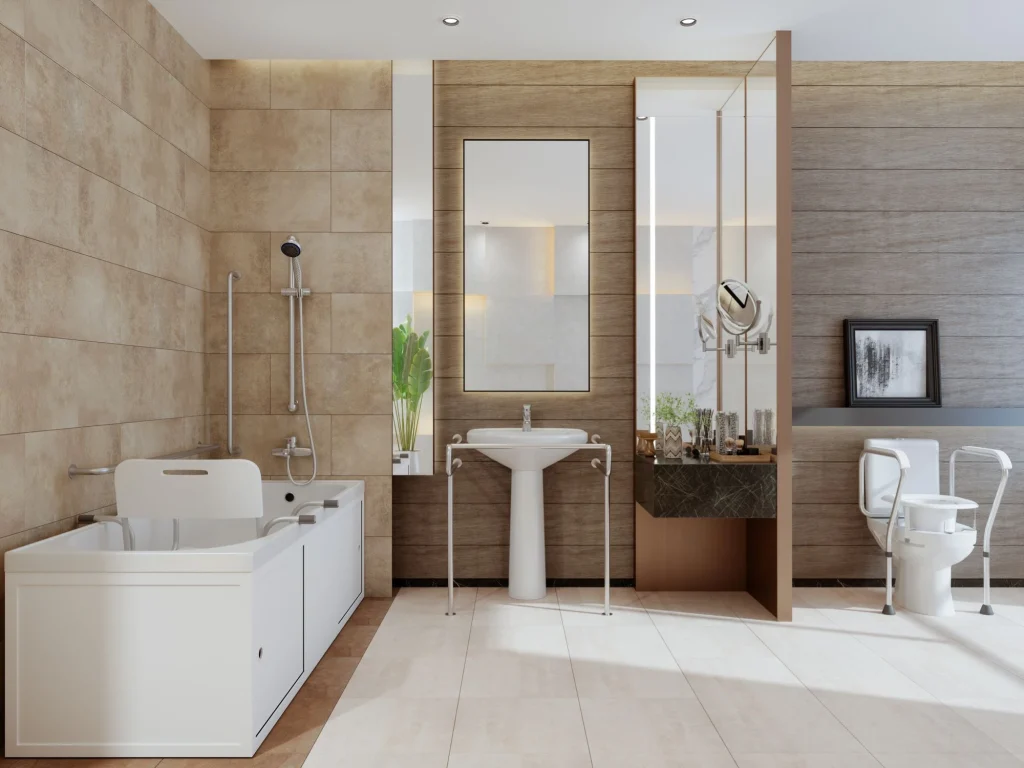
Remove the Shower Enclosure and Tub
Enclosures, especially glass ones, are not only risky; they’re unnecessary, since a shower curtain can do the trick. Make sure the shower area is floor level or just slightly lower to facilitate drainage, so there isn’t a tripping hazard. Remove water stoppers, as you might stumble over them when entering or exiting the shower.
Upgrade Faucets and Shower Heads
Replace traditional faucet knobs with levers, which are easier to operate. Installing a handheld showerhead can be especially useful for days when you just want to wash specific parts of your body, such as your legs, without taking a full bath.
Lower the Sink
Position the sink at a lower height, accompanied by grab bars on either side to provide extra support. A lower sink makes daily tasks like washing and brushing more manageable. If space is limited in your bathroom, remove any under-sink cabinetry and install a circular sink design to save room.
Add Bathroom Niches
Carve out niches in bathroom walls to store essentials instead of relying on bulky shelves or cabinets. Place a niche near your sink for items like your toothbrush, toothpaste, and soap dispenser. Another niche near the showerhead and faucet levers is a great spot for bath products.
Install a Toilet with a Bidet
Opt for a toilet with a built-in or handheld bidet to simplify personal hygiene. Built-in designs save space compared to standalone options. Premium models may also offer features such as heated seats, adjustable water temperature, and customizable pressure settings, which can make your time in the bathroom feel like a luxury!
Kitchen Modifications
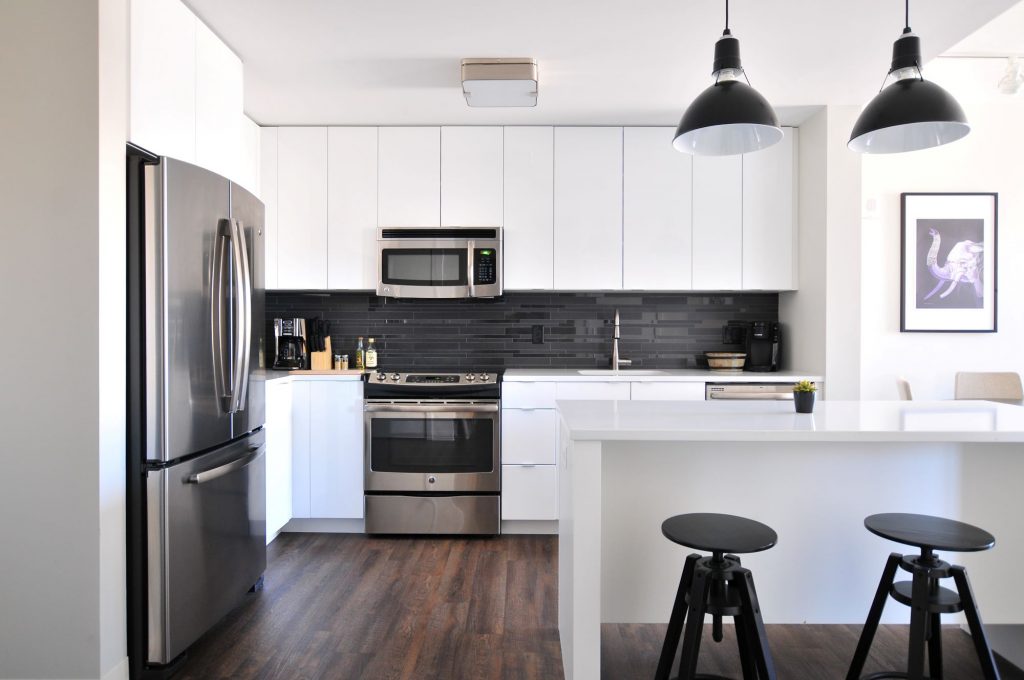
Remove the Kitchen Island
Eliminate the kitchen island to create more space for easier movement. Fewer storage options can also encourage you to reduce clutter and avoid accumulating unnecessary items.
Adjust Sink and Countertop Heights
Lower your sink and countertops to make washing and meal preparation more comfortable. Compact sink designs and narrower countertops can also maximize available space. Switch to lever faucets and consider adding a tap with a flexible pipe for greater ease of use.
Organize Frequently Used Items
Display commonly used condiments, utensils, and wares on the countertop for easy access during meals. Avoid wall-mounted storage for items, such as pans and ladles, as they can be difficult to reach. Instead, place them in the upper compartments of your cupboard, reserving the lower compartments for less frequently used items.
Living Room Modifications
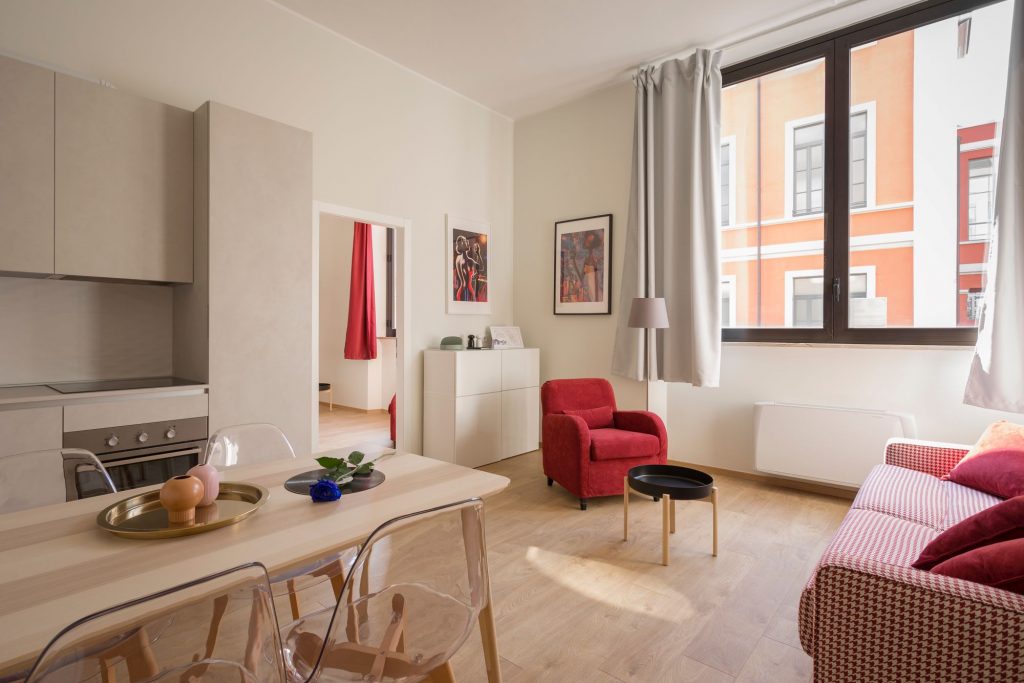
Mount the TV on the Wall
Mounting your TV on the wall removes the risk of bumping into it, which could lead to injury or damage to the screen. Wall-mounted TVs maintain floor space while also promoting safety.
Declutter for Safety
Decluttering is one of the simplest ways to create a senior-friendly environment. To make your living room the safe haven it should be, you should:
- Remove coffee tables and replace them with side tables for essentials like a remote control, table lamp, or a book.
- Get rid of freestanding displays or lamps to prevent tripping hazards.
- Streamline shelves and console tables by removing unnecessary items, especially glass and other fragile things.
- For sentimental items like framed photos, choose your favorites and mount them on the wall instead of keeping them on surfaces.
- Replace breakable knick-knacks, such as a fishbowl, with safer alternatives, like a wooden tray.
More Helpful Resources
You can turn your house into a safer, cozier space by making just a handful of important changes! And while you might resist change, remember that it’s important to adapt. Aging is all about embracing change and accepting reality. So, if you’re a disabled senior who hasn’t made modifications to your home, don’t delay! Start planning your home renovation today. Once it’s all said and done, you’ll wonder why you didn’t do it sooner!
Click here to find senior apartments near you.
Image Credit: kate_sept2004 / Getty Images | Shutterstock

Popular Articles About Aging In Place
Originally published April 29, 2025
Author(s):