10 Tips for Exercising with Arthritis

Arthritis can be incredibly painful and make everyday tasks difficult. Sadly, it’s also all too common, with over 70% of older adults reporting joint pain. Among those, 55% rated their symptoms as moderate to severe (according to the National Poll on Healthy Aging). With stats like these, some might think that joint pain is an inevitability. But thankfully, staying active and engaging in regular exercise can help. In fact, exercise might just be an essential part of managing arthritis symptoms. It can help you maintain strength and flexibility, reduce inflammation, and even improve your mobility. While it’s important to keep your joints moving, starting an exercise routine with arthritis may not be the easiest thing. Here are 10 tips that can help!
1. Understand Your Arthritis

Arthritis is essentially joint pain characterized by swelling, tenderness, and stiffness in one or more joints. Arthritis affects a significant number of seniors, with statistics showing that approximately 50 million adults aged 65 and older in the United States alone are living with some form of it. Arthritis can affect different joints in different ways, so it’s important to discuss your condition with your doctor and get a clear understanding of what types of exercise and movements will be most beneficial for you.
The most common types of arthritis include:
- Osteoarthritis: This type of arthritis occurs when there’s damage to the joint’s cartilage. Typically, it happens over many years, though, according to the Mayo Clinic, it can also be hastened by an infection or injury. Sadly, this type of arthritis affects more than the joints; it also results in bone changes and the connective tissues that hold joints together. Once the cartilage becomes severely damaged, the joint lining can also suffer from painful swelling and inflammation.
- Rheumatoid arthritis: Unfortunately, this type of arthritis happens when your immune system attacks the tissue lining your joints. According to the Cleveland Clinic, it can also attack other areas of your body, including your eyes, mouth, lungs, heart, and skin. As the disease progresses, it can even destroy your bone and cartilage.
2. Start Small & Slow

If you’re new to exercise or haven’t been active in a while, it’s important to start small and gradually increase the intensity and frequency of your workouts. Low-impact activities like walking, swimming, or cycling can be a great way to ease into exercise and build strength without putting too much strain on your joints. Yoga is also a fantastic low-impact workout that can work your muscles without overworking your body. You can also try range-of-motion exercises, such as arm stretches or shoulder rolls. When working out, always do a warm-up and cooldown.
3. Don’t Work Through Excessive Pain

In the workout community, there’s a saying: “No pain, no gain.” However, individuals with arthritis should avoid working through the pain. Now, I know we just said to keep moving only a few paragraphs ago, but if you’re experiencing an excessive amount of pain, then it may be a sign of inflammation, and you should probably seek medical counsel before continuing. According to the Mayo Clinic, you might be overdoing it if the pain persists for two hours after exercise. Make sure you check in with your body and truly listen to its signals.
4. Choose the Right Activities

When choosing exercise activities, it’s important to select movements that will help improve your range of motion and strength without causing pain or further damage to your joints.
Stretching exercises are great for maintaining flexibility and range of motion. They help to loosen your muscles and prepare you for more vigorous exercise. Incorporate stretches such as toe touches, shoulder stretches, and hamstring stretches that are easy on the joints.
Low-impact exercises that don’t put too much stress on the joints are your friend. These include swimming, cycling, walking, and yoga. These exercises help maintain joint mobility and can also help to build and maintain muscles that support the joints. Swimming is an especially effective low-impact exercise because it provides a full-body workout without putting any weight on the joints.
Strength training is an essential part of any exercise routine, but it’s especially important for those with arthritis. Building muscle will help to support the joints and reduce pain. But it’s important to do strength training exercises correctly, using proper form and not overdoing it. It’s also important to focus on the muscles that support the joints that are most affected by arthritis. Gradually increasing weights and reps can help build strength and reduce pain.
Avoid activities that involve high-impact or repetitive motions. This includes things like running and jumping or high-impact aerobics.
5. Use Proper Posture & Form
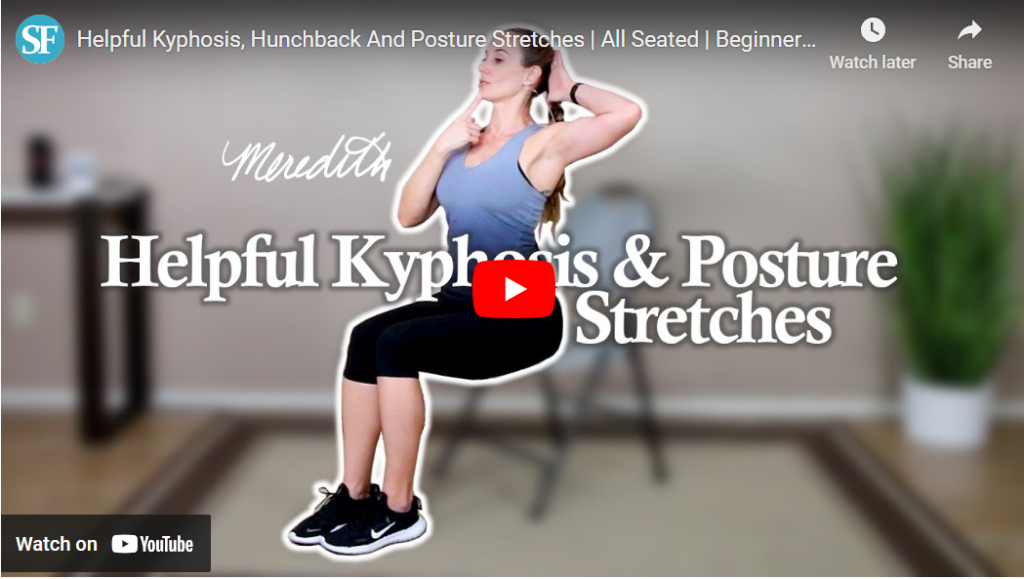
Poor form or alignment can put unnecessary strain on your joints, causing pain and discomfort. Always consider working with a certified trainer or physical therapist who can help you learn proper form and alignment for each exercise you do! We often think of posture as something we have when we’re stationary. However, there are actually two types of posture: dynamic (how you hold yourself when you’re moving) and static (how you hold yourself when you’re still). You should aim for good posture, whether you’re walking down the street or sitting on the couch! When standing, make sure you stand straight and tall and pull your stomach in. Keep your head level and your shoulders back!
6. Warm Up

Before any exercise, it’s important to warm up properly. This helps to increase blood flow to the joints and muscles, which can reduce inflammation and joint stiffness. Start with 5-10 minutes of light aerobic exercises like walking, cycling, or arm circles. You can also gently march in place, do step outs, or heel touches! Then do some gentle stretching exercises that stretch the major muscle groups, focusing on the muscles that support the joints you’ll be working on during your exercise.
7. Rest & Recovery are Just as Important as Exercise

Rest and recovery are just as important as exercise, especially with arthritis. Active recovery allows your body to rest, heal, and repair itself between workouts. It increases blood circulation, which can remove waste products from your body and deliver nutrients that can help rebuild all your muscles. Therefore, it’s important to listen to your body and take rest days when needed. When you do exercise, focus on quality over quantity. It’s better to have shorter exercise sessions that are pain-free than to push through and risk injury. Also, ice and heat therapy can be effective in reducing inflammation and pain. Use ice after exercise sessions, and heat therapy can be done before or after exercise to help loosen up the muscles.
8. Invest in the Right Equipment

Don’t hesitate to invest in the right equipment to make your workouts more joint-friendly. Using the right stuff can make a world of difference. Be sure to purchase comfortable and supportive shoes that will help you move with ease. Also, consider incorporating weights, resistance bands, and balance balls into your exercise routine. These tools can help to strengthen your muscles, providing additional support for your joints. You can also get arthritis gloves, which can be worn night and day, including during your workouts!
9. Listen to Your Body

It’s important to listen to your body and make adjustments as needed. If you experience pain or discomfort during exercise, stop and rest or modify the exercise to make it more comfortable. Don’t push yourself too hard or ignore warning signs from your body.
Some signs you might be working out too much:
- Your body is too sore: A post-workout burn is a good thing. However, too much of a good thing is a bad thing, and that includes soreness. Excessive pain that lingers longer than two days is a sign you’ve pushed yourself far too hard. Don’t push yourself too much or too soon!
- You get sick a lot: Yep, it’s true. Getting sick a lot might actually indicate you’re pushing yourself way too hard in the gym! Overtraining can harm your immune system, leading to more frequent colds.
- You’re suffering from depression or anxiety: Exercise is a known mood booster. However, if you feel depressed or even anxious at the thought of hitting the gym, that might be a sign you’re pushing yourself way too hard. Don’t turn working out into a punishment or a chore. Take care of your body and treat it kindly, especially if you have arthritis.
- You get injured a lot: A workout-related injury or two is inevitable. However, if you frequently get an injury (or the same injury keeps happening), that might be a sign you’re pushing your body beyond its limits.
10. Consider Consulting with a Physical Therapist

A physical therapist can provide guidance regarding exercises that are ideal for your condition, help you keep proper form, and work with you to develop a routine that is most effective for you. They can also help identify any exercises that may be causing discomfort and suggest modifications that can help you exercise without pain.

Need More Help?

If you’re looking for more articles on exercise, then start here:
- Movement is Medicine: Why Mobility is So Important with Advancing Age
- Benefits of Cardio Exercises for Seniors
- Top 5 “Secrets” to Losing Weight and Keeping it Off for Seniors & Retirees
- The 5 Best Core Exercises You Should Be Doing
Image Credit: MoMo Productions / Getty Images | Shutterstock | Unsplash

Popular Articles About Arthritis, and Exercise and Active Lifestyle
Originally published May 08, 2025
Author(s):