10 Ways Hearing Loss Could Increase Dementia Risk in Seniors
My husband recently found out that he needs hearing aids. He’s in his 40s, and we certainly never expected him to experience hearing loss, especially at such a young age. Throughout our journey of discovery and consulting with his doctor, I’ve researched the implications of hearing loss. One aspect that often goes unnoticed is the connection between hearing loss and an increased risk of dementia in seniors.
My research has highlighted this link, emphasizing the importance of addressing hearing impairments sooner rather than later to maintain cognitive health. I’m glad we’re addressing my husband’s hearing loss early, and I hope it will decrease any associated risks of developing dementia as he ages. In this article, I’ll share some of the information I’ve found, including ten ways hearing loss can elevate the risk of dementia, supported by scientific studies.
1. Cognitive Load Increase

If you’ve ever spent time in a noisy room and tried to hold a conversation with someone, you know the challenges that presents. Now, imagine that for someone who is experiencing hearing loss. Their brain must work harder to interpret sounds, and the noisy environment makes it challenging to distinguish voices and hear each word of the conversation.
This increased cognitive load can divert resources from other mental processes, potentially leading to cognitive decline. A study by Johns Hopkins Medicine supports this. It tracked 639 adults for 12 years and found that individuals with mild hearing loss were twice as likely to develop dementia. That risk tripled for those experiencing moderate hearing loss and quintupled when severe impairment was present.
2. Social Isolation

When it’s difficult to maintain attention while having a conversation, it’s tough to spend time with other people. Hearing loss creates a challenging situation when it comes to hearing the other person and actively participating in a conversation. That leads many to withdraw from social interactions.
Consistent isolation reduces opportunities for mental stimulation, and that can increase the risk of developing signs of dementia. The Alzheimer’s Society notes that maintaining relationships and finding opportunities for social interaction helps us to build a cognitive reserve, which can protect against dementia. Social interactions are also linked to healthy lifestyle choices, like maintaining an exercise program, which reduces the risk of developing dementia.
3. Brain Structure Changes

Scientists are continuing to study whether hearing loss causes changes to the brain. One area that is particularly noted in research is the temporal lobe, which is responsible for language and memory, and may be smaller in a person who is experiencing hearing loss. It is believed that these areas might shrink due to a lack of stimulation, affecting overall brain function. A shrinking temporal lobe is potentially linked to cognitive decline and dementia.
Healthcare providers can test the health of the temporal lobe using various diagnostic tests, including blood tests, cerebrospinal fluid tests, MRIs, and CT scans. If you have experienced hearing loss or believe you may be experiencing early signs of memory loss, consider requesting an evaluation from your physician. To protect your temporal lobes’ health, the Cleveland Clinic recommends getting enough sleep, engaging in mentally stimulating activities, and using your hearing aids if you need them.
4. Reduced Physical Activity

Group exercise classes are noisy environments. Outdoor walks sometimes make it difficult to hold a conversation while also enjoying the many sounds of nature. Difficulty hearing can make these environments more challenging to spend time in and deter individuals from participating in related group activities due to safety concerns or communication barriers.
When you or your loved one stops engaging in group activities, it can limit your options for physical activity. Leading a sedentary lifestyle is a known risk factor for dementia, as regular exercise promotes healthy circulation, increases social engagements, reduces the risks associated with isolation, and is linked to improved brain health.
5. Depression and Anxiety

Not being able to hear in social situations is frustrating. Whether it’s having a difficult time participating in a conversation, listening to the waiter talk about the special of the day, or following along during a movie or group activity, everyday activities become less appealing, and it’s easy to just give up.
This frustration and isolation stemming from hearing loss can lead to depression and anxiety. These mental health conditions have been linked to an increased risk of cognitive decline and dementia. One way to mitigate these risks is by talking to your doctor and finding a strategy for addressing hearing loss.
6. One-on-One Communication Challenges

Even one-on-one conversations can be difficult for a person with hearing loss. Trying to talk to someone from another room, talking while the television is on, or following a conversation when a person is speaking quickly or you can’t see their face all pose challenges. Effective communication is vital for maintaining relationships and preventing a person from feeling isolated.
When hearing loss hinders communication, it sometimes leads to reduced cognitive engagement and a higher risk of dementia. Ensuring proper hearing makes it easier to maintain these essential relationships that positively impact sensory stimulation and brain health.
7. Restless Sleep and Insomnia

A good night’s rest is essential for cognitive health, but hearing impairments can make it difficult to get enough sleep every night. Working hard to listen to everyday sounds, all day long, can contribute to cognitive fatigue. This fatigue sometimes makes it difficult to fall and stay asleep. People with hearing loss might also worry that they’ll miss hearing their alarm or a safety feature in their home, like a smoke alarm. Constant worry makes sleep restless and less restorative.
Chronic sleep issues have been linked to cognitive decline and dementia. In particular, WebMD notes that research indicates people who experience obstructive sleep apnea or insomnia might experience brain changes related to Alzheimer’s disease. Addressing hearing loss may improve sleep patterns and reduce this risk.
8. Increased Risk of Falls
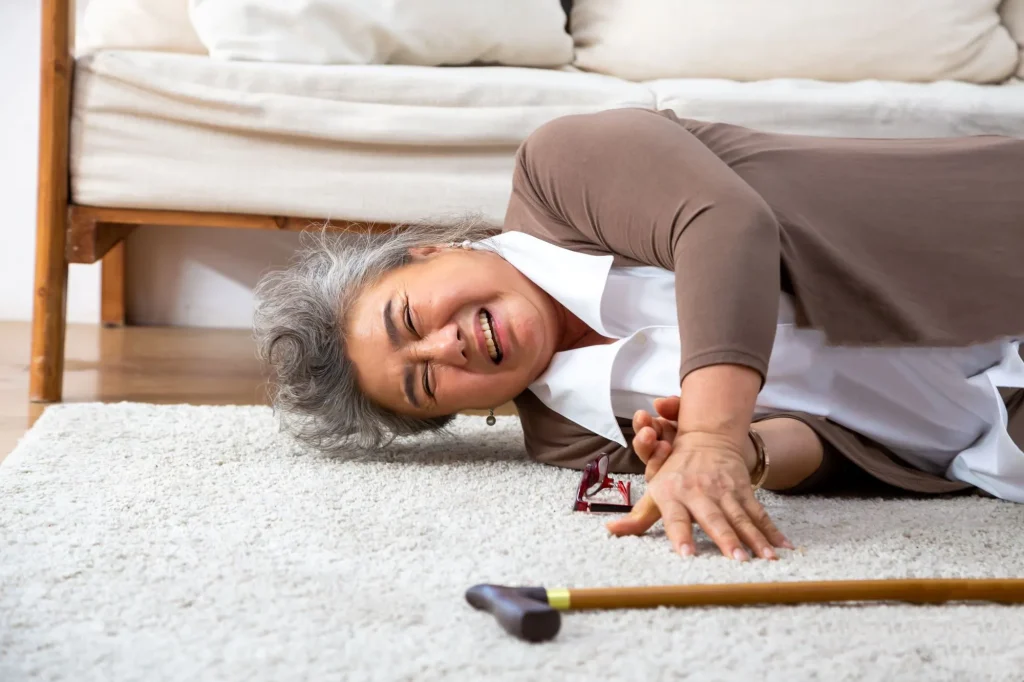
It’s more difficult to remain aware of your surroundings when you’re experiencing hearing loss, and this can lead to a slip or fall. Additionally, hearing loss can negatively impact spatial awareness, making it challenging to recognize where your body is in relation to other objects in the environment. This, too, increases your risk of falling. Finally, trying to hear when hearing is compromised requires the use of a lot of brain power, and this leaves less brain power available to focus on balance and gait.
Maintaining good hearing or using hearing aids if hearing is impaired can help with spatial awareness and balance, reducing the likelihood of slips and falls.
9. Missed Signs of Cognitive Decline

If a loved one is experiencing hearing loss, it’s sometimes easy to blame everything on that deficit. For example, if the senior asks you to repeat yourself or frequently repeats themself, it’s hearing loss. If they’re forgetful, it’s hearing loss. You get the idea. While the problem might be hearing loss, these are also sometimes early signs of dementia or other health concerns. So, hearing loss masks those early signs of health concerns, including cognitive decline, leading to delayed diagnosis and intervention.
Early detection of dementia means more resources are available to the patient. In some cases, waiting to see a doctor could mean missing an opportunity to reverse certain health conditions that are causing memory loss. In other cases, waiting could mean missed opportunities for medications and therapies that can delay the progression of a disease like Alzheimer’s. Establishing a relationship with an audiologist also opens up avenues for receiving support and information that can make it easier to understand and adapt to hearing loss and not confuse it with signs of dementia.
10. Underutilization of Hearing Aids
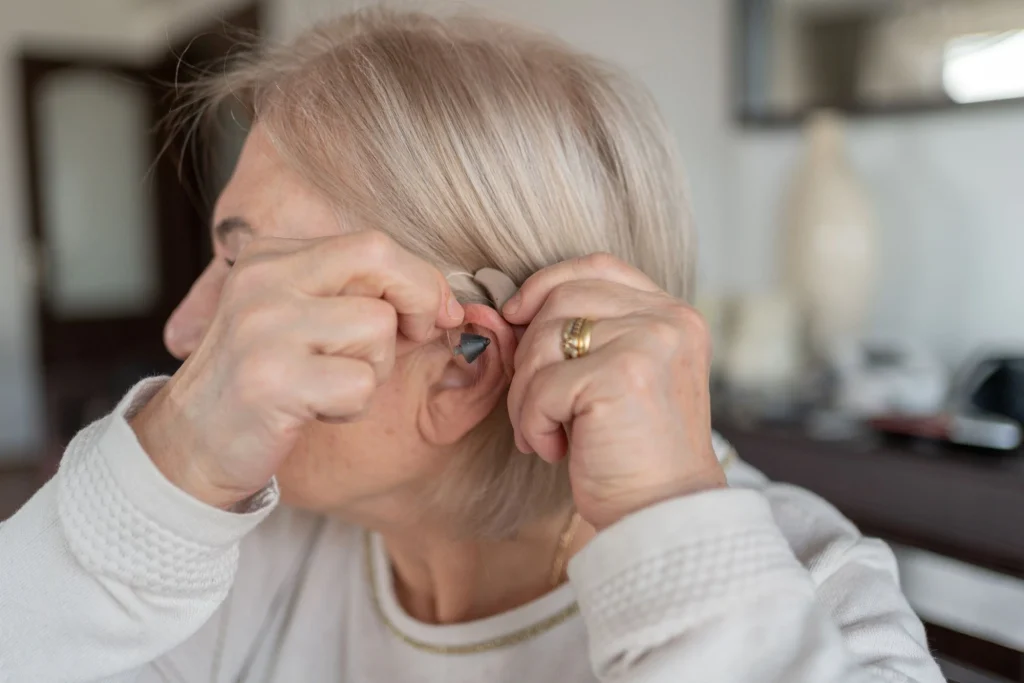
Many of the issues mentioned here can be addressed, at least in part, through the use of hearing aids. These small devices are typically easy to wear and adjust to different environments. Despite their many benefits, people with hearing loss are sometimes reluctant to purchase and use hearing aids. Making that choice means missing out on improved communication and cognitive stimulation.
Getting hearing aids felt a little awkward for my husband, but it has improved his quality of life. This device has made communicating, going out in public, and participating in everyday tasks easier and more enjoyable. The proper use of hearing aids throughout the day has also helped him to rest easier at night. While he isn’t exhibiting signs of dementia, if he ever does, we won’t be so quick to write those signs off as progressing and irreversible hearing loss. For all of these reasons, I’m glad he was proactive in addressing his hearing loss early.
More Health & Wellness Resources
While hearing loss is not the sole cause of cognitive decline or dementia, it is noted in research as a contributing factor. Regular hearing assessments from a qualified audiologist can detect signs of hearing loss early and empower you to work with your doctor to follow a prescribed treatment plan. This enhances quality of life and supports cognitive health. By staying proactive, you can take significant strides in maintaining memory health and well-being through every stage of the aging process.
Visit our Health & Wellness Blog for more great articles like this one!
Image Credit: Photographer, Basak Gurbuz Derman @ Getty Images | Shutterstock | SDI Productions @ Getty Images

Popular Articles About Hearing, and Alzheimer's and Dementia
Originally published April 08, 2025
Author(s):