The Truth About Age-Related Hearing Loss

Age-related hearing loss—or presbycusis—affects the lives of over 35 million Americans. Many individuals with hearing loss choose to simply grin and bear it. However, quality of life does not have to deteriorate with hearing loss.
The Causes Of Hearing Loss
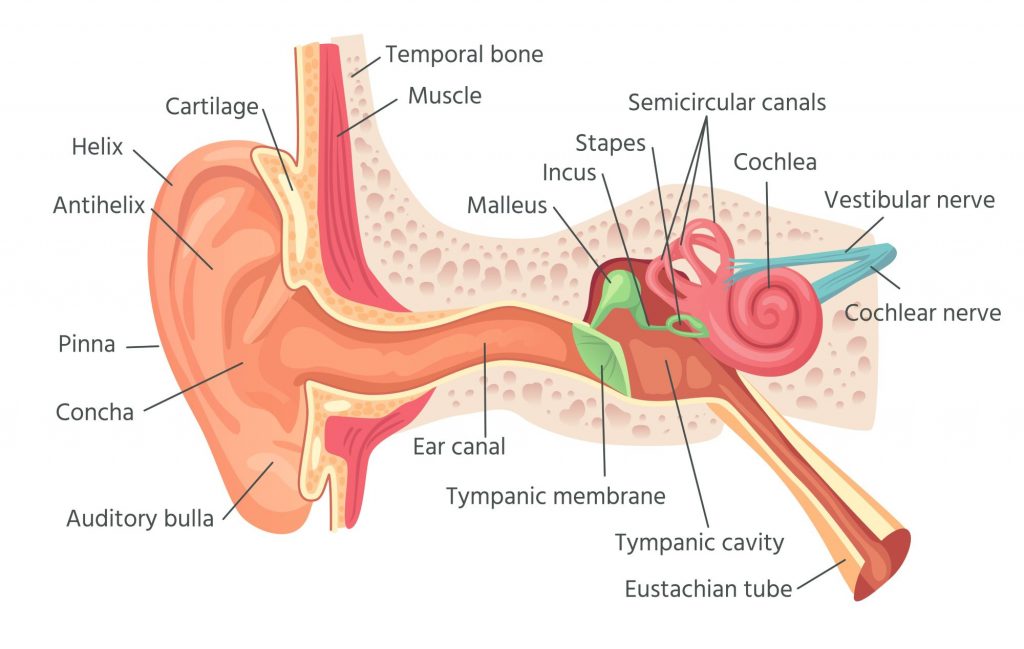
Tiny, hair-like cells that reside within the inner ear aid our ability to hear. These cells are tasked with capturing soundwaves in a wide spectrum of frequencies. As we grow older, these hair-like cells can deteriorate, die, or become damaged. The result is a diminished ability to capture certain frequencies.
Age-related hearing loss starts in a person’s 40s. Oftentimes, it becomes more apparent as we reach our 60s. The inner ear is unable to regrow these hair cells naturally, resulting in hearing loss of various degrees. The “degree” (measured in decibels versus normal hearing) will differ from one person to the next. Some of the causes of hearing loss include:
- Health conditions such as diabetes or high blood pressure
- Viruses and bacteria (such as certain ear infections)
- Family history
- Certain medications
- A punctured ear dream
- Exposure to loud noise over the years
Free Online Hearing Tests You Can Take at Home
Signs Of Age-Related Hearing Loss
Age-related hearing loss usually affects both ears to a similar degree. However, because the process is gradual, it can be tricky to notice the difference. Many people suffering from hearing loss say it’s difficult to distinguish high-frequency sounds. Conversely, as hearing loss develops, it may become difficult to hear sounds at lower pitches. Some other symptoms of hearing loss include:
- Speech sounds muffled or slurred
- Difficulty following conversations
- You are able to distinguish men’s voices more easily than women’s (according to John Hopkins)
- Increasing difficulty hearing in noise environments
- High-pitched sounds, such as “S” or “Th”, are hard to distinguish from one another
- Certain sounds seem overly loud or even painful
Read Next: How to Buy Over-the-Counter Hearing Aids
Managing Hearing Loss
As with any medical condition, a health provider should provide a medical diagnosis. In the case of hearing loss, the patient will undergo a hearing test. The test may include a speech-in-noise check that uses different types of background noise.
Hearing tests may be available at your local hearing center. Your family doctor may be able to provide a simple hearing test. Once medical professionals determine the precise cause and level of hearing loss, they’ll offer several ways to manage your condition.
Read Next: Top Smartphones for Tech-Shy Seniors
Hearing aids—a group of microcomputers that fit inside or outside the wearer’s ear—may help you manage your hearing loss. Of course, there are other devices designed to aid those with hearing loss. These may include amplified phones (as well as cell phones), amplified alarms, and even devices that can amplify the sound of a TV. Using a number of aids, each with different functions, may yield the best results.
Need something else?
Whether it’s time for a change, or you’re just doing some research, we can help! At SeniorResource.com, we believe in the empowerment of older adults and their caregivers through knowledge. But, we also understand that at this juncture of life, time is your most valuable asset. So, why waste it doing another internet search? Senior Resource is your one-stop spot for all things retirement. We do the work and find all the facts, just so you don’t have to!
SeniorResource.com exists to provide aging adults, retirees, and caregivers with applicable, and educational content, relevant to the over-55 community. As such, we address topics like senior housing, nursing care, and aging-in-place.
Looking for more great articles? Then start here!

Popular Articles About Hearing
Originally published September 17, 2025
Author(s):