12 Things You Can Do To Help Effectively Manage Arthritis Pain

Arthritis isn’t usually a disease that we think of young people having. However, I was diagnosed with juvenile arthritis when I was just two years old. I’m happy to say that my arthritis is pretty well-controlled now, but it took a lot of trial and error with different treatments to reach this point.
Now, in addition to my own arthritis that I still have to manage, both my mother and grandmother have been diagnosed with it as well. I’ve seen the effect this disease can have on people of all ages.
I know that arthritis can be incredibly painful and really take a toll on your body. When you’re in that kind of pain, you’re desperate for relief and willing to try anything to find it. It’s easy to feel limited in your options for treatment as your pain makes relief feel impossible, but there are multiple possible paths you can take to relief.
There are so many things you can do to help manage the uncomfortable, and sometimes debilitating, pain that comes with arthritis. Here are a few tips to help you get started.
1. Take anti-inflammatory medications.

Arthritis causes inflammation of the joints in your body. Because of this, it’s helpful to take medicines that work to reduce that inflammation. There are great over-the-counter options for this, like ibuprofen. If your doctor thinks a prescription-strength medication would be more helpful, they may prescribe something like naproxen or meloxicam. I’ve tried all of these medicines at different points in my arthritis journey and found them all to be very helpful.
2. Try using heat or ice.
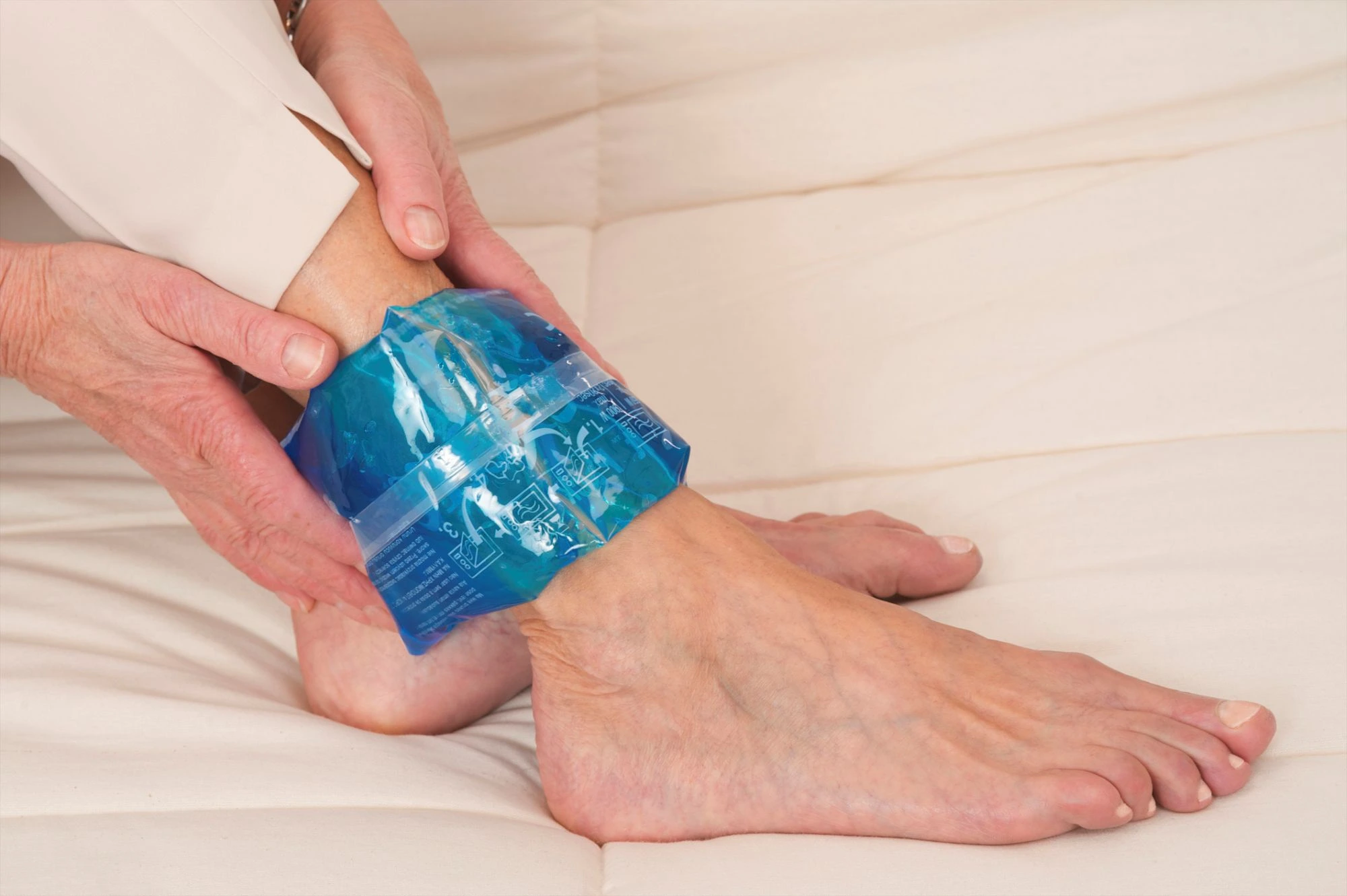
Applying either heat or ice to sore, swollen joints can provide some much-needed relief. Many people with arthritis say they prefer using ice since it works to minimize inflammation in the body, but heat can also be helpful. Try to always have a heating pad and ice pack on hand, or something similar that can be heated up or frozen and then applied to the joints. Just be careful about that heat or ice making direct contact with your skin — be sure to wrap up whatever you’re using.
3. Apply a topical cream.

Voltaren is probably the most well-known topical cream that can be used to treat arthritis. You can rub this onto aching joints to get some relief from the pain. Voltaren used to only be available by prescription, but can now be purchased over-the-counter, no prescription needed. There may be other topical options that your doctor will recommend instead of or in addition to Voltaren, though. And it’s always best to follow your doctor’s advice.
4. Wear a splint or brace.

Sometimes what your joints need is a little extra support. A splint or brace can be the perfect way to provide this. You can find splints and braces at your local drugstore for a variety of joints, like knees and wrists. Or, if you need something more heavy-duty, your doctor can place a special order for you to receive something from a medical supply company.
I know wearing a splint or brace is not anyone’s favorite thing to do. It can take some getting used to, and you might also feel self-conscious when you first start wearing them. I know I did. But with time, you’ll get used to them and realize that they are there to help you, and there’s nothing to be embarrassed about when it comes to that.
5. Soak in the tub.
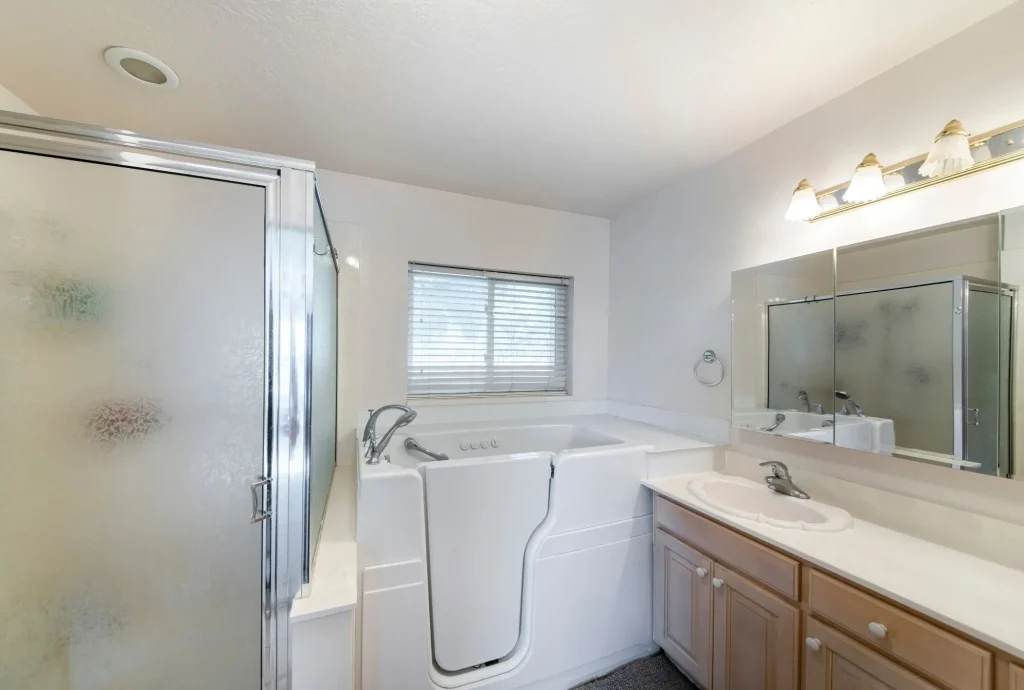
Similar to using a heating pad or ice pack, you can take a good soak in the tub to help relieve any arthritis pain you’re experiencing. Unless you’re accustomed to ice baths— I’m definitely not! —you’ll likely want to stick to warm water for this. Taking some time out of your day to sit in warm water can do amazing things for your joints. Or, if you’re trying to target a more specific joint, like your ankle or fingers, you can fill a large bowl or pot with warm water and just soak the particular joint there. It will work wonders.
6. Engage in some gentle movement.

When you’re in pain, moving around sounds like the absolute last thing you want to do. After all, wouldn’t that worsen your pain? Unfortunately, in some cases, it can. But, when done right, gentle movement and exercise can really help with arthritis pain. Doing some light stretching or taking a walk keeps your joints active and in motion, which is good for them and helps fight those arthritis symptoms. You just want to be careful and make sure you’re not working any harder than you should. If you’re not sure where to start, it’s a good idea to consult with your doctor, or even a physical therapist, to determine what kind of movement is best for your body.
7. Invest in good shoes.

Your footwear may seem small and inconsequential, but it can have a huge effect on your health and well-being. If you’re struggling with pain in joints in your lower body, wearing the right shoes is extremely important. You’ll want to look for a pair that is comfortable and supportive. The most important thing to remember is not to choose style over function. Oftentimes the cutest shoes are the least supportive and the worst for your joints. Based on the specific form of arthritis you have and the joints that are causing you pain, your doctor may be able to make a recommendation for a good pair of shoes, or at least point you in the right direction.
8. Get a steroid injection.

Steroid injections are one of the least fun aspects of having arthritis, but if you’re in severe pain, they’re worth it. Your doctor can inject a steroid directly into your joint. This can be uncomfortable and nerve-wracking, especially if you have a fear of needles. But the relief it brings is truly second to none. Depending on your situation, your doctor may also choose to drain some excess fluid off of a swollen joint at the same time they inject a steroid. Taking oral steroids is also an option for less severe cases.
9. Try acupuncture.
Some people may be hesitant to try alternative Eastern medicine practices, but acupuncture has gained a lot of acceptance in the Western world as a legitimate medical treatment. Research shows that acupuncture needles lead to a release of endorphins and enkephalins, which help to soothe pain. There are few studies that point to whether or not acupuncture is actually effective for arthritis relief, but anecdotal evidence suggests it’s worth trying. See if your doctor can recommend a reputable acupuncturist whom they feel comfortable sending you to.
10. Sit in meditation.

When you’re in pain, sitting in stillness and clearing your mind may not only sound unappealing, but perhaps even impossible. How are you supposed to focus on anything other than the pain? But trying to do so can be very beneficial. The most important step to cultivating a meditation practice is sticking with it, experts say. Trying out different forms of meditation can help you find the method that’s best for you. While it takes consistency and time to get used to meditation, and it’s an ongoing process you have to keep working at, training your brain to focus on something other than your pain can be incredibly helpful.
11. Maintain a healthy weight.

Excess weight can put pressure on joints, causing further pain and joint damage. This doesn’t mean you have to slim down an outrageous amount. Research shows that even just a 5% weight loss can have a huge impact on your arthritis pain and overall health. Additionally, staying on top of your weight can ensure your symptoms progress more slowly, leading to less pain in the future. While eating healthy and staying active is rarely anyone’s idea of a good time, the benefits will definitely be worth it.
12. Get a nerve block.
A lot of people feel like getting a nerve block is too invasive. But, if you’re in a lot of pain, isn’t it worth considering? From having an anesthetic injected to using frozen needles to damage the nerves that send pain signals, there are multiple different types of nerve blocks you can have done. All of these are performed under the supervision of a doctor and an accompanying medical team. Although they may sound intimidating, they are completely safe and routine. Your doctor will know what the best approach is for you and be able to guide you through the process.
Finding the Right Arthritis Pain Relief For You

Living with arthritis is not easy. The disease can cause a lot of pain that affects you both physically and psychologically. The unfortunate truth is that not every treatment will be effective for every person. Just like in my journey, it will take trial and error to discover what is most helpful for you. But, by giving some of these tips a try, you’ll be well on your way to finding some much-needed pain relief.
Image Credit: BSIP @ Getty Images | Ekaterina Vasileva-Bagler @ Getty Images | SDI Productions @ Getty Images | https://www.shutterstock.com/g/dropthepress | Unsplash

Popular Articles About Arthritis
Originally published April 11, 2025
Author(s):