13 Things That Cause Joint Pain After 50 (and Things You Can Do That Help)

Joint pain was never really top of mind for me—and then I turned 50. It was like the switch of a light. One day, I felt strong and capable, and the next, I winced because my knees ached on the treadmill and my hips protested when I climbed the stairs. Sound familiar? If you’re reading this, perhaps you’ve experienced something similar.
I consulted with my doctor and a few online resources to dig into the causes of joint pain after 50 and discovered many different reasons why this was my experience. The good news? There are ways to manage and even prevent some joint pain. I want to share what I’ve learned and remedies I’ve found effective. Here are 13 common causes of joint pain after 50—and what we can do about them.
1. Osteoarthritis

The Centers for Disease Control (CDC) states that osteoarthritis (OA) is common among adults over the age of 45, and about 33 million US adults are living with it. OA is a sort of “wear and tear” arthritis that breaks down the joints and commonly affects the hands, knees, hips, and back. The cartilage that cushions our joints starts to break down, leading to stiffness, pain, and reduced mobility. If you’re over 50 and feel like your fingers are a little swollen in the morning or your back constantly aches, it might be due to OA.
What helps:
Participating in regular exercise, maintaining a healthy weight, and enjoying joint-supportive foods with omega-3 fatty acids and anti-inflammatory micronutrients makes a difference. Choose foods like salmon, Brussels sprouts, walnuts, and leafy greens to help slow the progression of OA and improve joint health and mobility.
2. Dietary Choices, Inflammation, and Joint Pain

I used to think inflammation was strictly related to injury or illness. However, I’ve more recently learned that chronic inflammation related to diet can make joint pain worse. Processed foods, sugar, and too many refined carbs can trigger inflammation. When inflammation is triggered, our joints sometimes become stiff and sore.
What helps:
Consuming less refined carbs, sweets, and processed foods and swapping them for anti-inflammatory options—like turmeric, ginger, berries, and olive oil—can make a difference in how I feel day to day. The process took a little time, but I began to notice results in about six weeks. Ginger and turmeric tea is now my go-to afternoon pick-me-up, and I make a point of replacing butter with olive oil in several of my favorite recipes.
3. The Impact of Hormonal Changes

More than 47 million women enter menopause worldwide annually. Among them, research has concluded that 70% will experience joint pain, and for 25%, that pain will be debilitating. This is believed to be related to the drop in estrogen, which can contribute to joint pain. Estradiol, the primary form of estrogen being produced during a woman’s reproductive years, has a protective effect on joints, so when levels decrease, inflammation and stiffness can increase.
What helps:
Exercising, staying active, and stretching fundamentally support joint health through menopause. Other options like hormone replacement therapy (HRT) and increasing levels of magnesium, Vitamin D, and omega-3 fatty acids can also help manage joint symptoms while a woman moves through menopause.
4. Joint Pain and a Sedentary Lifestyle

We’ll get to this in just a bit, but getting an adequate amount of sleep is beneficial for joint health. Getting too much rest is not. Maintaining too sedentary a lifestyle can cause plenty of aches and pains and make joint pain worse. Joints need movement to stay lubricated, and inactivity can increase stiffness.
What helps:
Gentle stretching, yoga, heading to the gym a couple of times a week, and taking daily walks have been game-changers for me. I also enjoy swimming in the warmer months. I’m not participating in activity for hours on end every day, but even a few minutes of stretching in the morning makes a significant difference.
5. Excess Weight Frequently Leads to Joint Pain
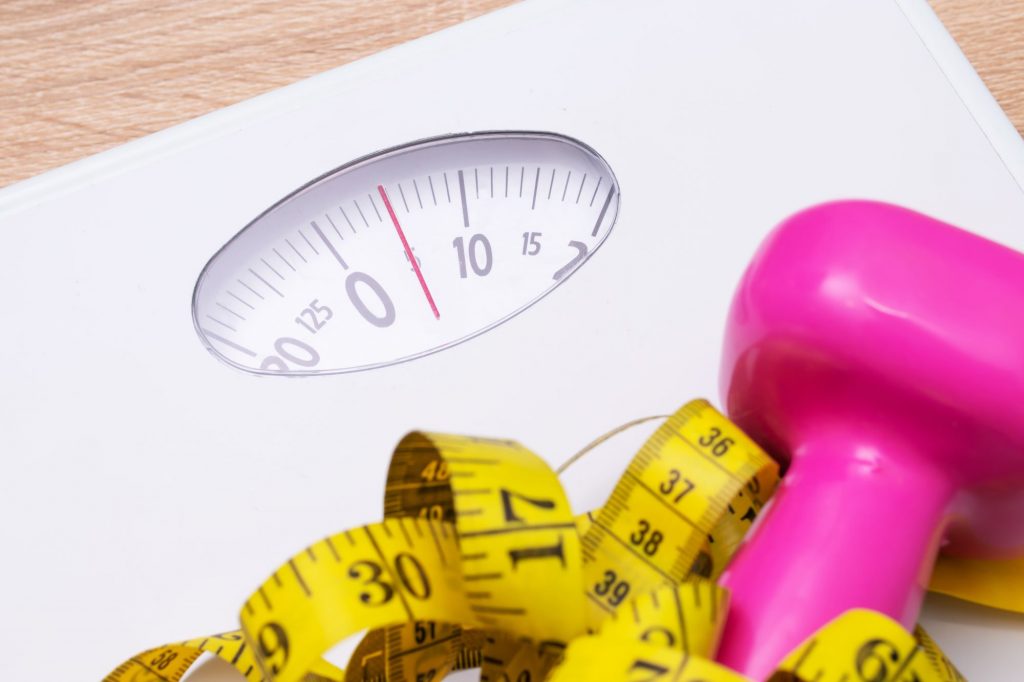
Weight is a delicate topic that many of us try to avoid, but it’s an important factor when it comes to joint health. Carrying extra pounds puts more pressure on the joints. This is often most noticeable in the knees and hips. Every pound of weight adds about four pounds of pressure on the knees, so it’s easy to see how reducing the number on the scale by even a little can lead to big improvements.
What helps:
Losing weight doesn’t have to involve making big changes. Even eating a vegetable with one to two meals a day, avoiding sweets two or three times a week, and adding in a half-hour evening walk can help you lose five pounds in time. If you are overweight, this weight loss can significantly reduce strain on your joints and improve your overall health.
6. Rheumatoid Arthritis and Joint Pain
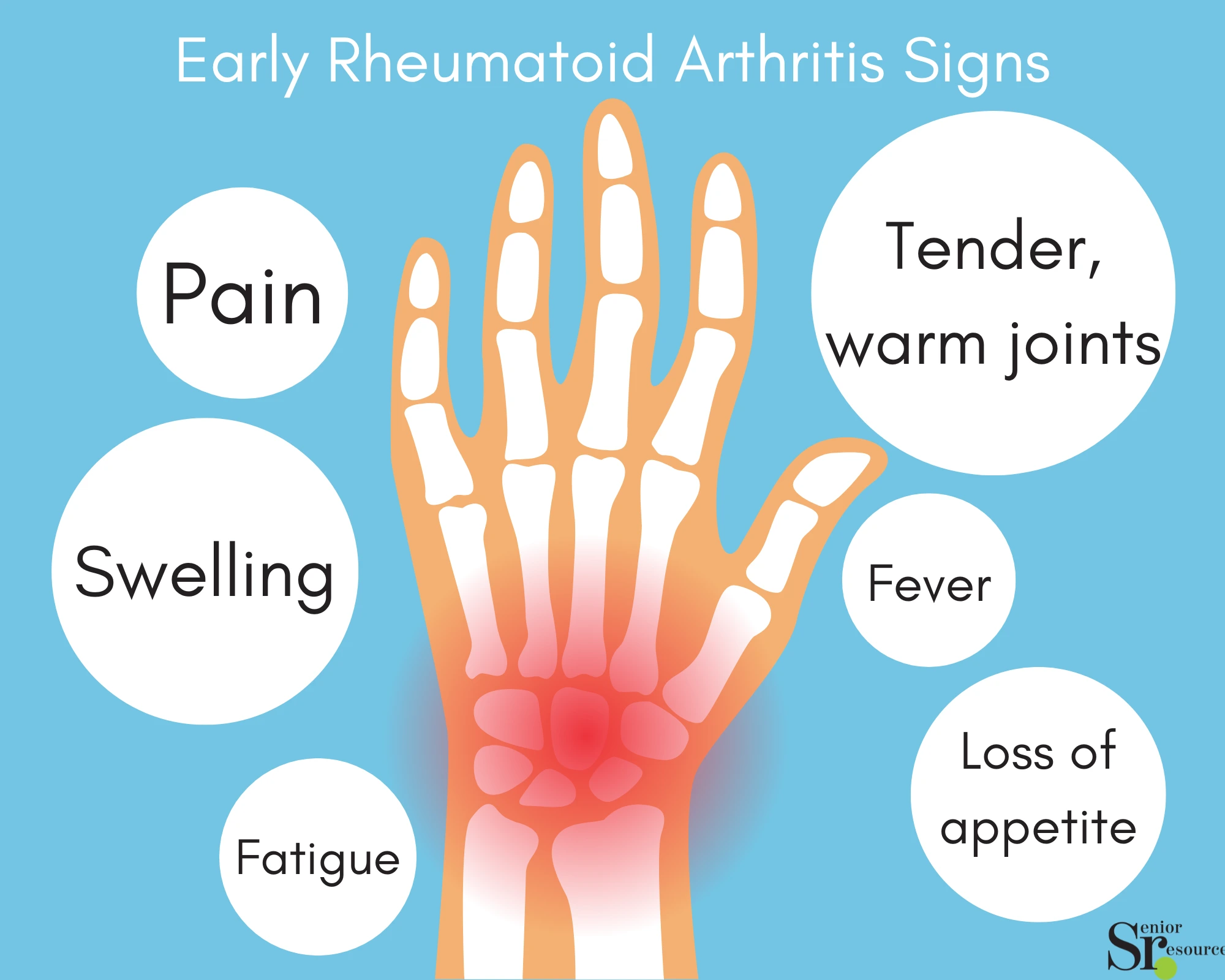
Instances of joint pain can occur long before we reach 50, and then age-related contributors make that pain worse as we get older. Conditions like rheumatoid arthritis (RA) can cause significant pain and swelling in the hands, feet, and other joints. It works like this: When our bodies are healthy, the immune system does its job to keep us healthy and attacks invaders like bacteria and viruses. However, a person with RA has an immune system that views joints as enemies and attacks them, leading to pain, stiffness, and soreness.
What helps:
Some medications and therapies can help you live with RA and continue to enjoy a higher quality of life. To take advantage of them, see a doctor for a diagnosis and related care plan. Make a point of doing this if you have persistent and difficult-to-resolve pain, swelling, or stiffness that doesn’t go away. Early diagnosis and treatment can prevent more permanent joint damage.
7. Old and Unresolved Injuries

I injured my knee years ago when I was a runner, and now that same knee gives me trouble when I try to run or tackle big hills too fast. Old injuries sometimes return as we age, and for me, that means these days, I’m better off jogging or power walking than running. Reduced bone density, changes in balance or coordination, and decreased muscle mass all play a part. As does an injury that was never fully resolved when it initially occurred.
What helps:
Strengthening the muscles around the affected joints, choosing and wearing supportive footwear, and avoiding that urge to push through pain can help you prevent those flare-ups from long-ago injuries and keep your body healthier. Weight training and cardiovascular work are important for maintaining health, but remember that rest days are important, too.
8. Dehydration and Aching Joints

I never realized how much a hydrated body benefits joint health until I started paying attention to my water bottle. Our joints need fluid to stay lubricated, and water helps to keep everything in our bodies better hydrated. Dehydration can lead to lethargy, stiffness, and an overall dull feeling in the body.
What helps:
Drink at least 64 ounces of water daily to keep your joints cushioned and flexible. A great way to do this is by keeping a water bottle with you at all times and sipping on it throughout the day. Also, choose water instead of soda or tea with meals, adding a little lemon for flavor.
9. Vitamin D Deficiencies
Vitamin D deficiency makes it difficult for our bodies to absorb enough calcium, increase inflammation, and slow healing. All of these things can lead to joint pain. Considering that the Cleveland Clinic has found nearly 35% of adults in the United States have a vitamin D deficiency, this is an important fact to make note of.
What helps:
Exposure to the sun helps your body to create vitamin D, but use caution to avoid long-term exposure without sunblock. Some foods are also rich in vitamin D, so consuming cod liver oil, egg yolks, and mushrooms can help. Supplements are sometimes recommended under a doctor’s advice.
10. Overuse or Repetitive Movements

Repetitive tasks such as typing, knitting, cutting, or cooking can put strain on certain joints over time. An example of this is how you can sometimes experience wrist pain from frequent typing or pain in your fingers from certain sewing tasks. While we can’t always avoid these tasks, we can recognize when pain is present and take breaks as necessary.
What helps:
Ergonomic tools, building stretching breaks into your routine, and sometimes, wearing a supportive brace can help prevent or reduce the instances of overuse injuries.
11. Poor Posture and Joint Pain
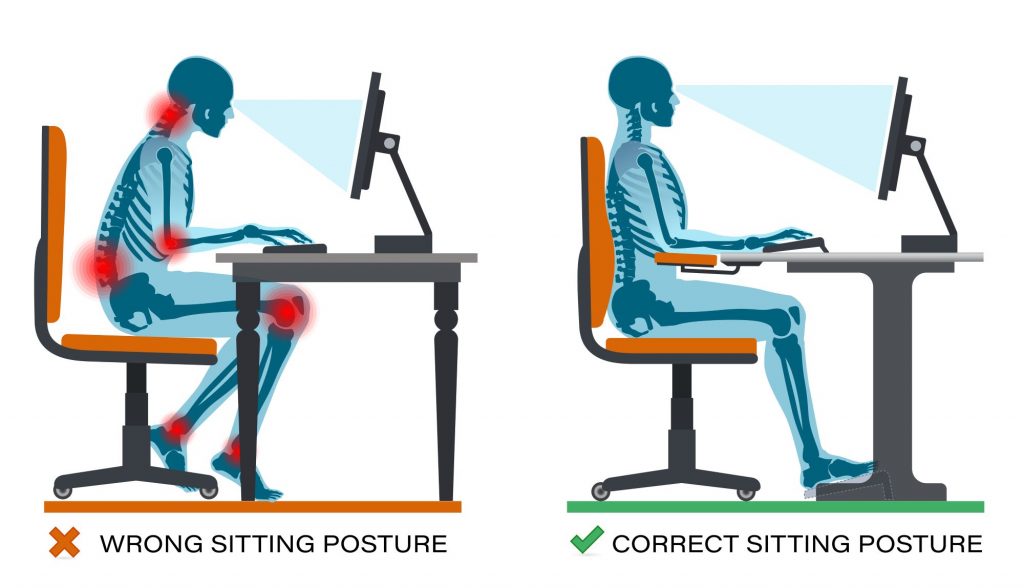
Slouching or sitting for too long can misalign our joints, leading to pain and discomfort. While it can feel a little more awkward to always sit up straight or walk with your shoulders back, it’s healthier for your body and can help protect your joints.
What helps:
Pay attention to your posture, whether you’re sitting or standing. Try using a supportive, ergonomic chair at your desk, or try a standing desk. Also, add some core-strengthening exercises to your routine. These can help maintain alignment and reduce strain on your joints.
12. Emotional and Mental Contributors to Joint Pain

Stress and anxiety certainly impact mood, but did you know they can impact your joints too? Stress increases inflammation in the body, causes you to slouch more, and can impact your desire to eat a healthy diet and exercise regularly. All of these things make joint pain worse.
What helps:
Try to minimize stress in your life by establishing a routine that promotes work-life balance. Incorporate relaxation techniques into your routine, and look for ways to de-stress—whether through meditation, reading, enjoying a warm bath, or laughing with friends.
13. The Importance of Sleep

My body always feels worse when I don’t get enough rest. Sleep plays a significant role in joint health, and repeated restless nights can make joint pain worse. We need sleep to restore balance in the body, reduce inflammation, promote healing, and balance hormones.
What helps:
Create a space that promotes good sleep hygiene so that you can rest easier at night. Turn off the screens, make the room temperature comfortable, and add a cozy blanket and pillow to your bed. Maintaining a routine where you go to bed and wake up at the same time every day can also help you to sleep easier.
Coping with Joint Pain After 50
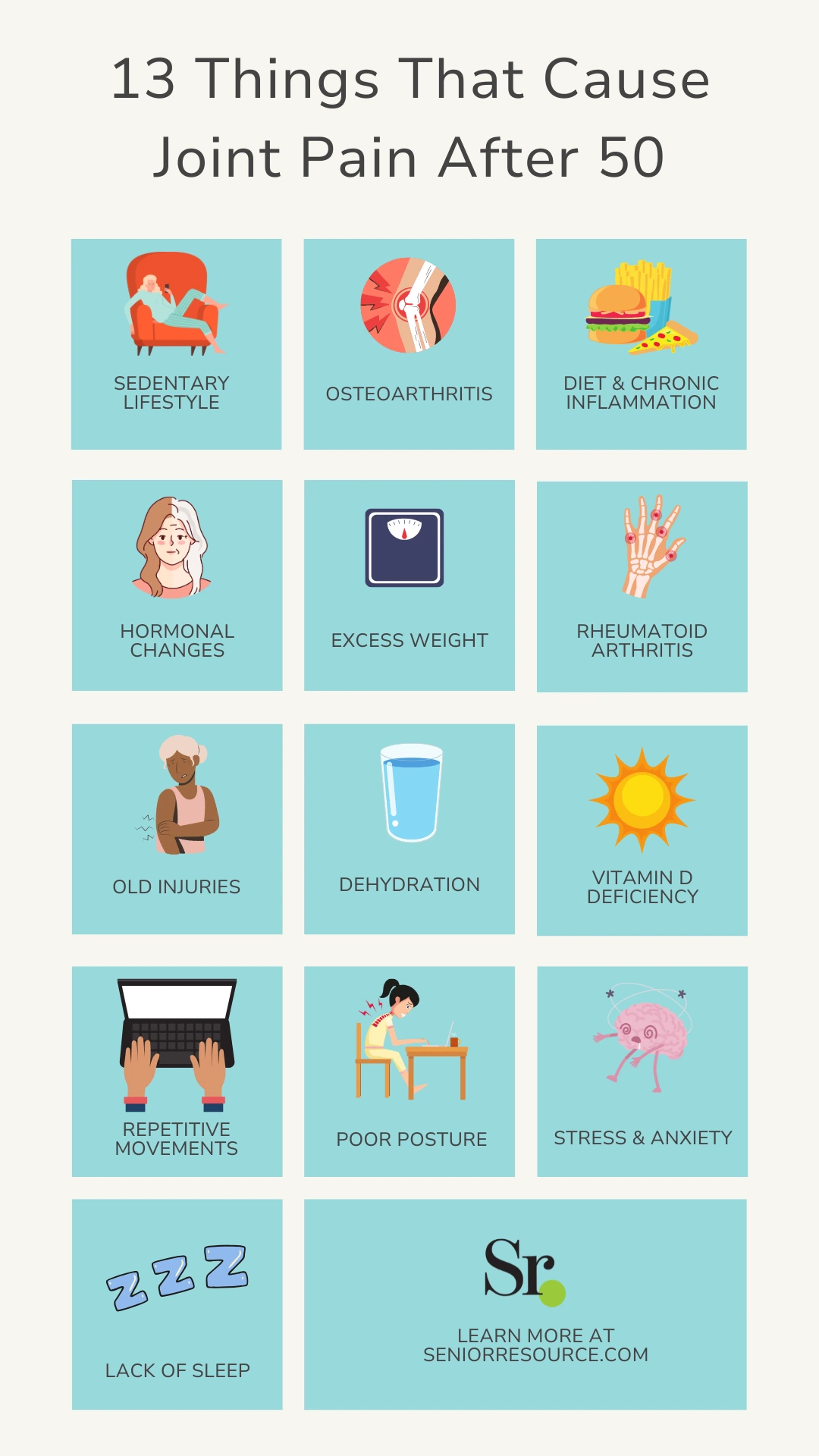
Coping with joint pain after 50 isn’t fun, but there are ways to manage and prevent it. The biggest lessons I’ve learned are to prioritize health and wellness and listen to my body. Movement, exercise, diet, hydration, and stress management all contribute to joint health when we manage them properly. Even a few small changes can make a big difference in your ability to move without experiencing pain. This results in you feeling empowered to enjoy life more.
Photos: Vladimir Vladimirov, Getty Images | Brett Jordan, Unsplash | Michael Heim, Shutterstock | Pexels

Popular Articles About Pain
Originally published March 25, 2025
Author(s):