Why Is It Harder to Sleep As You Age?
The body changes with age. Some changes that come with aging are sleeping difficulties, drastic changes in sleep patterns, and a lack of deep sleep. The elderly, especially those used to sleeping soundly throughout the night in their younger years, might struggle to feel well-rested. According to Medline Plus, older adults wake up an average of 3 to 4 times per night.
Some might feel that these slumber-related challenges are an inevitable part of growing older. However, your body still needs adequate sleep as you age. In fact, older adults still need seven to nine hours of sleep to stay healthy! If you and sleep haven’t had the best relationship lately, don’t panic. There are ways to prevent and even treat most slumber-related difficulties. But first, you need to figure out why you’re having trouble sleeping. Here are a few common reasons why older adults may struggle to get adequate shut-eye.
Health Conditions
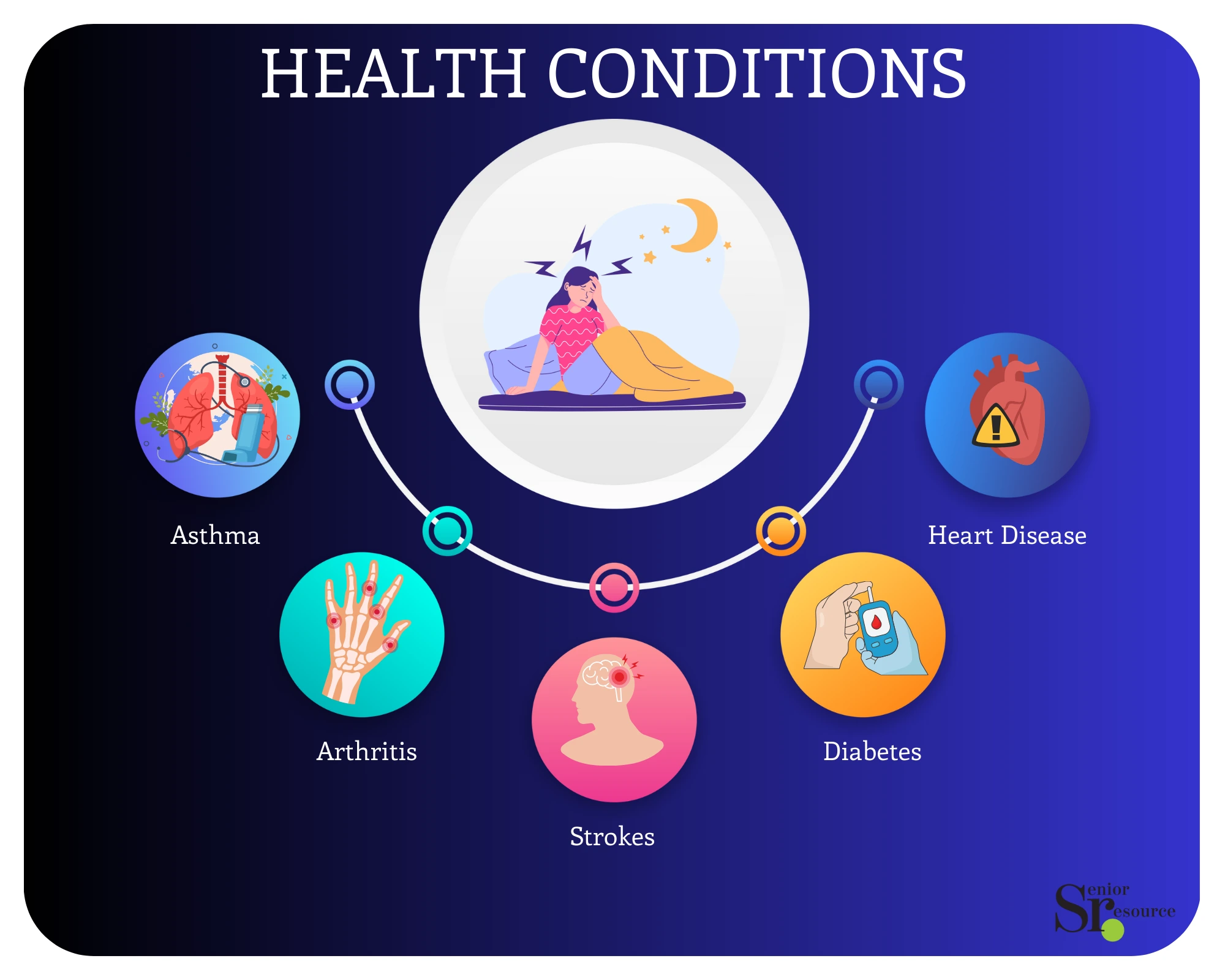
As the body ages, it tends to develop certain health conditions. Among the most common are asthma, arthritis, strokes, diabetes, and heart disease. These health conditions come with pain and discomfort, which can cause irregular sleep patterns. These pains can strike when you’re asleep or before your bedtime, and you might not be able to sleep until you manage them. Sadly, a lack of sleep can put you at risk for developing even more serious health conditions, including dementia, heart disease, obesity, and even cancer. Of course, it doesn’t affect just your physical health. People who have insomnia are at a much higher risk for depression than people who get a good night’s sleep.
Certain Medications

Although I’m not an older adult, I do recall taking a prescribed medication not too long ago and noticing that I found it harder to sleep. For some older people struggling to sleep, medication might play a similar role. Not all drugs do this, of course. But for some, sleep issues can be a side effect of both prescription and over-the-counter drugs. Consult with your healthcare provider and see if your medication could be causing your sleeplessness. Ask if there’s any way to change your dosage or even switch medications. For over-the-counter options, many cold meds, such as antihistamines, can cause jitteriness and anxiety, leading to insomnia. Certain pain medicines also contain caffeine, a common cause of sleeplessness. According to some studies, even multivitamins can reduce sleep quality! Therefore, always check the label on your medications. Taking your medicine earlier in the day may also prevent sleep issues later.
Frequent Urination
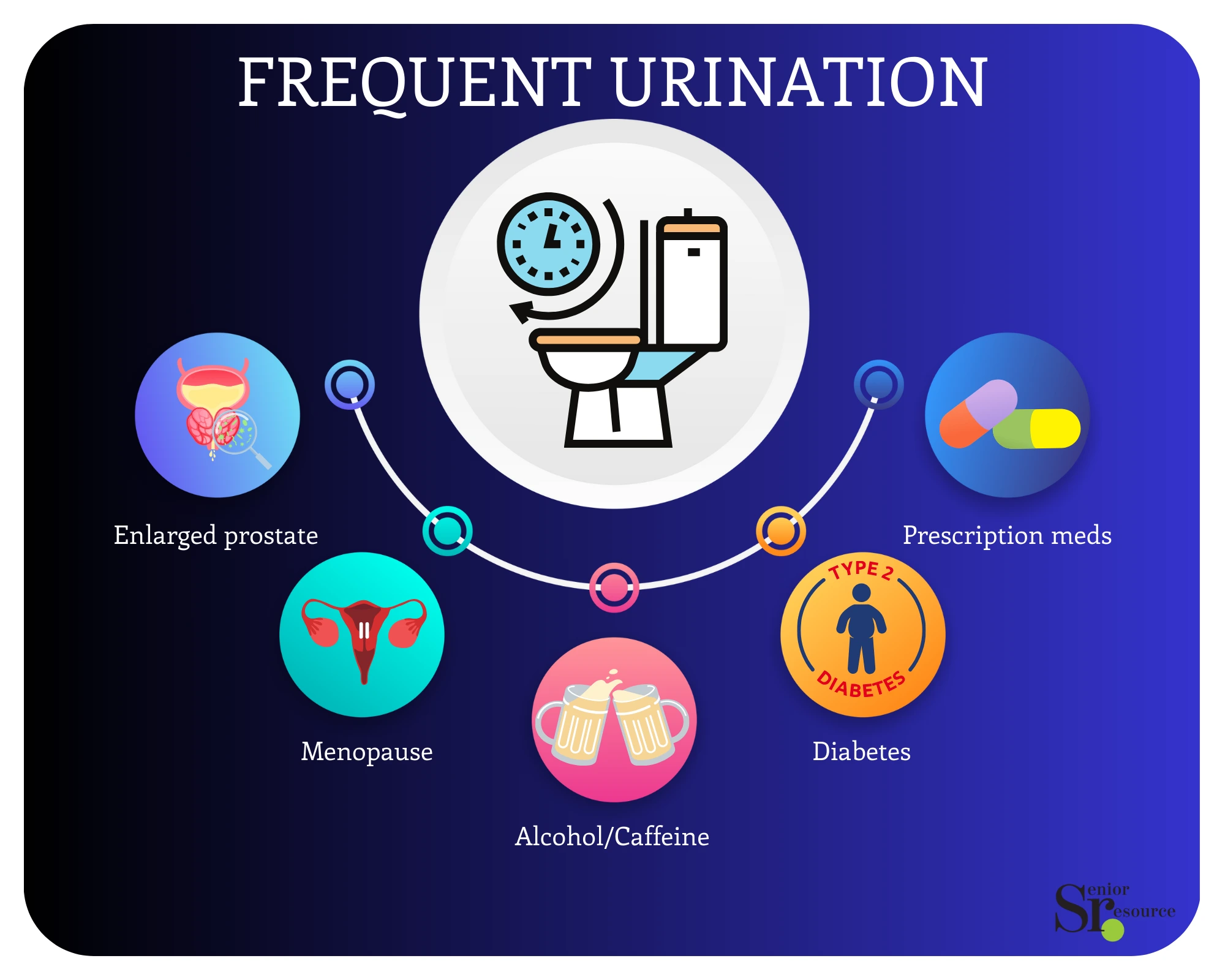
Yes, the urge to urinate every night can make sleeping a challenge! As you age, changes in your urinary system may force you to run to the bathroom, which can disturb your sleep cycle. If you notice that frequent urination keeps you up at night, there are a few different measures you can take. First, reduce the amount of water you drink a few hours before bedtime. Alcohol can actually make you pee more, as it’s a diuretic. Those who consume alcohol should limit their drinking to the afternoons and never imbibe at night. Additionally, other conditions, such as diabetes, can increase nighttime urination. Speak to your doctor and see what you can do about pre-existing conditions that might contribute to frequent urination.
Stress
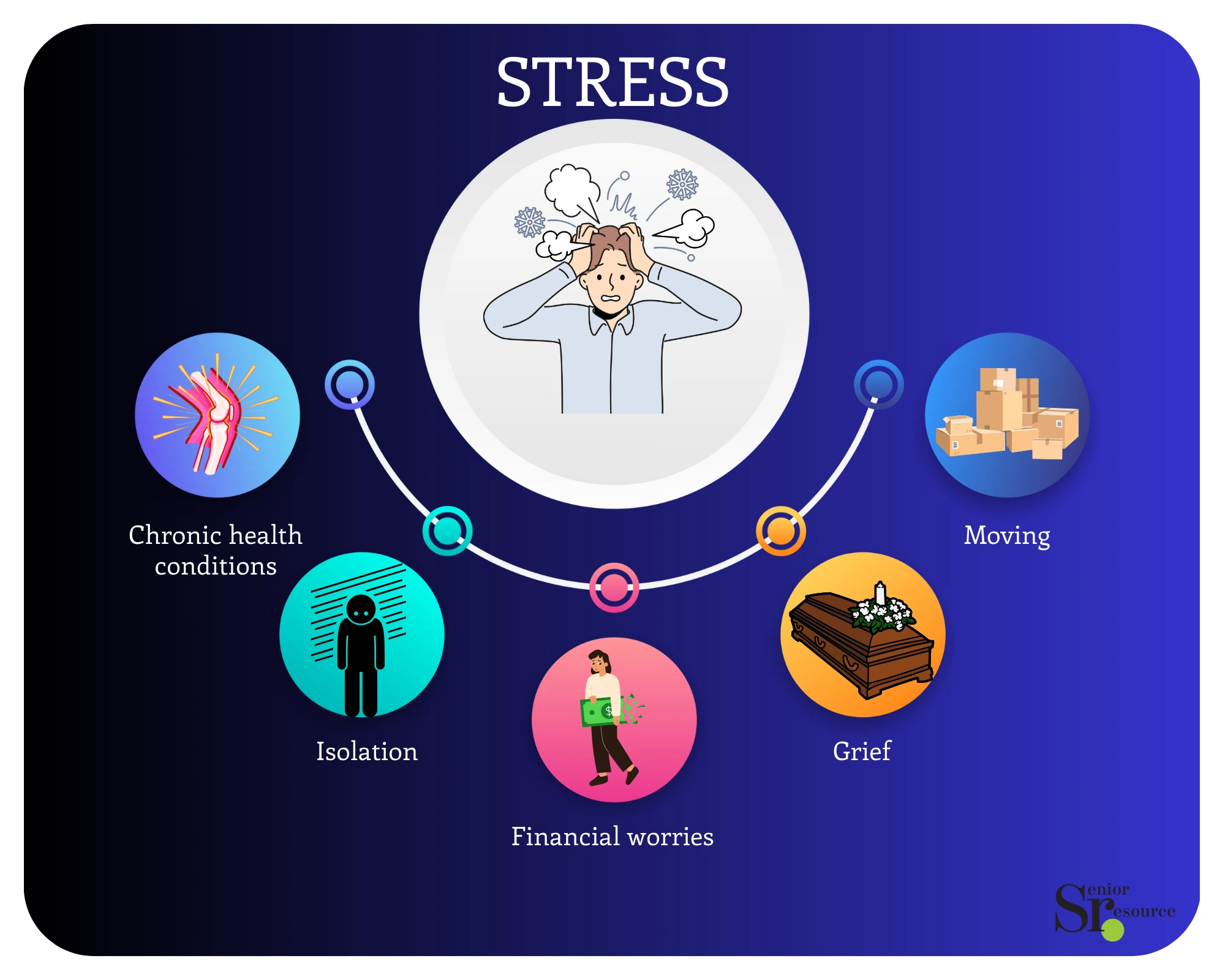
Gone are the days when working too much was the biggest cause of your stress. Other factors such as change of location, life after retirement, the death of a loved one or colleague, and your brand-new lifestyle can all contribute to stress. Understandably, these factors can take a toll on your body, making it hard to go to sleep and stay asleep. To reduce stress, engage in activities that lighten your mood. You can decide to play games alone or with a friend, learn a musical instrument, or try out new recipes. Exercising is another great way to blow off some steam. Make sure that you eat a healthy diet, full of fruits, vegetables, and whole grains! And, of course, don’t be afraid to reach out to a therapist if you need additional help. Don’t allow yourself to live in stress and lose sleep over it!
Sleep Disorders
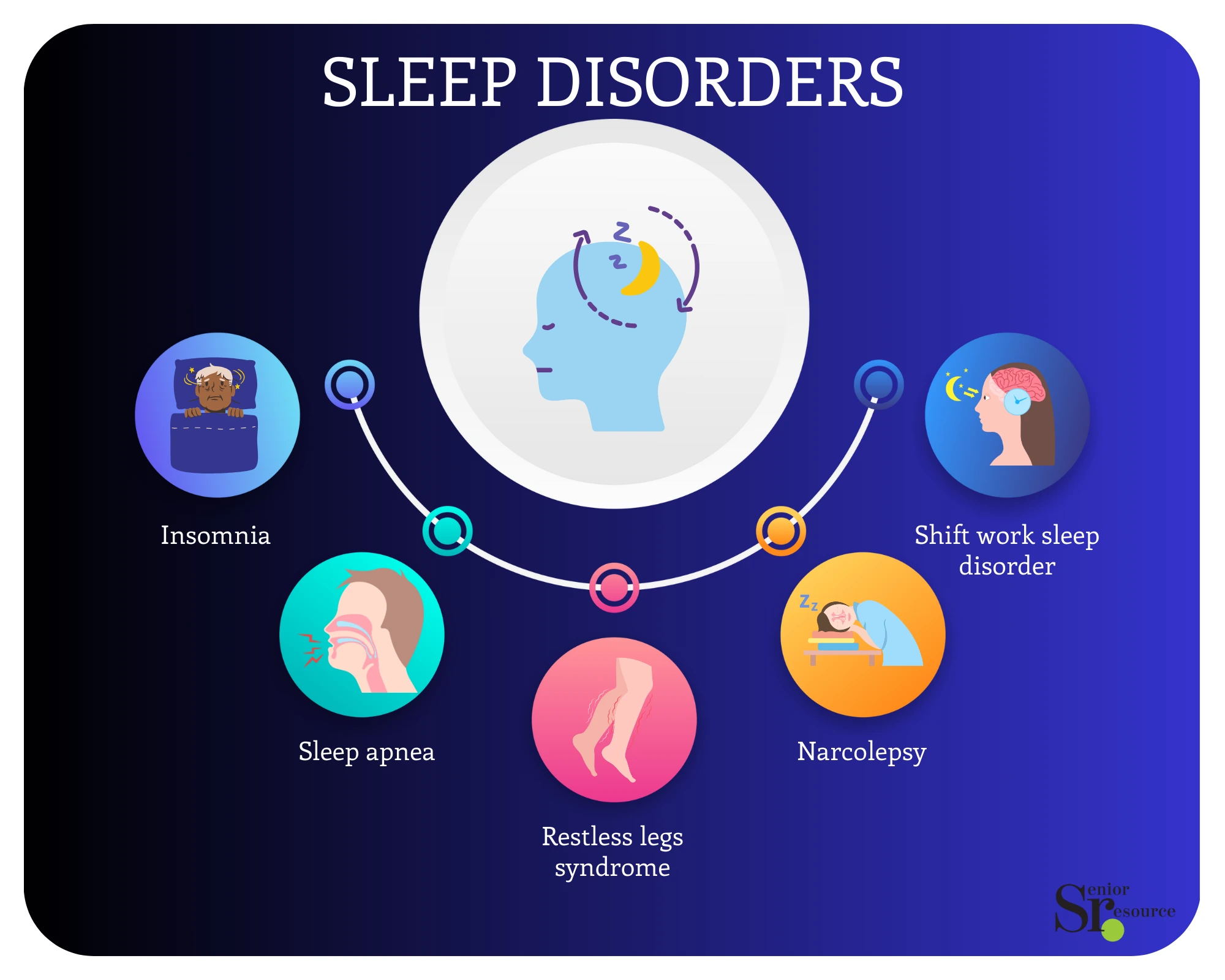
Sleep disorders like sleep apnea, restless leg syndrome, and insomnia can be other reasons you might be finding it hard to sleep. Many of these disorders bring about symptoms such as daytime drowsiness, periodic movement of the legs while sleeping, and difficulty staying asleep. Oftentimes, sufferers find themselves acting out their dreams physically, pushing an object with their hands, and kicking in their sleep. If you’ve been experiencing any of these symptoms, you might have more than mere sleep troubles. You might have a sleep disorder!
Lack of Physical Activity
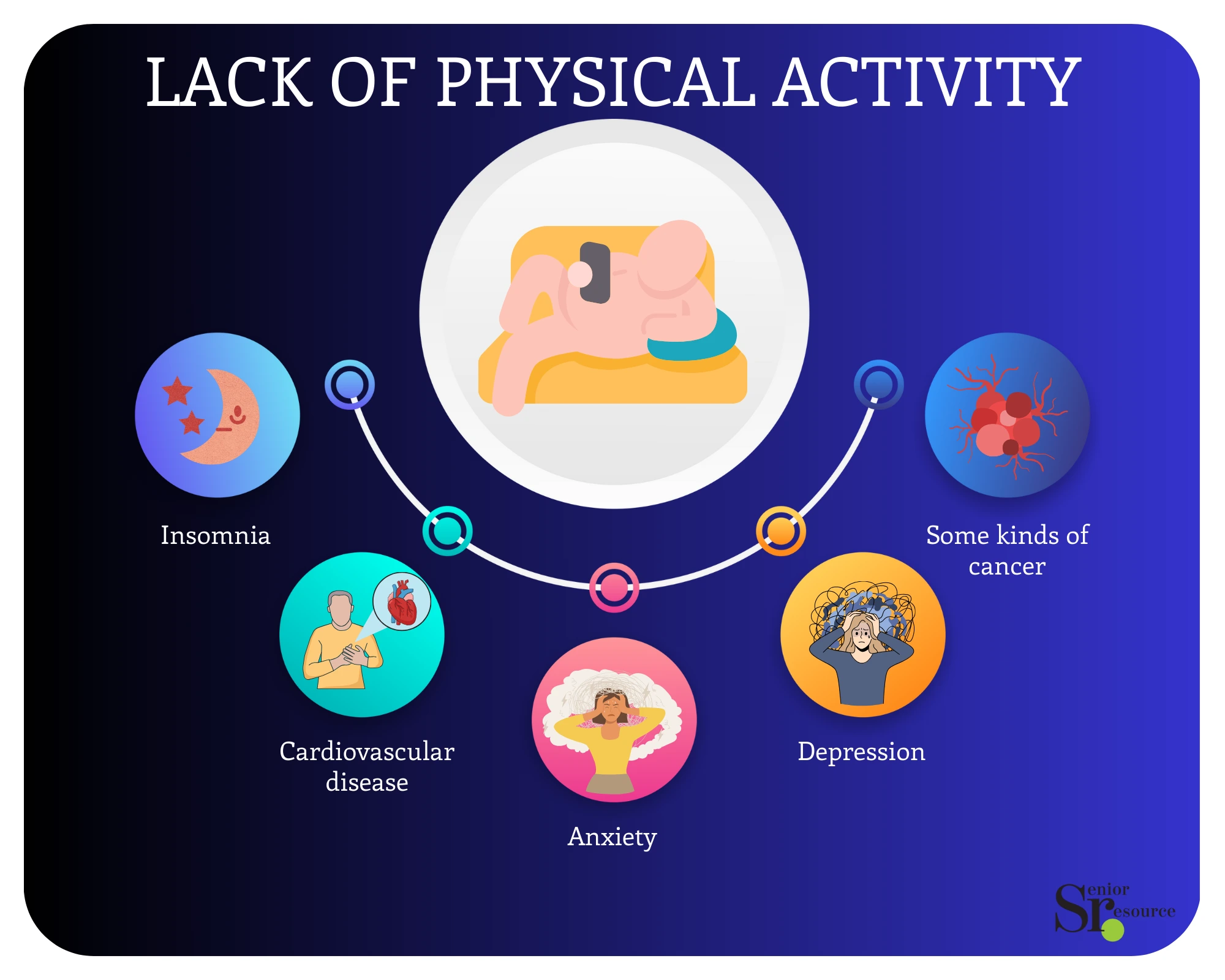
Did you know that physical inactivity can make it harder to sleep? Just thirty minutes of moderate exercise a day can greatly improve your sleep quality! Additionally, engaging in social activities, spending time with family and friends, and working around the house prepare the body for an enjoyable night’s sleep. So, instead of sitting in your favorite armchair and watching TV throughout the day, try something different. It could be interacting with fellow seniors, playing with your grandkids, or volunteering within your community. Just get up and go. Your body might just thank you with a good night’s sleep!
A Bad Sleep Environment
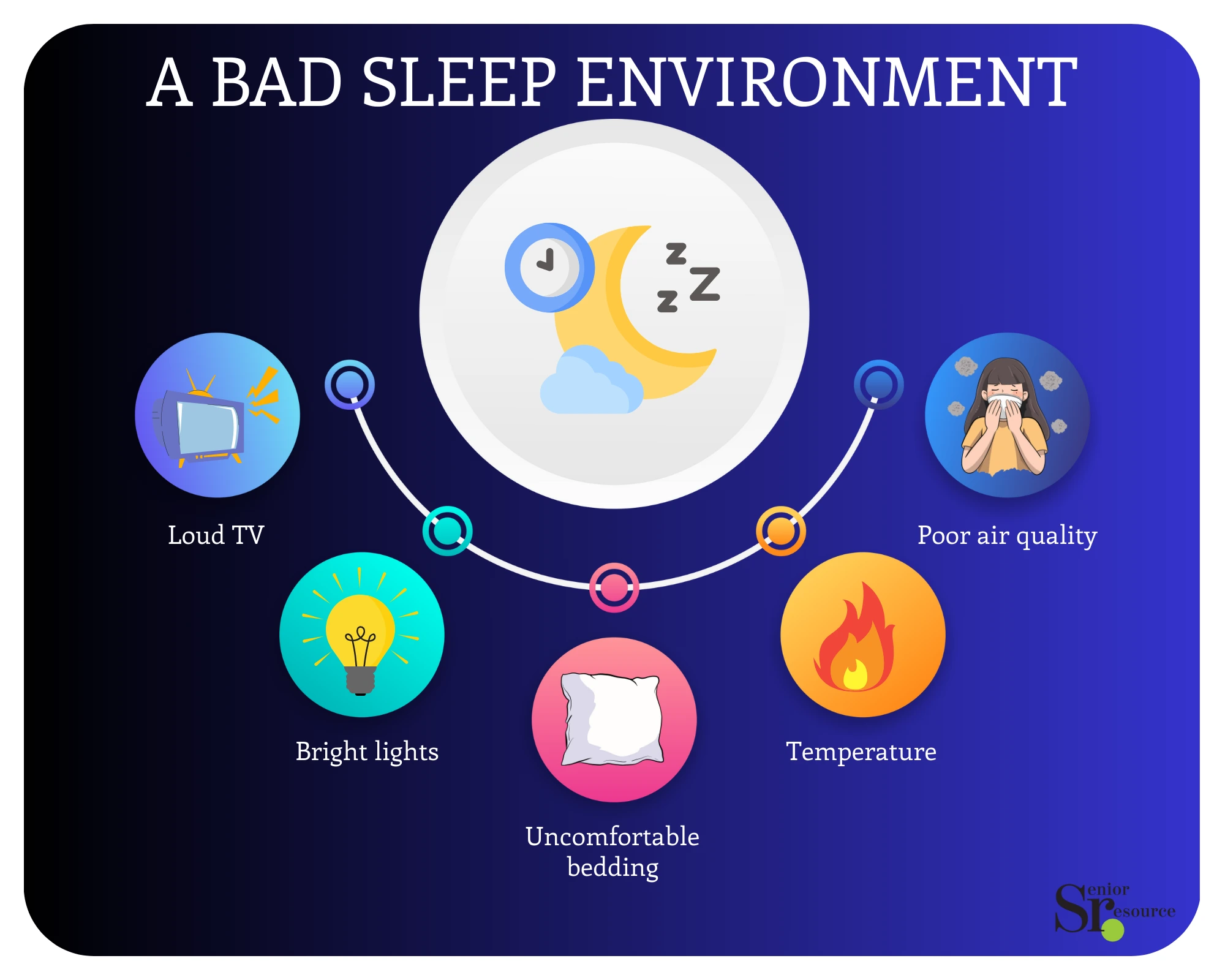
When the TV in your room is on with the sound blaring, you’re setting yourself up to fail. Naturally, the body will stay awake, as the light entering the eyes is bright enough to keep the body fully awake. Turn off your TV and bright lights an hour before bedtime, and turn on the nighttime lights whenever you want to sleep. You can also have a bedtime routine, such as having a warm bath, staying away from your phone, or reading a good book. Make sure you have a cozy blanket and a good pillow, too!
Daytime Napping
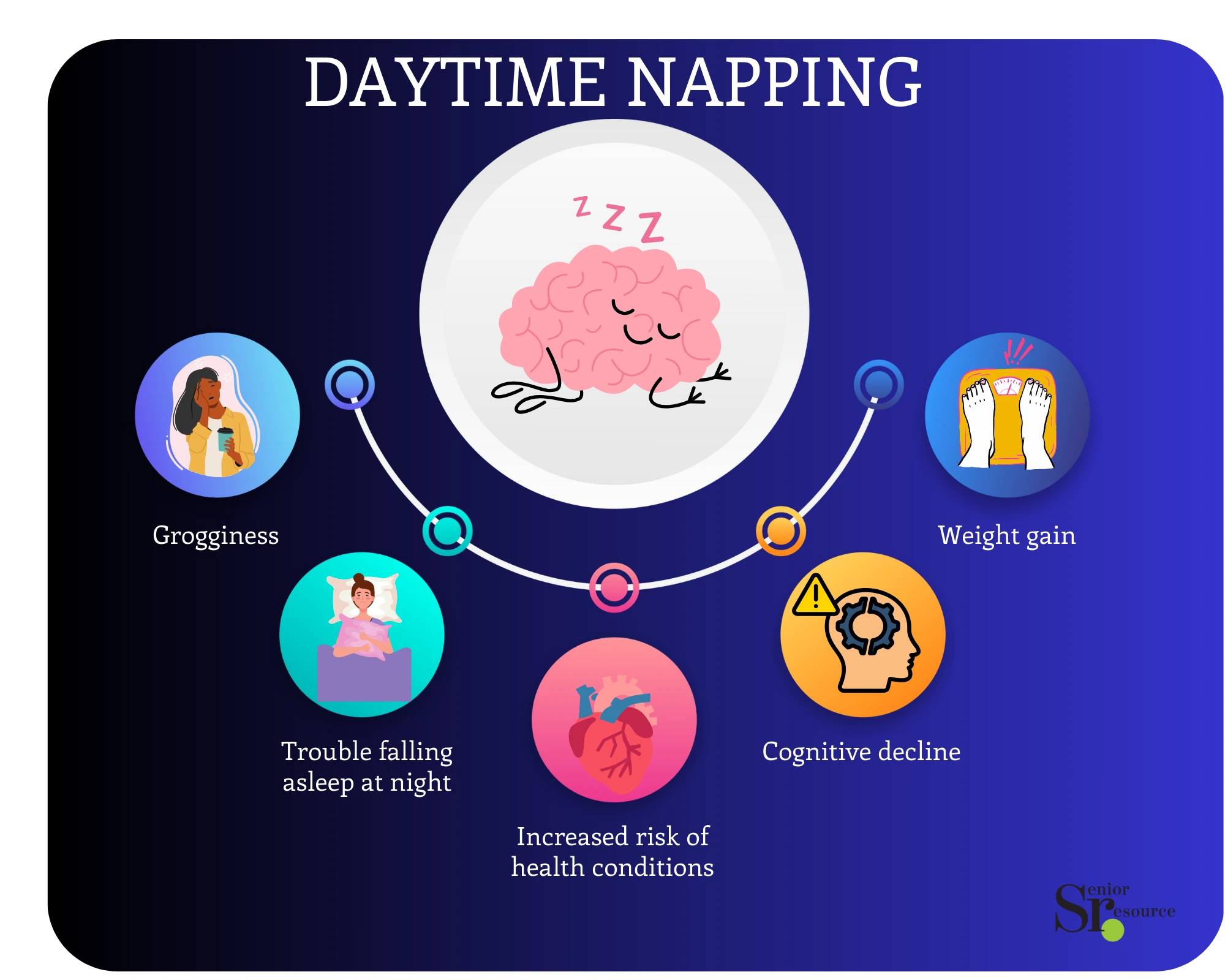
Many seniors take long naps during the daytime. Let’s face it—retirement makes indulging in a nap or two so easy! Naps in and of themselves aren’t bad. However, make sure you take short naps! Long naps can affect your sleep pattern at night. When you sleep more during the day and wake up later in the afternoon, your body will find it hard to fall asleep on time at night. Set an alarm and only nap for 20-30 minutes. Additionally, try to schedule your naps earlier in the day instead of late afternoon. When it comes to naps, too much of a good thing can be a bad thing!
Takeaway
Quality sleep is good for everyone, including seniors. However, most older adults aren’t getting enough for a variety of reasons, which can be detrimental to their health. If you’re an older adult, you can fix your sleep patterns! Remember to avoid long naps, be mindful of what medications you take, and create a cozy sleep environment.
If you’re a caretaker or have an elderly loved one living with you, you can help them form better sleeping habits. Readjusting their sleep patterns can take about three weeks or more, depending on the causes and treatment options. Teach them simple tips that can help improve their sleeping habits. Also, bear in mind that every single body works differently. What worked for your elderly aunt might not work for your elderly neighbor next door. So, visiting the doctor is one way to know why your elderly ones are finding it hard to sleep. There’s nothing quite like a good night’s sleep—and one isn’t out of your reach just because you’re getting older.

Popular Articles About Sleep
Originally published June 04, 2025
Author(s):