4 Ways to Reduce Your Medical Bills
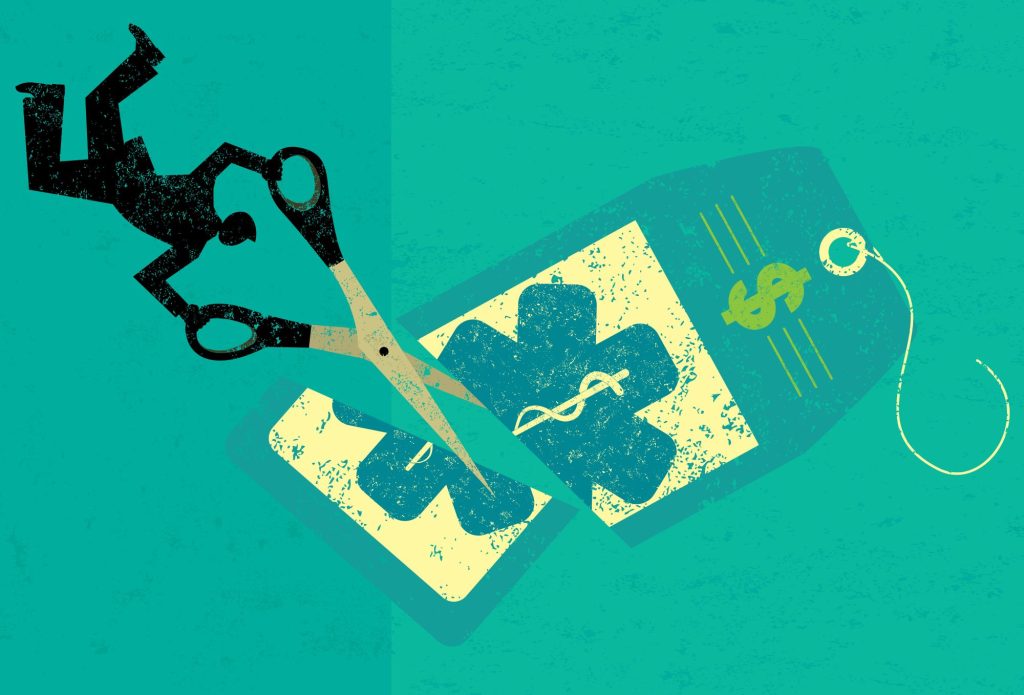
Medical debt has unfortunately become a chronic problem in this country. According to U.S. Census data, 19% of American households carry medical debt, including 10% of households headed by someone 65 or older. Even seniors on Medicare can easily get snagged in a web of complicated billing and coverage problems. To help you slash your medical bills, here are some tips recommended by healthcare experts that you should try.
1. Double-Check Your Bills

Almost half of all medical bills contain at least one error, including duplicate charges or charges for services you never received. If you’re facing a high bill and are on the hook for some portion of it, request itemized invoices from the hospital and other providers that detail everything you were charged for and go through them line by line. If you find something you don’t understand or find fishy contact the provider for an explanation or a correction.
Remember:
- Request itemized invoices
- Review line-by-line
- Contact the provider for clarification
2. Wait For Your EOB

Doctors’ offices and hospitals may mail initial bills to you before they even submit them to your health insurer. So, hold off on any payment until you receive an explanation of benefits (EOB) from your provider – Medicare, supplemental Medicare, Medicare Advantage, or private insurer. This will show what you owe after your insurance has paid its portion.
If your EOB shows that your insurer is refusing to pay for services that you think should be covered, call them to see whether it’s a correctable mistake, such as a coding error for a certain test or treatment. If it’s truly a denial of coverage, you may need to file an appeal. Click here for details on how to file a Medicare appeal.
3. Ask For a Discount

Call the hospital’s accounting office or the billing staff at your doctor’s practice and ask if they can reduce your bill. You’d be surprised how often this works. Or if you have the funds to pay the entire bill, ask the hospital or provider for a “prompt pay” discount which may save you 15% or more.
If it’s best for you to pay your bills over time, ask the billing office to set up a no-interest payment plan for you. It’s in the provider’s interest to work with you to obtain payment.
You can also call the hospital where you’ve received treatment and ask a billing specialist if the facility offers financial assistance. According to the American Hospital Association, about half of U.S. hospitals are nonprofit. This means they are required to offer free or discounted services in some instances. This is usually reserved for low to moderate-income patients who have limited or no health insurance, but requirements vary from hospital to hospital.
4. Get Help

If you’ve gotten nowhere on your own, contact the Patient Advocate Foundation (800-532-5274) which can help you understand and negotiate your medical bills, free of charge. Or consider hiring a medical billing professional to negotiate for you but be aware that these services can cost upward of $100 an hour. You can find potential candidates through the Alliance of Professional Health Advocates. Be sure to choose someone who is credentialed by the Patient Advocate Certification Board.
Send your senior questions to Savvy Senior, P.O. Box 5443, Norman, OK 73070, or visit SavvySenior.org. Jim Miller is a contributor to the NBC Today show and author of “The Savvy Senior” book.

Popular Articles About Personal Finance
Originally published August 08, 2024
Author(s):