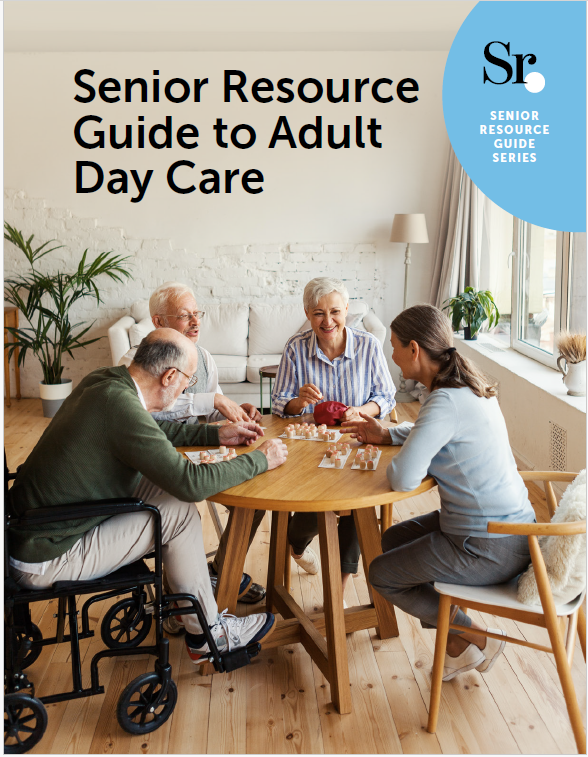
5 Ways Senior Living Communities are Addressing Mental Health and Wellness
Within senior living communities, an important shift is taking place. These facilities are not just focusing on physical health anymore; they’re embracing a holistic approach that values mental health and well-being just as much. The aim is to enhance the quality of life for residents, ensuring they enjoy every moment to the fullest, especially for those dealing with mental health challenges. Curious to know how they’re doing it? Here are five ways.
1. Therapeutic Gardens

In today’s modern senior living communities, therapeutic gardens are becoming quite a beloved feature, hailed for their impact on mental health. These thoughtfully designed spaces offer more than just beautiful scenery; they provide a relaxing retreat that nurtures emotional well-being and mental clarity. Residents enjoy strolling through gardens filled with vibrant flowers, water features, and easy-to-navigate paths. Spending time in these gardens can significantly alleviate stress, anxiety, and depression. Plus, gardening activities like tending to vegetables or flowers offer a sense of purpose and accomplishment. It’s a delightful way to get some exercise, too, which naturally boosts endorphins. The sensory experiences these gardens provide, from the sight and feel to the smell of plants, can also enhance memory and cognitive function, offering particular benefits for those with dementia or Alzheimer’s.
2. Mindfulness and Meditation Programs

In senior living communities, residents are discovering new paths to emotional serenity and mental clarity through wellness programs. These initiatives equip them with essential skills to manage stress. During guided meditation sessions, residents practice breathing exercises, physical relaxation, and mental visualization. Such techniques help them stay focused and present, perhaps easing symptoms of depression and anxiety. Regular meditation can significantly boost attention, memory, and emotional control, keeping the minds of older adults sharp and their cognitive abilities vibrant. Alongside meditation, mindfulness activities like yoga and tai chi are gaining traction. These activities blend mental focus with physical movement, offering a holistic approach to well-being. Yoga and tai chi not only calm the mind and alleviate stress but also improve strength, flexibility, and balance, making them a perfect addition to a healthy lifestyle.
Related Podcast:
3. Pet Therapy

In assisted living facilities, pet therapy is gaining traction as an effective way to boost mental well-being. Animals offer unconditional love and companionship, which can greatly enhance mental health. Whether it’s through playful interactions, gentle petting, or simply enjoying quiet moments together, spending time with pets can help reduce stress and anxiety. For seniors who might feel a bit out of control, caring for an animal can provide a sense of responsibility and purpose. Plus, activities like playing or walking with a pet release endorphins, those natural mood lifters. The bond between people and animals can also ease feelings of loneliness and isolation. For anyone facing anxiety, depression, or grief, the nonjudgmental presence of pets can be incredibly comforting.
4. Art and Music Therapy
These creative therapies offer residents a unique way to express themselves and process emotions without words. Engaging in activities like painting, drawing, or sculpting provides a focused and immersive experience that can significantly reduce stress and anxiety. Creating art allows individuals to express emotions that might be tough to articulate verbally, offering a sense of comfort and achievement. Plus, the hands-on nature of making art enhances sensory stimulation, which is particularly beneficial for those with cognitive challenges.
Related Podcast:
5. Cognitive Behavioral Therapy

Senior living facilities are beginning to recognize cognitive behavioral therapy (CBT) as an essential strategy for managing mental health concerns. The goal of CBT is to help individuals manage stress, anxiety, and depression by modifying their negative thinking patterns and behaviors. During sessions, residents interact with licensed therapists who assist them in recognizing and disputing their negative ideas. Through this approach, they can create more constructive thought patterns and coping techniques. Seniors can have particular pressures, including losing their independence or experiencing bereavement; CBT provides useful skills to help them deal with these issues.
The Bottom Line on Senior Living Communities and Mental Health

As senior care facilities increasingly recognize the importance of mental health and well-being, they are implementing innovative programs to support their residents. This comprehensive approach ensures that residents lead happier, more fulfilling, and balanced lives. If you have a loved one joining a senior living community, be sure to ask the staff about the ways they promote emotional and mental wellness.

Popular Articles About Retirement Communities, Assisted Living, and Mental and Emotional Health
Originally published August 29, 2024
Author(s):