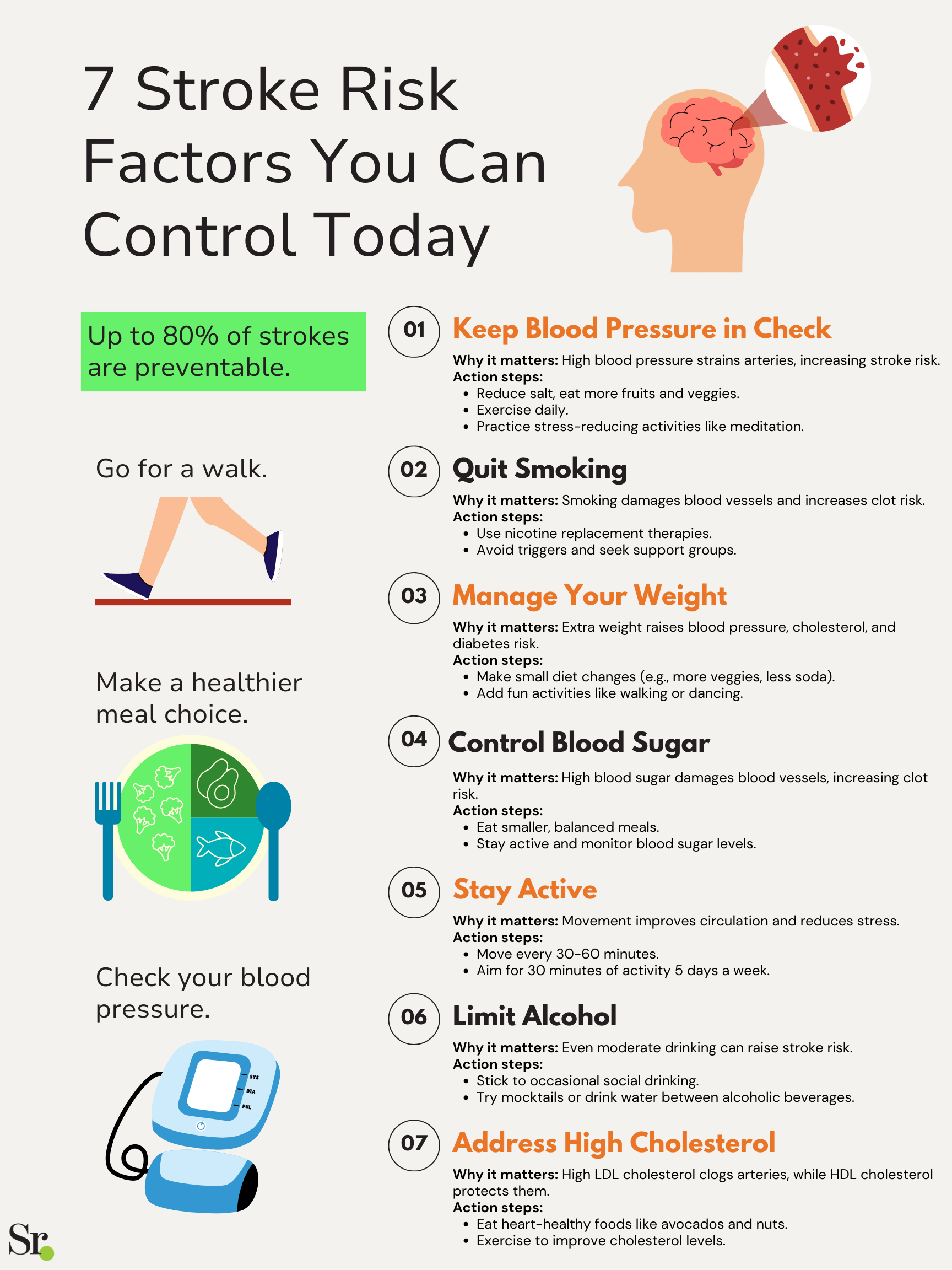
7 Stroke Risk Factors You Can Control Today

I have a family history of heart disease, so cardiac health is a topic that is important to me. Through my research, I’ve learned a lot about how cardiac health and strokes are related and how protecting against one health concern can help guard against the other. It’s been interesting to learn about circulatory health and the stroke risk factors that are within my control. Sure, some risk factors—like age and family history—really can’t be changed, but there are plenty of things we can do today to lower our risk. Here are some things to start doing today.
What is a Stroke?
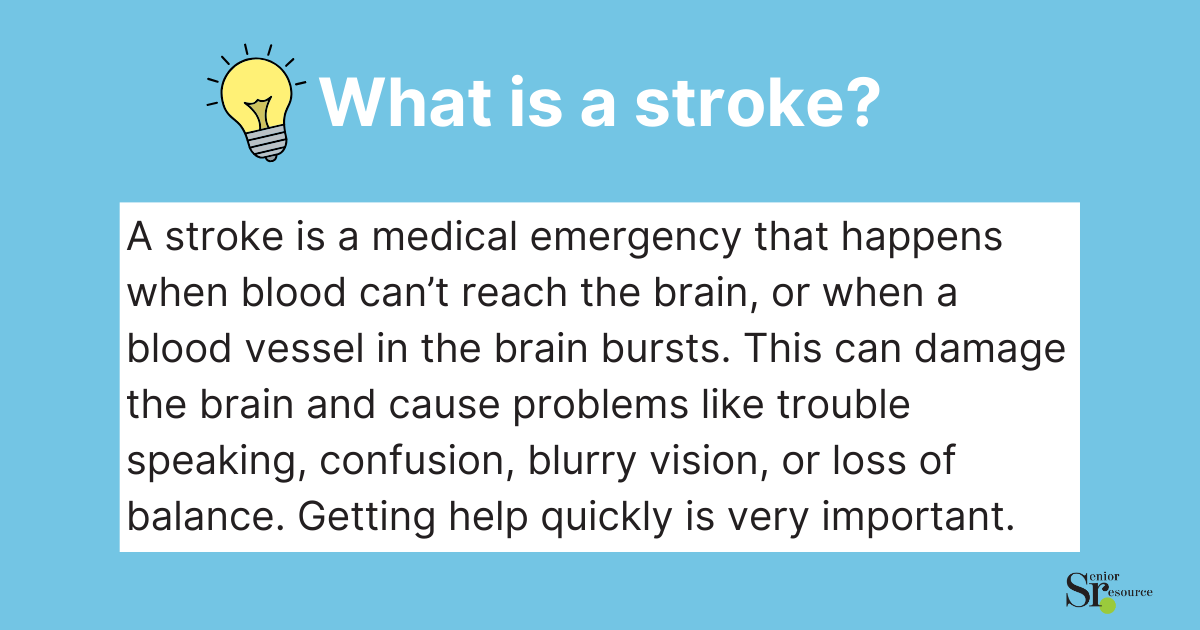
A stroke is a medical emergency that requires immediate attention. It happens when the blood flow to the brain is blocked, there is bleeding in the brain, or when a blood vessel bursts. When the brain isn’t getting enough blood and oxygen, brain cells start to die off. When blood can’t get to the brain for a long enough period, the damage can be permanent. The result can be brain damage, so immediate attention is necessary to minimize harm.
Strokes are one of the leading causes of disability and death worldwide. They can cause aphasia (trouble speaking), disorientation and confusion, blurry vision, loss of coordination, vomiting and stomach distress, seizures, or even a coma.
While this all sounds scary, The Stroke Awareness Foundation shares statistics stating that more than 7 million people survive a stroke every year. Up to 80% of strokes are also preventable.
Preventing a stroke involves controlling risk factors. The choices you make every day are key and can help to preserve your health and keep you safe. So, let’s talk about the things you and I can do right now to lower your risk.
1. Keep Blood Pressure in Check
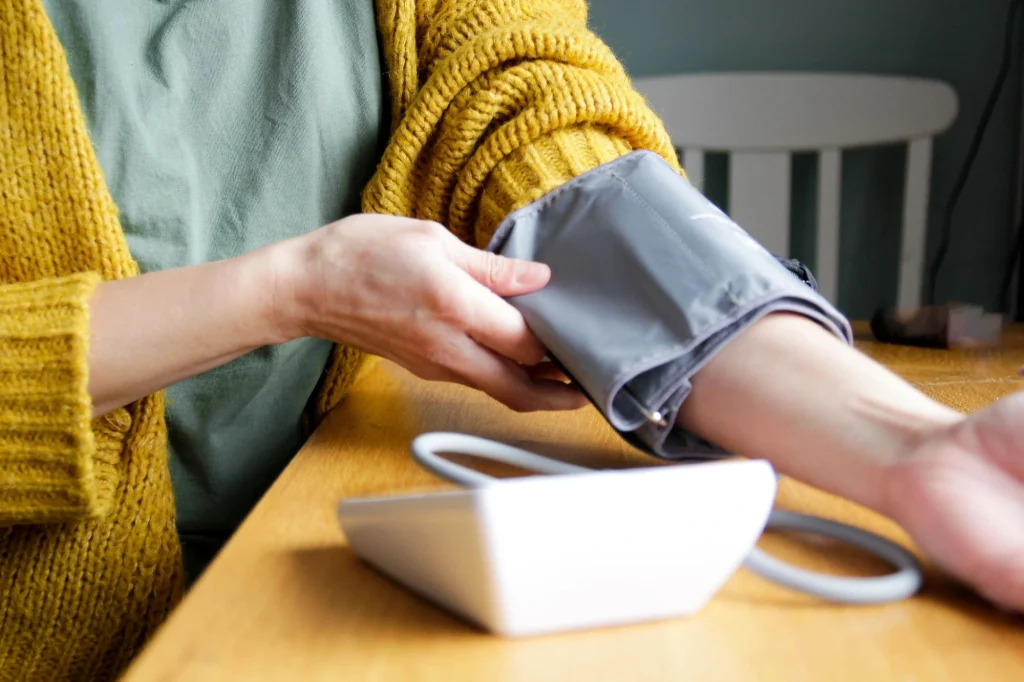
According to the CDC, high blood pressure is a significant contributing factor that increases your risk of having a stroke.
The Mayo Clinic describes blood pressure as:
- Normal – lower than 120/80 mm Hg.
- Elevated – The top number ranges from 120 to 129 mm Hg, and the bottom number is below, not above, 80 mm Hg.
- Stage 1 hypertension – The top number ranges from 130 to 139 mm Hg. Alternately, the bottom number is between 80 and 89 mm Hg.
- Stage 2 hypertension – The top number is 140 mm Hg or above. Alternately, the bottom number is 90 mm Hg or higher.
- Emergency / Crisis – Blood pressure is higher than 180/120 mm Hg.
High blood pressure is never diagnosed with a single reading. This is because blood pressure fluctuates throughout the day, and things like white coat syndrome in the doctor’s office can impact blood pressure.
However, if your blood pressure is consistently high, it puts extra strain on your arteries, making them more likely to clog or burst. This is cause for concern, but there are things you can do to reduce your blood pressure, stay healthy, and decrease your risk of having a stroke.
Things to Do Today:
- Cut back on salt or follow a heart-healthy DASH eating plan. This involves reducing added salt in the dishes you prepare, limiting your intake of processed foods, and consuming more vegetables, fruits, and whole grains.
- Potassium is heart protective and can help reduce blood pressure. Get more of it by adding bananas, sweet potatoes, and spinach to your diet.
- Get daily exercise to improve circulation and lower blood pressure.
- Try stress-reducing deep breathing exercises or meditation to reduce stress and blood pressure.
Related Podcast:
2. Kick That Smoking Habit

Smoking might feel therapeutic to some, but it’s habit-forming in certain ways and pretty bad for your health. It also increases your risk of having a stroke. Even passive smoking increases the risk of having a stroke by 45%. It damages blood vessels, increasing clot formations and reducing oxygen in your blood. Commit to quitting if you want to protect your cardiovascular and brain health.
Things to Do Today:
- Work with your doctor to develop a reasonable smoking cessation plan that includes medications or therapies.
- Consider using over-the-counter nicotine replacement therapies like patches or gum.
- Avoid triggers and, if necessary, switch up your routine to avoid the things that make you want to smoke.
- Join an in-person or online support group, or turn to friends and family for help with reaching your goal of stopping smoking.
3. Manage Your Weight

Carrying those extra pounds, especially around the belly, increases your risk of high blood pressure, diabetes, and high cholesterol. These conditions, in turn, increase your risk of experiencing a stroke. There’s no need to go crazy, hop on the scale every day, or micromanage your weight. However, body composition and belly fat are stroke risk factors that are within your control.
Things to Do Today:
- Start with small changes like choosing water instead of soda, adding fresh vegetables to your evening meal, or cutting back on sugary snacks.
- Set realistic goals in smaller increments. Start with losing 5 pounds. If you’re ready to move on, even losing 5-10% of your body weight has significant health benefits.
- Add in some exercise. Start with once or twice a week and something you love like dancing, swimming, or walking the dog.
Exercise Resource for Seniors:
4. Control Your Blood Sugar

According to the American Stroke Association, every two minutes, an American with diabetes is hospitalized for a stroke. Diabetes causes a build-up of glucose in the body, which results in increased fatty deposits that build up and damage blood vessels. This build-up makes you more prone to clots that contribute to strokes. When you control your blood pressure and keep diabetes in check, it protects your health and can reduce your risk of having a stroke.
Things to Do Today:
- Cut back on processed, sugary snacks and sodas.
- Eat more frequent, smaller meals that include protein, fiber, and healthy fats to better regulate your blood sugar throughout the day.
- Make it a goal to maintain an active lifestyle and exercise daily, as this helps regulate blood sugar naturally.
- If you’re diabetic, monitor your blood sugar levels regularly with a blood glucose monitor.
- Partner with your doctor for advice or other support through diet and medications.
5. Move Your Body

The human body wasn’t designed to sit for hours on end, yet many of us do just that far more often than we should. Keeping your body active improves circulation and reduces stress and depression. You don’t have to head to the gym to get activity in; just do something you love that keeps you active.
Things to Do Today:
- When you’re sitting around the house, stand up and move a little every 30-60 minutes.
- Try to plan activities like walking or swimming for at least 30 minutes a day, five days a week.
- Turn daily tasks into movement—park your car at the end of the parking lot, choose the stairs instead of the elevator, put in earbuds and dance while cooking, do squats or toe touches during commercial breaks.
Exercise Resource for Seniors:
6. Consume Alcohol in Moderation

High and even moderate alcohol consumption is shown to increase your risk of having a stroke. So, while a glass of wine at dinner a couple of times a week or a weekend drink with friends now and then isn’t likely to have serious negative impacts on your health, even drinking in moderation, meaning one or two drinks a day, may increase your risks. The takeaway is to reduce alcohol intake as much as possible to preserve your health.
Things to Do Today:
- Stick to social drinking on occasion or only for special occasions.
- If you want to enjoy the taste of an alcoholic beverage, try opting for mocktails or lower-alcohol options.
- Sip on a glass of water between alcoholic beverages to slow down your rate of consumption.
7. Address High Cholesterol

High LDL cholesterol leads to waxy plaque buildup in the arteries. This buildup can make it difficult for blood to get to your brain, increasing the risk of stroke. In contrast, higher HDL cholesterol numbers protect you from having a stroke by helping to remove LDL cholesterol from the blood vessels and directing it to the liver. Address high cholesterol by implementing lifestyle changes that raise HDL numbers while lowering LDL numbers.
Things to Do Today:
- Add heart-healthy avocados, nuts, and olive oil to your diet.
- Cut back on fried foods and processed snacks.
- Exercise to raise good cholesterol (HDL) and lower bad cholesterol (LDL).
- Work with your doctor to check your labs once or twice a year if you have a family history of high cholesterol.
- If your doctor recommends a statin or other cholesterol-lowering medication, take it as prescribed.
Take Control of Your Health

Preventing a stroke doesn’t have to be about making big changes. Even taking small steps can reduce your risk factors and keep you healthy. Every positive change also benefits your heart, mood, and other important bodily functions. You’ll feel better, have more energy, and improve your overall health and longevity by taking measures to get stroke risk factors under control. What changes are you going to make today?
So, what’s one thing you can do today to reduce your stroke risk? Maybe it’s going for a walk, making a healthier meal choice, or setting a reminder to check your blood pressure. Whatever it is, start now—your future self will thank you!
This article is intended for informational purposes only and does not constitute medical advice. Always consult with a healthcare professional for personalized guidance and medical recommendations tailored to your individual needs.

Popular Articles About Health Conditions
Originally published March 12, 2025
Author(s):