A Practical Guide to Recognizing Stroke Symptoms & Improving Cardiovascular Health for Seniors

When it comes to senior health, few topics are as important as recognizing stroke symptoms and safeguarding cardiovascular well-being. Strokes and heart disease remain the leading causes of death worldwide, yet knowledge and preparedness can often mean the difference between life and loss. Empowering seniors and caregivers with the tools to identify warning signs, understand risk factors, and take swift, appropriate action isn’t just important—it’s essential. This guide will provide some clear, actionable insights to help you prioritize your health and stay one step ahead in preventing and managing these life-threatening conditions.
Types of Stroke
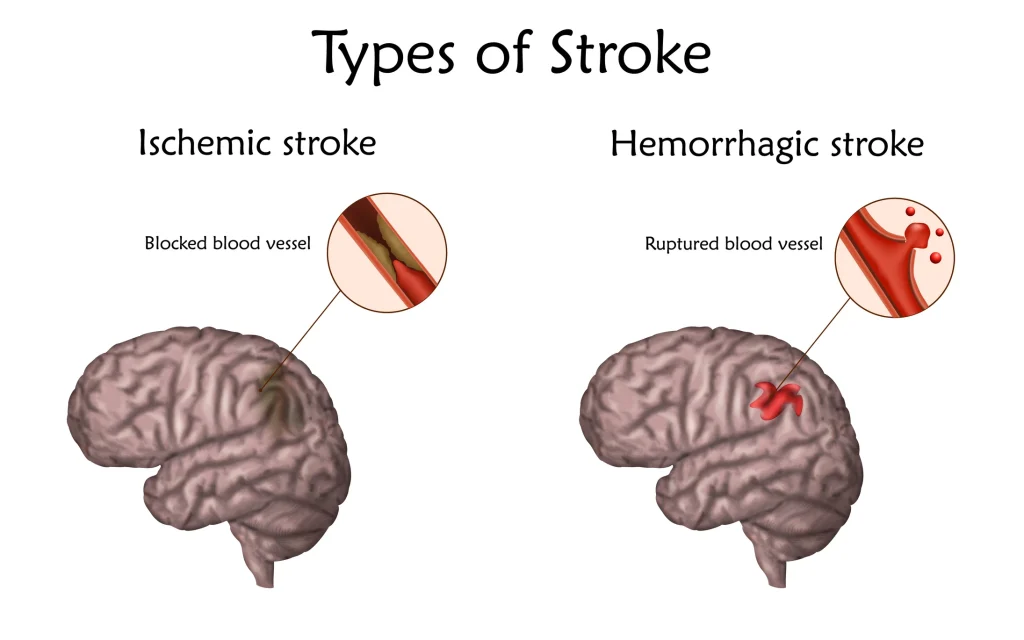
Understanding stroke types and their effects on the brain is essential in recognizing the urgency of treatment and prevention. Strokes vary in cause, location, and impact, requiring customized approaches to treatment. Here’s a closer look at the key types of stroke and how they can affect your body and mind.
Ischemic Stroke
The most common type of stroke, an ischemic stroke, occurs when blood flow to the brain is obstructed, either partially or entirely, by a blood clot or fatty deposits in the arteries. Without adequate oxygen and nutrients, brain cells can begin to die within minutes, potentially leading to significant neurological impairment. This type of stroke often stems from atherosclerosis—a buildup of plaques narrowing the arteries. Ischemic strokes can be further categorized:
- Thrombotic Stroke occurs when a clot forms in one of the brain’s blood vessels, cutting off blood supply at its source.
- Embolic Stroke happens when a clot or other debris forms elsewhere in the body—often in the heart—and travels to the brain, obstructing a blood vessel. For example, atrial fibrillation increases the risk of embolic strokes by allowing clots to form in the heart.
Symptoms of Ischemic Stroke
Symptoms of ischemic stroke typically include sudden weakness or numbness on one side of the body, slurred speech, confusion, or severe dizziness. Early medical intervention is so important for minimizing damage, as treatments such as clot-dissolving medications are most effective when administered within hours of symptom onset.
Hemorrhagic Stroke
A hemorrhagic stroke, though less common, is distinctly dangerous. It happens when a blood vessel within the brain leaks or bursts, leading to bleeding that places immense pressure on brain cells, damaging or killing them. High blood pressure is a dominant risk factor, often contributing to the rupture of weakened vessels. Types of hemorrhagic stroke include:
- Intracerebral Hemorrhage, the more widespread type, occurs when a blood vessel bursts within the brain itself, filling surrounding tissues with blood.
- Subarachnoid Hemorrhage happens when bleeding occurs in the space between the brain and the thin tissues covering it, often triggered by an aneurysm rupture.
Signs of Hemorrhagic Stroke
Signs of a hemorrhagic stroke may include a sudden, excruciating headache often described as “the worst headache of my life,” along with nausea, confusion, vision problems, and in severe cases, loss of consciousness. These symptoms may escalate gradually or appear explosively, depending on the type of hemorrhagic stroke.
Signs of Stroke
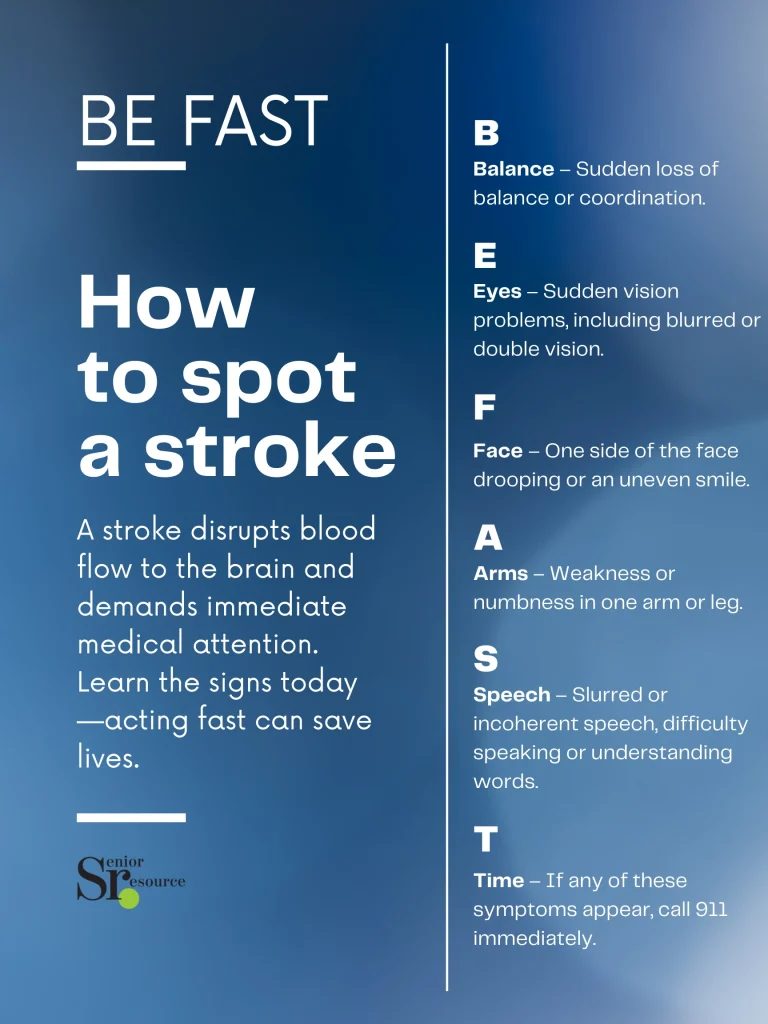
A simple way to identify a stroke is by using the B.E. F.A.S.T. mnemonic:
- Balance – Sudden loss of balance or coordination.
- Eyes – Sudden vision problems, including blurred or double vision.
- Face – One side of the face drooping or an uneven smile.
- Arms – Weakness or numbness in one arm or leg.
- Speech – Slurred or incoherent speech, difficulty speaking or understanding words.
- Time – If any of these symptoms appear, call 911 immediately.
Heart Attacks Types
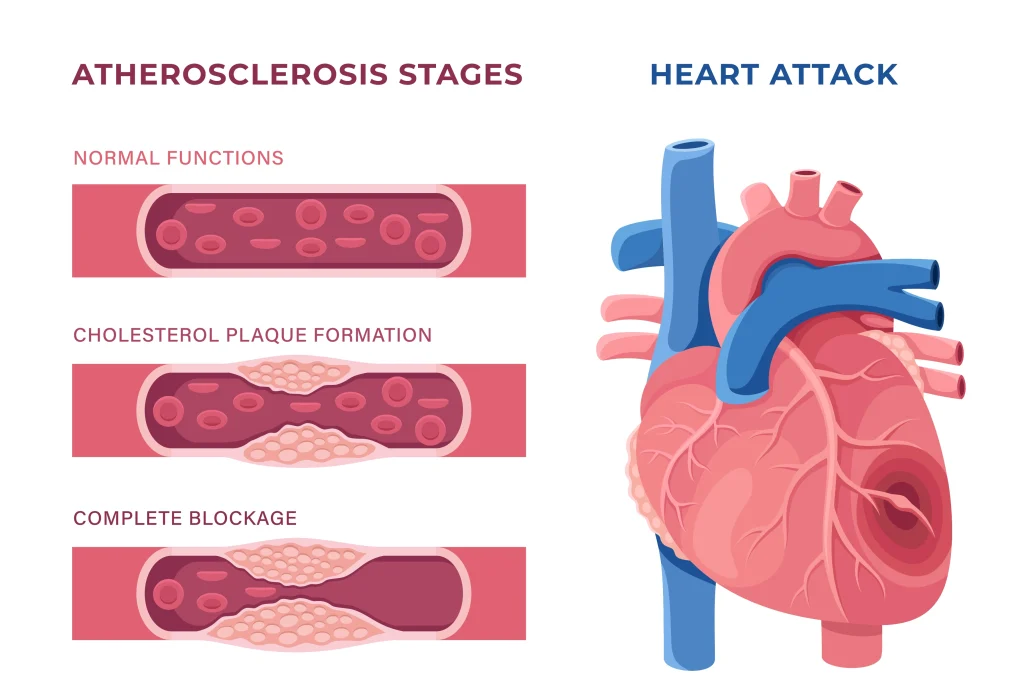
A heart attack, also known as a myocardial infarction, happens when blood flow to the heart muscle is severely reduced or completely blocked, depriving the tissue of oxygen. This is typically caused by a buildup of fatty deposits, known as plaques, on the walls of coronary arteries. Over time, these plaques can rupture, leading to the formation of a blood clot that blocks blood flow. Without quick medical treatment, parts of the heart muscle can be permanently damaged.
Angina
Angina is not a heart attack but rather chest discomfort caused by reduced blood flow to the heart. It serves as a warning sign of underlying heart disease.
STEMI (ST-Elevation Myocardial Infarction)
This type involves a complete blockage of a coronary artery. It’s the most serious form of heart attack and requires immediate, life-saving intervention, such as angioplasty or clot removal.
Non-STEMI (Non-ST Elevation Myocardial Infarction)
A partial blockage of blood flow. While not as immediately life-threatening as a STEMI, it still requires urgent medical attention and ongoing care to prevent further damage.
Symptoms of a Heart Attack
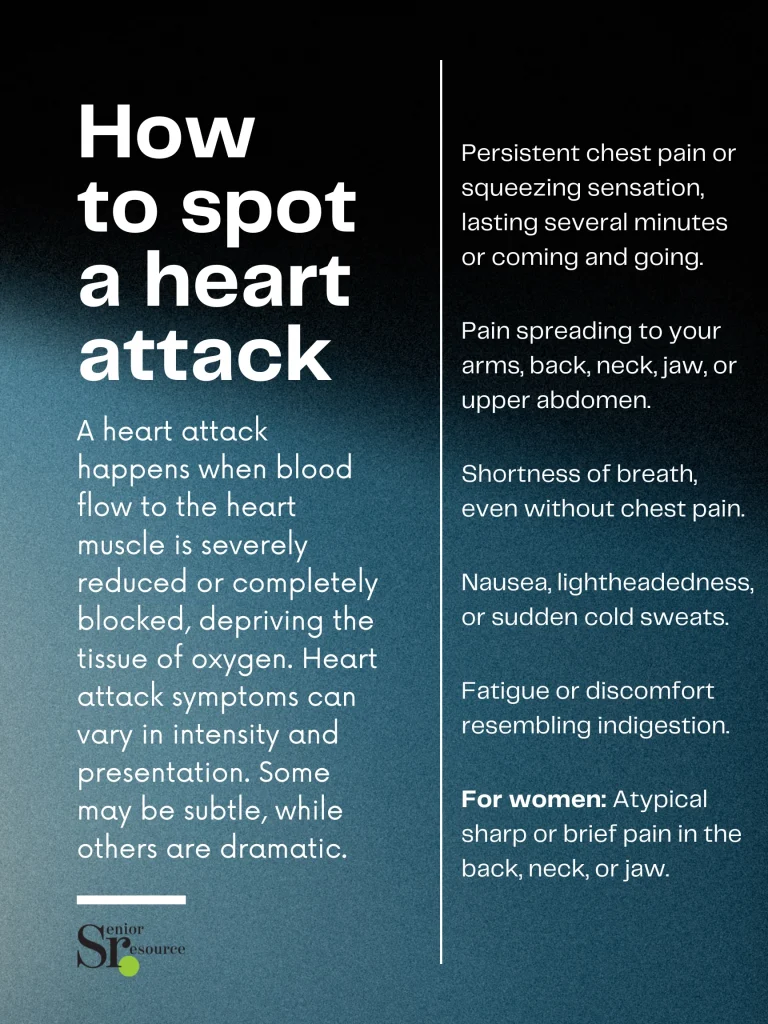
Heart attack symptoms can vary in intensity and presentation. Some may be subtle, while others are dramatic. Common symptoms include:
- Persistent chest pain or a squeezing sensation that lasts several minutes or comes and goes.
- Pain that radiates to the arms, back, neck, jaw, or upper abdomen.
- Shortness of breath even without chest pain.
- Nausea, lightheadedness, or cold sweats.
- Fatigue or indigestion-like discomfort.
It’s important to note that women may experience atypical symptoms such as sharp or brief pain in the back, neck, or jaw. For some, the first noticeable sign might be cardiac arrest.
Importance of Immediate Action
Time is critical when it comes to heart attacks. The longer the heart muscle goes without oxygen, the greater the damage. A common phrase in cardiology, “Time is muscle,” underscores the importance of acting quickly. If you suspect a heart attack in yourself or someone else, take the following steps immediately:
- Call 911 – This should always be the first action. Never try to “wait it out.”
- Follow Medical Advice – If prescribed, take aspirin while waiting for emergency help—but only if directed by a healthcare professional.
- Learn CPR – If someone collapses and is unresponsive, provide chest compressions at a rate of 100–120 per minute until emergency responders arrive.
Causes of Heart Attacks
Most heart attacks result from coronary artery disease, where plaques build up and narrow the arteries over time. Contributing factors include high cholesterol, smoking, high blood pressure, diabetes, and poor dietary habits. Other, less common causes include coronary artery spasms, damage from infections like COVID-19, or a spontaneous tear in a coronary artery known as SCAD.
How to Prioritize Your Health and Minimize Your Risk of Stroke or Heart Attack

- Know Your Numbers: Regularly monitor your blood pressure, cholesterol, and blood sugar levels. Work with your doctor to keep them in a healthy range.
- Adopt a Heart-Healthy Diet: Focus on eating fruits, vegetables, whole grains, lean proteins, and healthy fats like olive oil. Limit salt, sugar, and processed foods.
- Stay Active: Aim for at least 30 minutes of moderate physical activity, such as walking or swimming, most days of the week to strengthen your heart and improve circulation.
- Maintain a Healthy Weight: Achieving and maintaining a healthy weight helps reduce strain on your heart and lowers the risk of cardiovascular issues.
- Quit Smoking: Eliminate tobacco use to significantly reduce your risk of heart attack and stroke. Avoid exposure to secondhand smoke as well.
- Drink Alcohol in Moderation: Limit alcohol intake to recommended levels or avoid it altogether. Excessive drinking can increase blood pressure and heart risks.
- Manage Stress: Practice relaxation techniques like mindfulness, yoga, or meditation to keep stress levels in check. Chronic stress can negatively affect heart health.
- Get Regular Checkups: Stay proactive by visiting your doctor for routine health screenings and to discuss any concerns about your heart or stroke risks.
- Know the Warning Signs: Familiarize yourself with the symptoms of stroke and heart attack. Quick recognition and action can save lives.
- Take Your Medications as Prescribed: If your doctor has prescribed medications to manage conditions like high blood pressure or diabetes, ensure you take them consistently.
Taking small, consistent steps can significantly improve your cardiovascular health and overall well-being. Prioritize self-care and stay informed to lead a healthier, more active life.
Listen to the Episode Here:
This article is intended for informational purposes only and does not constitute medical advice. Always consult with a healthcare professional for personalized guidance and medical recommendations tailored to your individual needs.
Subscribe to & Connect with Next Steps 4 Seniors: Conversations on Aging

Visit Next Steps 4 Seniors: https://nextsteps4seniors.com/
RealPeopleGroup, SCIENCE PHOTO LIBRARY, AlonzoDesign | Getty Images

Popular Articles About Heart Health
Originally published February 19, 2025
Author(s):