Do I Need Compression Stockings?

When you think of compression stockings, what comes to mind? A product for seniors? A solution for health conditions like varicose veins or swelling? An uncomfortable garment you’d hate to wear? What if we told you they were so much more than that? Compression stockings are tools—proactive tools—for anyone looking to support their body. In other words, they aren’t just for an older demographic! From athletes focused on recovery to busy bees navigating long hours at work, these garments can make a huge impact if you understand their purpose and how to use them correctly. If you want to know more, keep reading! Here’s why compression stockings matter and how they might just be the game-changer you didn’t even know you needed!
Compression Stockings 101
Compression stockings use gentle pressure to improve circulation in your legs, helping blood move back toward the heart. You’ve probably heard that good blood flow is essential for health, right? Well, these garments can help you achieve that by reducing issues like swelling, discomfort, and even serious risks like blood clots. They come in various levels of compression, so whether you’re managing a chronic condition or just want to prevent muscle soreness, there’s likely an option that fits your legs—and your situation!
Listen to the Full Episode Below:
Who Can Benefit?
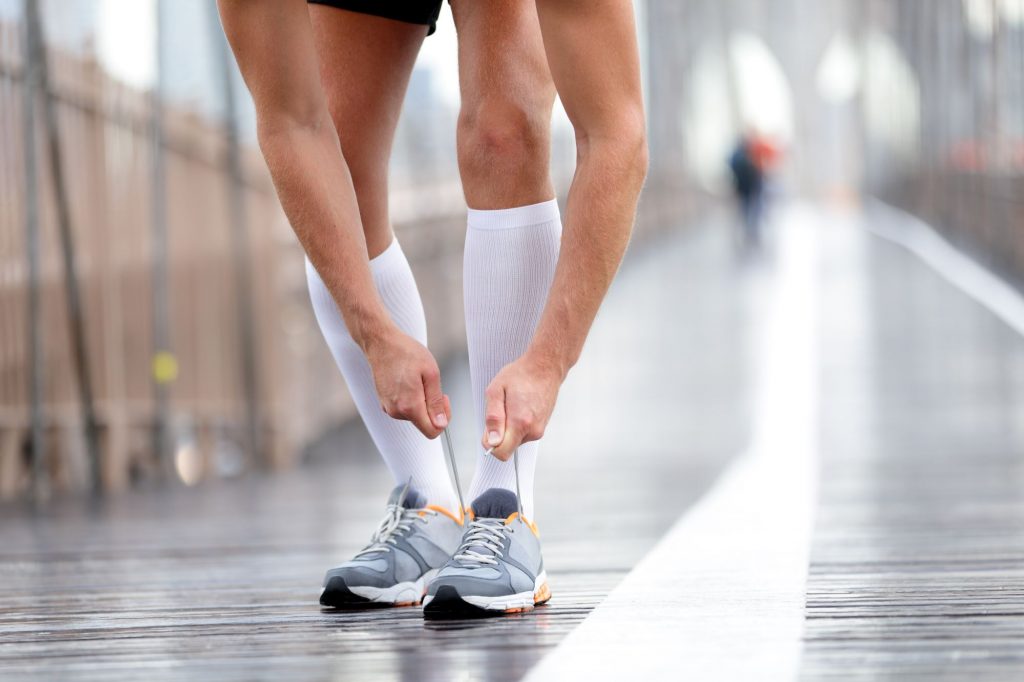
Compression stockings aren’t just for hospital patients or people managing medical conditions. They aren’t even just for older adults! These nifty garments serve a wide audience, from famous athletes to average Joes. However, compression stockings may be especially beneficial for:
People with Circulation Issues
If you have medical conditions like varicose veins or diabetes, compression stockings can improve your circulation and reduce discomfort. The increase in blood flow can alleviate swelling and prevent blood from pooling in your legs (a real concern for anyone dealing with chronic health challenges).
Desk Workers and Frequent Travelers
Sitting still for long periods creates a perfect storm for discomfort and inflammation. If you’re at a desk all day or spending hours on a plane, compression stockings can combat that stagnant feeling by keeping blood moving.
People Who Stand All Day
If your job has you on your feet all day (teachers, retail workers, healthcare professionals), you’ve probably felt that heavy, achy sensation in your legs. Compression stockings provide relief by reducing the strain on your veins and muscles.
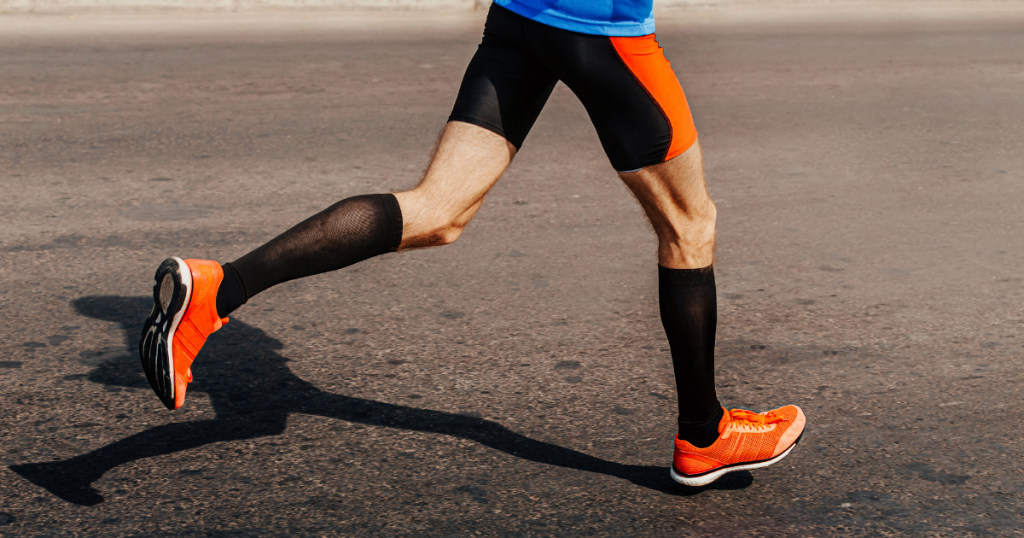
Athletes and Fitness Enthusiasts
Recovery is a big part of peak performance, whether you’re running marathons or just hitting the gym. Compression stockings aid blood circulation during and after physical activity, reducing soreness and speeding up recovery.
Pregnant Women
Pregnancy changes everything, including how your body circulates blood. Swelling in the legs and feet is a common challenge that expectant mothers face. Fortunately, compression stockings can provide some much-needed relief!
How and When to Use Compression Stockings
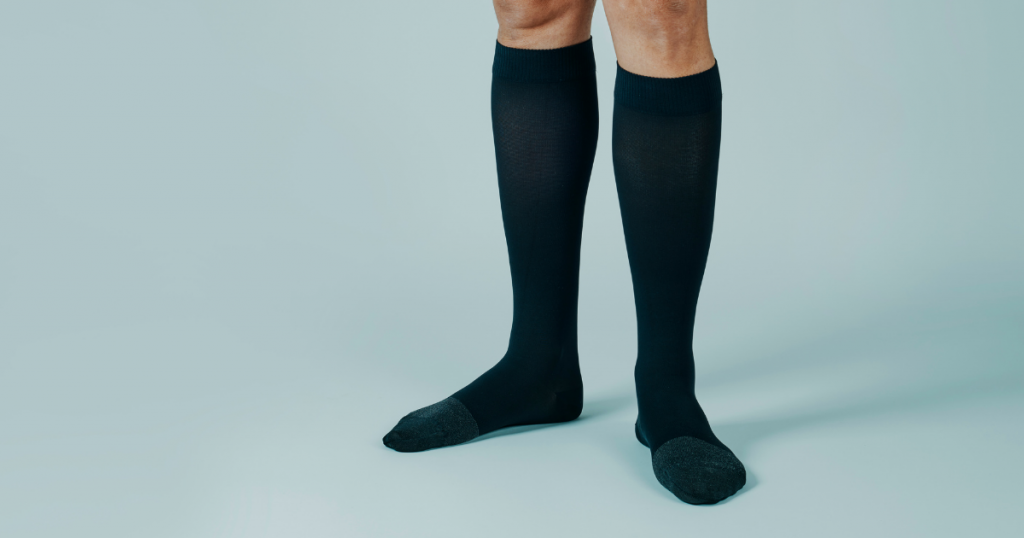
So, when should you use compression stockings? Before you exercise? After? Maybe sometime in between? Think of compression socks as both a preventative measure and a reactive tool. In other words, you can use them at any time and in most situations! Feeling uncomfortable after sitting too long? They can help. Want to avoid muscle soreness after exercise? They’re there for that, too! The beauty is that they can fit seamlessly into your routines. You can wear them during long days of travel, periods of recovery, or even everyday activities where you notice swelling or your legs feel tired. The key is to know your body and when you need a little extra support.
Finding Your Fit
Here’s where most people get it wrong—a perfect fit isn’t optional. A poorly fitted compression stocking is more than just uncomfortable. It’s also ineffective! So, how can you find your perfect fit? First, you should remember that compression stockings are like snowflakes. No two compression socks are alike, and they all come in different shapes, sizes, and pressures. For example, these stockings range from mild to firm compression (measured in mmHg), with each serving a different purpose:
- Mild (8-15 mmHg): Great for preventing mild swelling, especially during travel or long periods of sitting.
- Moderate (15-20 mmHg): Targeted toward relieving minor varicose veins or mild discomfort from prolonged standing or sitting.
- Firm (20-30 mmHg) and beyond: Reserved for more serious medical needs, like post-surgical recovery or significant swelling.
If you’re unsure where you lie on the compression scale, consider asking your doctor or healthcare provider for guidance. This isn’t a one-size-fits-all tool, and a doctor or specialist can help find the best match for you. Also, make sure you measure the girth of your ankle, calves, and legs if you’re going for a thigh-high or waist-length legging option! You can also ask a doctor or a professional at the medical supply store where you purchase your compression stockings to help you figure out your measurements.
How long should you wear compression stockings?
There’s no set-in-stone answer for this question. The duration for which one should wear compression stockings varies from person to person. For most people, they should be safe to wear for a few hours. However, talk to your doctor to determine how long you should wear your compression stockings. They can give you clear-cut guidelines and tell you how you can get the most use out of yours.
Can I sleep with compression stockings?
Once again, the answer to this question varies from person to person! According to WebMD, over-the-counter compression socks are generally ineffective overnight, and removing them before sleep can give your skin a much-needed break. However, your doctor may tell you to wear prescribed compression stockings overnight. In the end, your healthcare provider can make that call, so reach out to them for further advice and follow whatever instructions they give you!
Are they better than alternatives?
Compression stockings outshine many alternatives because they’re specifically engineered for circulation. Sure, you can try wraps or massage techniques, but those solutions lack the consistency and precise pressure these stockings provide. Athletes often turn to compression wear over other recovery tools because the science backs it.
What are the side effects of compression stockings?
It happens. Sometimes, compression stockings have some side effects. Side effects are usually the result of ill-fitting compression stockings. They may also happen because you simply aren’t wearing them correctly! In some cases, you might have extra-sensitive skin that doesn’t respond well to the compression stocking material. Whatever the case, common side effects may include:
- Skin irritation
- Redness, pain, and discomfort
- Allergic reactions
- Itchiness
- Fungal or bacterial infections (in rare cases)
According to WebMD, those with severe peripheral artery disease shouldn’t wear compression stockings, as this can narrow blood vessels in your legs and reduce your blood flow.
Small Steps, Big Impact
The real takeaway here isn’t just that compression stockings work. It’s that they offer a way to actively target your discomfort and other issues tied to circulation before they become bigger problems. Small changes (like wearing the right compression gear) compound over time into better health outcomes.
They’re practical, effective tools that can enhance your well-being and even improve your quality of life! Whether you’re tackling a medical condition, powering through long workdays, or simply hoping for faster recovery times, they offer amazing benefits for almost anyone.
Connect with Senior Fitness with Meredith
Join the conversation by visiting our website at seniorfitnesswithmeredith.com. There, you’ll find a growing library of free exercise videos, all our podcast episodes, and much more.
DISCLAIMER: THIS WEBSITE DOES NOT PROVIDE MEDICAL ADVICE
The information, including but not limited to text, graphics, images, and other material featured on our website, is for informational purposes only. This article isn’t a substitute for professional medical advice, diagnosis, or treatment. Always seek the advice of your healthcare provider or other medical professional with any questions you may have about a medical condition or treatment, and before adopting a new healthcare regimen. Never disregard the advice of medical professionals or delay seeking it because of something you have read in this article or on this site.

Popular Articles About Health & Wellness
Originally published June 05, 2025
Author(s):