How Mindfulness and Meditation Could Improve Your Retirement

Many retirees struggle to find ways to stay active, engaged, and fulfilled, which is understandably frustrating. One way to enhance your post-working life is to incorporate mindfulness and meditation into your daily routine.
While some may dismiss mindfulness and meditation as new age or trendy, these practices have been helping people for generations. Research continues to accumulate, making the benefits of mindfulness and meditation more compelling.
Whether you’re a seasoned practitioner or a beginner, incorporating mindfulness and meditation into your daily routine can help take your well-being to the next level. Let’s discuss in-depth the benefits of these activities and the simple exercises you can do as a retiree.
4 Practical Benefits of Practicing Mindfulness and Meditation
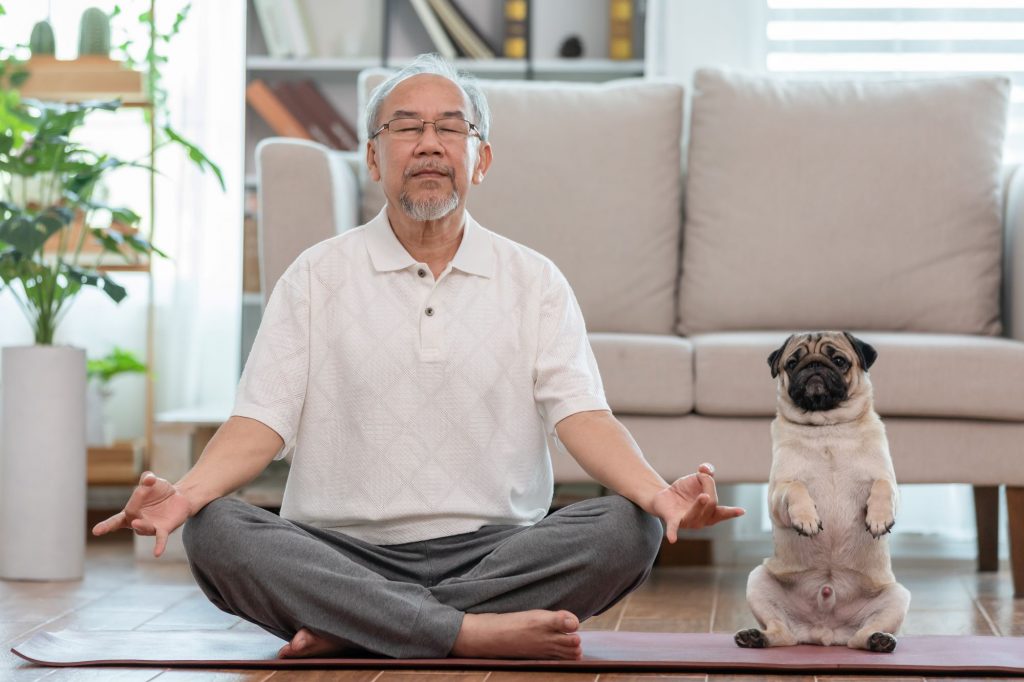
As mentioned, mindfulness and meditation provide a myriad of benefits. Let’s get more specific and learn how these practices improve your quality of life.
1. Improved Sleep
As we age, rest can become more elusive. Mindfulness and meditation practices can help calm the mind and promote relaxation, leading to better quality sleep. Incorporating mindfulness techniques into your nighttime routine can help you easily fall and stay asleep throughout the night.
2. Reduced Loneliness and Social Isolation
Retirement can sometimes lead to feelings of loneliness and social isolation, negatively impacting mental health. Mindfulness and meditation can help you connect with others since they foster feelings of compassion, empathy, and gratitude. You may find yourself more open to forming new relationships or strengthening existing ones when you do these practices.
3. Lowered Blood Pressure
High blood pressure is a common health concern among retirees, and mindfulness and meditation can effectively lower blood pressure levels. As you gain more control over your mind, you will be able to control your stress, which is one of the leading causes of high blood pressure, and relax.
These practices can reduce the risk of hypertension and control diabetes and other related health issues.
4. Increased Emotional Resilience
The post-working life can bring many changes and challenges, such as loss of identity or a sense of purpose. Mindfulness and meditation practices can increase emotional resilience and the ability to bounce back from these difficult situations.
These practices can also train you to be non-judgmental about your thoughts and feelings, allowing you to acknowledge and accept them without becoming overwhelmed or consumed. This approach can help you deal with various complex emotions that come with moving into a new stage of your life.
4 Simple Mindfulness and Meditation Exercises for Retirees

Not all retirees can do rigorous physical activities like sports. Fortunately, mindfulness and meditation exercises offer an appropriate solution. The following are some exercises that can improve your overall well-being.
1. Mindful Breathing Exercises
One of the most straightforward mindfulness exercises is to focus on your breathing. Inhale through your nose, hold it for seconds, and then exhale slowly. Repeat this several times, focusing on the sensation of the breath moving in and out of your body.
This simple breathing activity can help calm your mind and reduce stress, especially when you’re in a situation you can’t disengage from.
2. Walking Meditation
Walk slowly and mindfully, paying attention to each step and the sensations in your body as you move.
Focusing on each step and being fully present in the moment can help you let go of worries and stress and find a sense of calm and clarity. It’s a great way to recharge your batteries and balance your retirement routine.
3. Loving-Kindness Meditation
If you feel like you’re not connected to your emotions well enough, this practice involves directing feelings of love, kindness, and compassion toward yourself and others. Voicing your feelings can cultivate positive emotions and promote feelings of connection and empathy.
Focus on yourself and silently repeat phrases like “May I be happy” or “May I be at peace.” Then, extend these feelings to loved ones, acquaintances, and eventually to all beings.
As you can tell, these practices benefit not only you but also the people present in your life, whether they’re close friends or loved ones, and even strangers.
4. Mindful Eating
Mindful eating can help you become more aware of your eating habits and reduce overeating or emotional eating. Instead of unconsciously eating while watching TV or scrolling through your phone, eat quietly and focus on each bite. It’s simple enough but packs many benefits that can help you physically and mentally.
Be in Tune with Your Mind and Body
Many people assume they’ll live their best life during retirement. However, it’s not always that easy because everyone craves things that make them feel alive. Retirees especially have a more challenging time finding activities they’re capable of. Fortunately, mindfulness and meditation are excellent ways to keep your mind sharp, and your body fit, allowing you to enjoy post-working life.
Try Abide Bible Sleep Meditation

Popular Articles About Mental and Emotional Health
Originally published July 24, 2023
Author(s):