How to Prevent and Treat Age-Related Macular Degeneration
“Is macular degeneration hereditary? My mother lost much of her vision from it before she died, and now at age 65, I’m concerned I may get it too. What can you tell me?” – Brown Eyed Betty
Dear Betty, unfortunately, having a parent or sibling with macular degeneration does indeed increase your risk of getting it by three to four times. But the good news is there are things you can do to protect your eyesight and a number of treatments that are available if you do happen to get it. Here’s what you should know.
What is AMD?
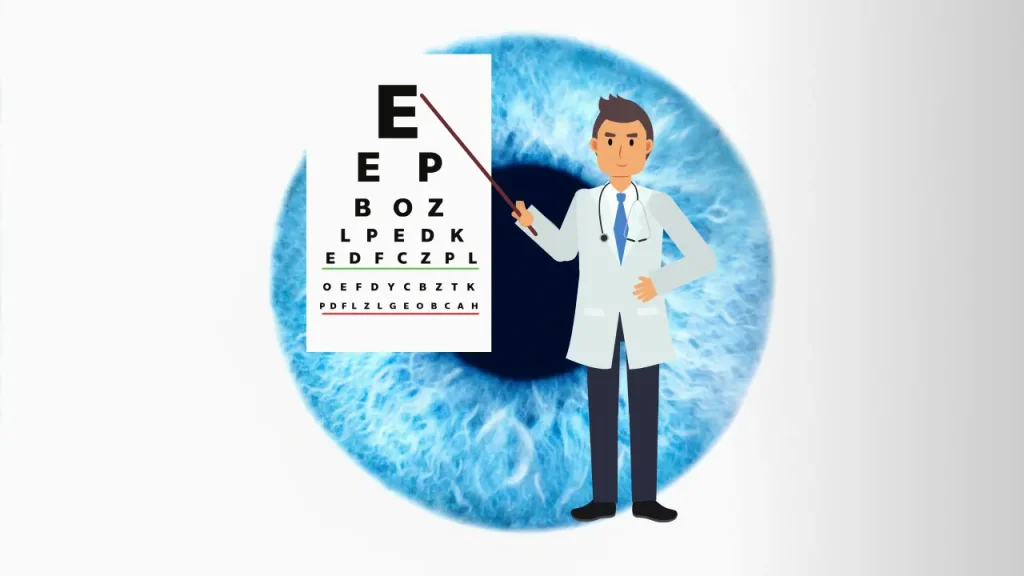
Macular degeneration, also known as age-related macular degeneration (or AMD) is the most common cause of severe vision loss in people over age 60, affecting an estimated 20 million Americans.
AMD is a progressive eye disease that damages the macula, the part of the eye that allows us to see objects clearly, causing vision loss in the center of your vision. This affects the ability to read, drive, watch television, and do routine daily tasks, but it does not cause total blindness.
There are two types of AMD – dry and wet. Dry AMD, which affects about 85% to 90% of all people who have it, progresses slowly and painlessly over a period of years.
While wet AMD is much more aggressive and can cause severe vision loss in a matter of weeks or months.
Factors that can increase your risk of getting AMD include age (60 and older); smoking; excessive exposure to sunlight (especially if you have light-colored eyes); certain genetic components; a family history of AMD; high blood pressure; obesity; and being Caucasian.
What You Can Do
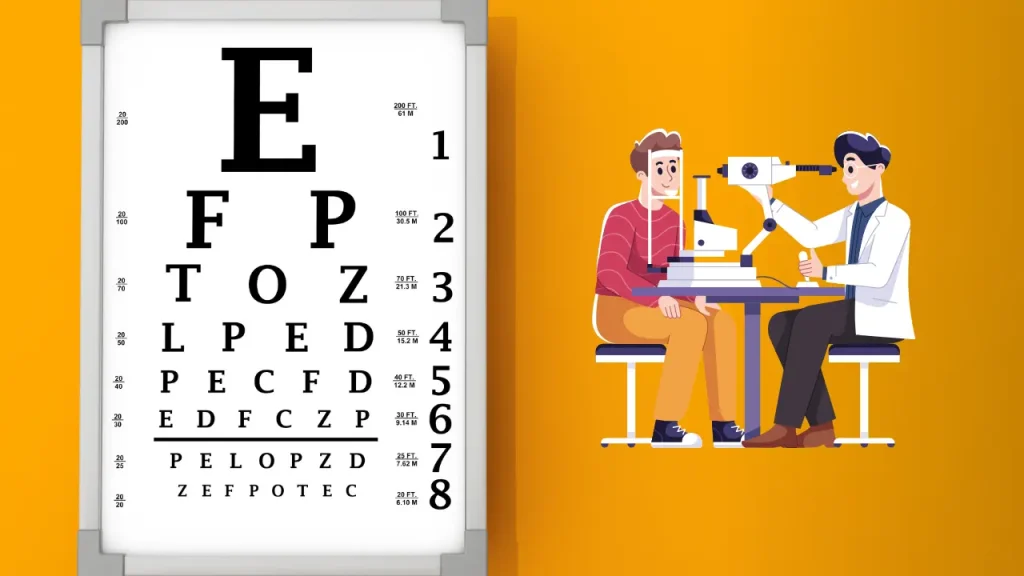
For anyone over the age of 65, it’s a smart idea to get your eyes examined by an ophthalmologist every year. They can spot early signs of AMD before vision loss occurs. Early signs, however, may include shadowy areas in your central vision or unusually fuzzy or distorted vision. The Amsler grid is also an excellent tool to check your eyes for AMD at home.
While there’s currently no cure for AMD there are things you can do if you’re high risk, including eating antioxidant-rich foods such as dark green, leafy vegetables, and cold-water fish for their omega-3 fatty acids; protecting your eyes from the sun by wearing UV protective sunglasses; controlling high blood pressure; exercising regularly; and if you smoke, quit.
Dry AMD Treatments
If you do happen to get AMD, your doctor may recommend you start taking a daily dose of antioxidant vitamins and minerals known as AREDS or AREDS2. Studies by the National Eye Institute have shown that while taking these supplements cannot prevent you from getting AMD, they can reduce your risk of progression from intermediate to advanced AMD by about 25%.
You can purchase AREDS supplements – made by Bausch and Lomb and sold as PreserVision – over the counter in many drugstores and online for around $30 a bottle.
There are also two new medications (Syfovre and Izervay) that were approved by the FDA last year to treat a late-stage form of AMD called geographic atrophy or GA. These treatments, which are given either monthly or every other month in the form of an injection into the eye, can slow the progression of GA.
Wet AMD Treatments
For wet AMD, there are several anti-VEGF medications like Avastin, Lucentis, and Eylea that can stop vision loss and may even restore it. These medications, which have been around for more than a decade, are also given by injection into the eye and repeated every month or two.
Newer anti-VEGF drugs, like Vabysmo and Eyla HD, are also highly effective but don’t require monthly treatments. Most patients on these medications can go three to four months between injections.
Send your senior questions to Savvy Senior, P.O. Box 5443, Norman, OK 73070, or visit SavvySenior.org. Jim Miller is a contributor to the NBC Today show and author of “The Savvy Senior” book.

Popular Articles About Vision and Eye Care
Originally published December 11, 2024
Author(s):