Sciatica and Back Pain: What is It and What Can You Do About It?

Sciatica is an issue many seniors ask me about, from what they can and can not do because of it, to how to get rid of it.
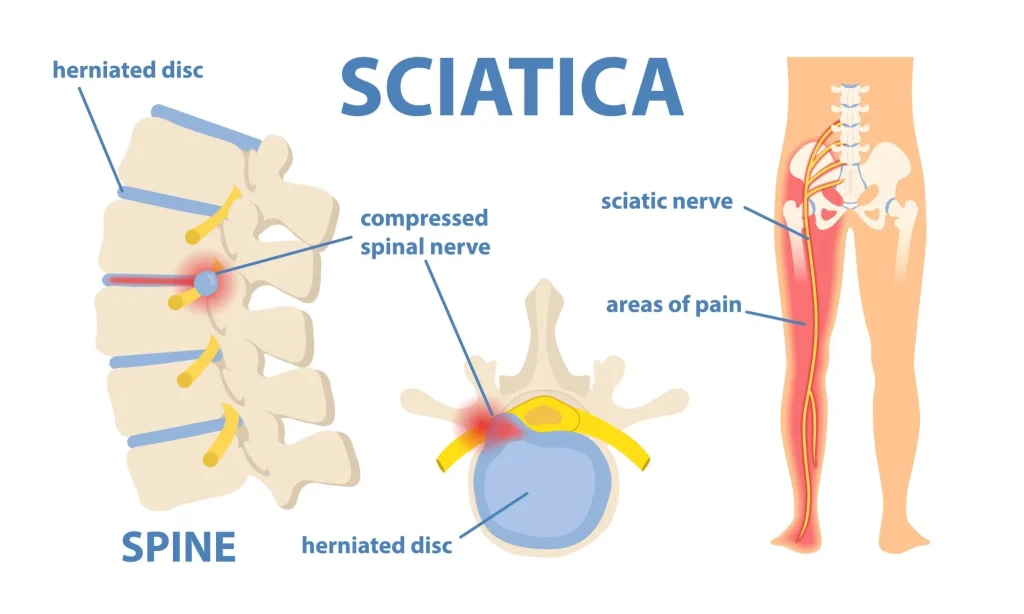
Sciatica by definition is pain affecting the back, hip, or outer side of the leg, caused by compression of a spinal nerve root in the lower back, often owing to degeneration of an intervertebral disk. So herniated disks can be the culprit, or spinal stenosis which is the narrowing of the spine which compresses part of the nerve.
From the person with the pain, it seems to vary in many ways. Sometimes movement may be the cause of the pain worsening. Numbness or weakness in the legs and feet, which has radiated from the lower back all the way down. Along with the sensation of pins and needles, and tingling in the toes and feet. Above all, I hear about excruciating pain from the lower back through the gluteals or around the hip, and down the back of the leg, or hamstring region.
So if you do suffer from sciatica, what can you do to help the pain subside?
- Cold treatments help reduce swelling and ease pain to areas. Ice packs or cold compresses work well.
- Heat is another option to help, but only after cold has been used for a couple of days to help reduce the swelling first. Then a cold and heat, switching between the two on and off.
- Stretching of the entire body will help lengthen it all out. From the spine and lower back to the glutes and hamstrings, very important to stretch out.
- Over-the-counter medications such as aspirin (only taken if possible and in small doses) or ibuprofen to help with inflammation or swelling.
- Regular exercise such as starting with low-impact activities, such as water activities and stationary cycling. Then create an exercise regimen with cardiovascular workouts, core stability, and strength training all incorporated and increasing over time.
- Physical therapy can help strengthen the core and back muscles with the support of a therapist.
- Prescription medications such as muscle relaxers can help especially when the pain is severe, but caution using over long periods.
- Alternative medications such as acupuncture, massage, and chiropractors are worth a try in conjunction with other options such as exercise.
Prevention is the best medicine. Exercise often, watch your posture, and mind how you move with twisting and bending. But when your pain arises, take it easy and listen to your body. Remind yourself that pain does not mean stop. Take it slow and easy, do what feels best, but keep moving!
Stay positive, happy, and healthy always! 💗Meredith
This article was originally published on SeniorFitnesswithMeredith.com. Used with permission.

Connect with Senior Fitness with Meredith
Join the conversation by visiting our website at seniorfitnesswithmeredith.com. There, you’ll find a growing library of free exercise videos, all our podcast episodes, and much more.
Image Credit: andreswd @ Getty Images | https://www.shutterstock.com/g/mentalmind1

Popular Articles About Pain
Originally published February 26, 2025
Author(s):