Alzheimer’s and Dementia (Page 2 of 4)
Reduce Your Risk of Dementia with These 7 Healthy Lifestyle Choices
There are currently over 55 million people, worldwide, living with dementia. Here are some positive choices you can make today to reduce your risk of developing it later in life.

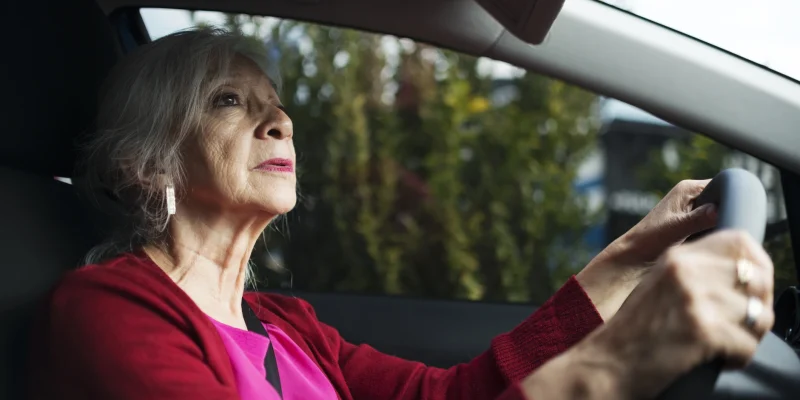
Driving with Dementia and Knowing When to Stop
When to stop driving with dementia? Learn about the signs and factors to consider for the safety of your loved one.
12 Lifestyle Changes Baby Boomers Should Make to Avoid Dementia
While dementia is more commonly associated with aging, it is not a natural part of the aging process. Many lifestyle factors can increase the risk of developing dementia, but the good news is that there are choices that can be made today to reduce that risk.

10 Early Warning Signs of Dementia
What are some early warning signs that you may be on your way to a memory disorder? Here’s what you need to know.
Alzheimer’s Vs Age-Related Memory Changes
Just because someone is experiencing changes in their memory, does not mean that they have dementia. Let’s compare some Alzheimer’s and age-related memory changes.
8 Gifts for Adults with Dementia That Will Preserve Their Dignity
If you have a loved one who has been diagnosed with dementia, you understand the challenges that come with it. That’s why we’ve put together a list of Christmas present ideas that can help alleviate some of the anxiety and agitation experienced by both you and your loved one.
5 Benefits of Home Care For Alzheimer’s Patients
If you have a loved one who needs Alzheimer’s support, here are 5 reasons to consider home care!

How to Choose a Memory Care Unit for a Loved One with Dementia
Choosing a good memory care residential unit for a loved one with dementia is a very important decision that requires careful evaluation and some homework. Here are some steps that can help you find a good facility and avoid a bad one.
10 Proactive Choices You Can Make Today to Avoid Dementia
There are some proactive choices you can make for yourself today to help lower your risk factors for developing dementia in your senior years. Here are 10 you should consider making.
5 Home Safety Tips for Aging-in-Place with Alzheimer’s
For seniors with the disease, once minor tasks become challenging and everyday appliances or decor may pose new safety risks.
Alzheimer’s Drug Downer
People with Down syndrome have the highest prevalence of developing Alzheimer’s disease. Roughly 30% are diagnosed with the neurological condition by their 50s. They have over a 90% chance of developing dementia from Alzheimer’s in their lifetime.

Can Adult Education Classes Help Lower Your Risk of Developing Dementia?
If you’re an older adult who wants to learn more about the link between education and dementia, here’s how taking classes as a senior can benefit you.

5 Helpful Truths about Loving through Alzheimer’s
Caregiving is a burden of love, but the burden can still feel hard. Here are 5 helpful truths about loving through Alzheimer’s.

How to Talk to Someone with Alzheimer’s or Other Types of Dementia
Whether it’s a friend or family member, odds are, you might know someone who is struggling with Alzheimer’s or another form of dementia. Besides knowing how to care for them, learning effective communication is important too. Here’s everything you should know.
What is Sundowning? 7 Essential Things You Need to Know
Sundowning, also known as sundown syndrome, is a group of behavioral changes that can occur in people with dementia, especially Alzheimer’s disease. These changes typically begin in the late afternoon or early evening and worsen as darkness falls. Here’s what you need to know.


Why Most Alzheimer’s Patients Are Women

Understanding the Different Types of Dementia

Seniors in These 10 States Have the HIGHEST Alzheimer’s Rates

Free Senior Resources