Alzheimer’s and Dementia
Why Most Alzheimer’s Patients Are Women
According to Harvard Health, of the 6.2 million older Americans with Alzheimer’s, almost two-thirds are women. To put that number into perspective, that means that twice as many women have this disease as men! But why?

Understanding the Different Types of Dementia
What are the types of dementia? And what should you do if you think you’re in the grips of cognitive decline?

Seniors in These 10 States Have the HIGHEST Alzheimer’s Rates
While older adults all across America suffer from this condition, there are a few states where the numbers reported are higher. Here’s what you need to know.

How Do You Know if You’re at Risk for Alzheimer’s?
If you’re an older adult, you might be wondering if you’re at risk for Alzheimer’s disease. Are there risk factors beyond age? Is there anything you can do to protect your brain health?

15 Simple Lifestyle Changes to Protect Your Brain Health
Brain disorders, like dementia and Parkinson’s disease, affect billions across the globe. Fortunately, there are easy ways to keep our brains healthy!

10 Easy, Stimulating Activities for Seniors With Memory Loss
Here are the 10 BEST stimulating activities for seniors with memory loss.

10 Unusual Signs of Dementia That Most Older Adults Miss
Family caregivers and seniors often expect the big red flags—forgetting names, getting lost in familiar places, wandering—but dementia can start with subtle, unusual symptoms that are easy to write off.

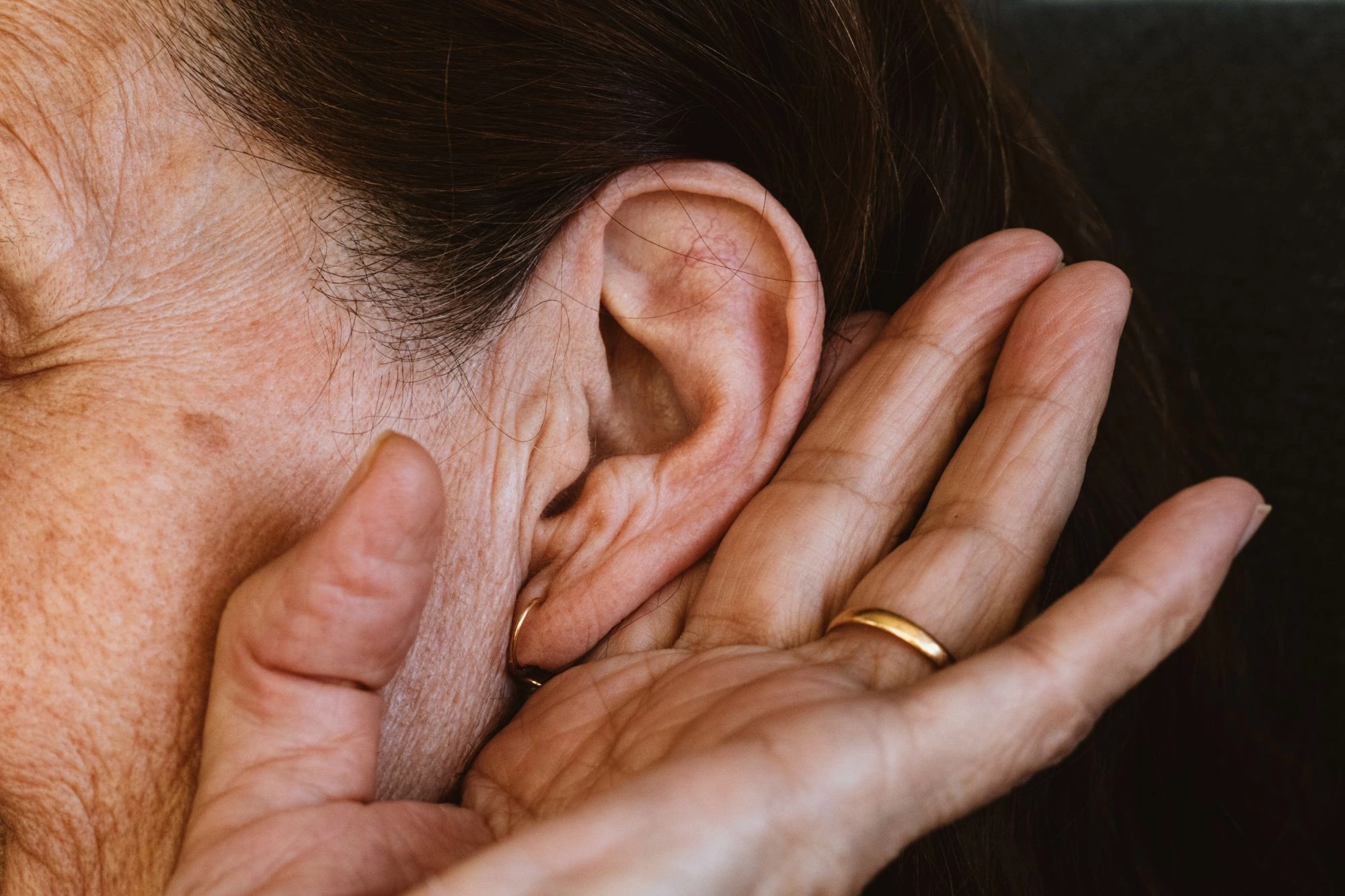
10 Ways Hearing Loss Could Increase Dementia Risk in Seniors
Learn more about the SURPRISING link between hearing loss and an increased risk of dementia in seniors.
The Importance of Maintaining Daily Routines for People with Dementia
Too often, as care partners, we step in and take over tasks for the people we support. It might be because the task frustrates them, they make a mistake, or it takes them much longer than it would if we just did it ourselves. While our intentions are good – wanting to make their lives (and ours) easier – in reality, we may unintentionally cause more harm than good.

12 Positive Lifestyle Changes That Improve the Stages of Dementia
While there’s no cure for Alzheimer’s or dementia, I frequently witnessed patients who incorporated some lifestyle changes and seemingly slowed the progression of the disease. These are some of the strategies I suggested.

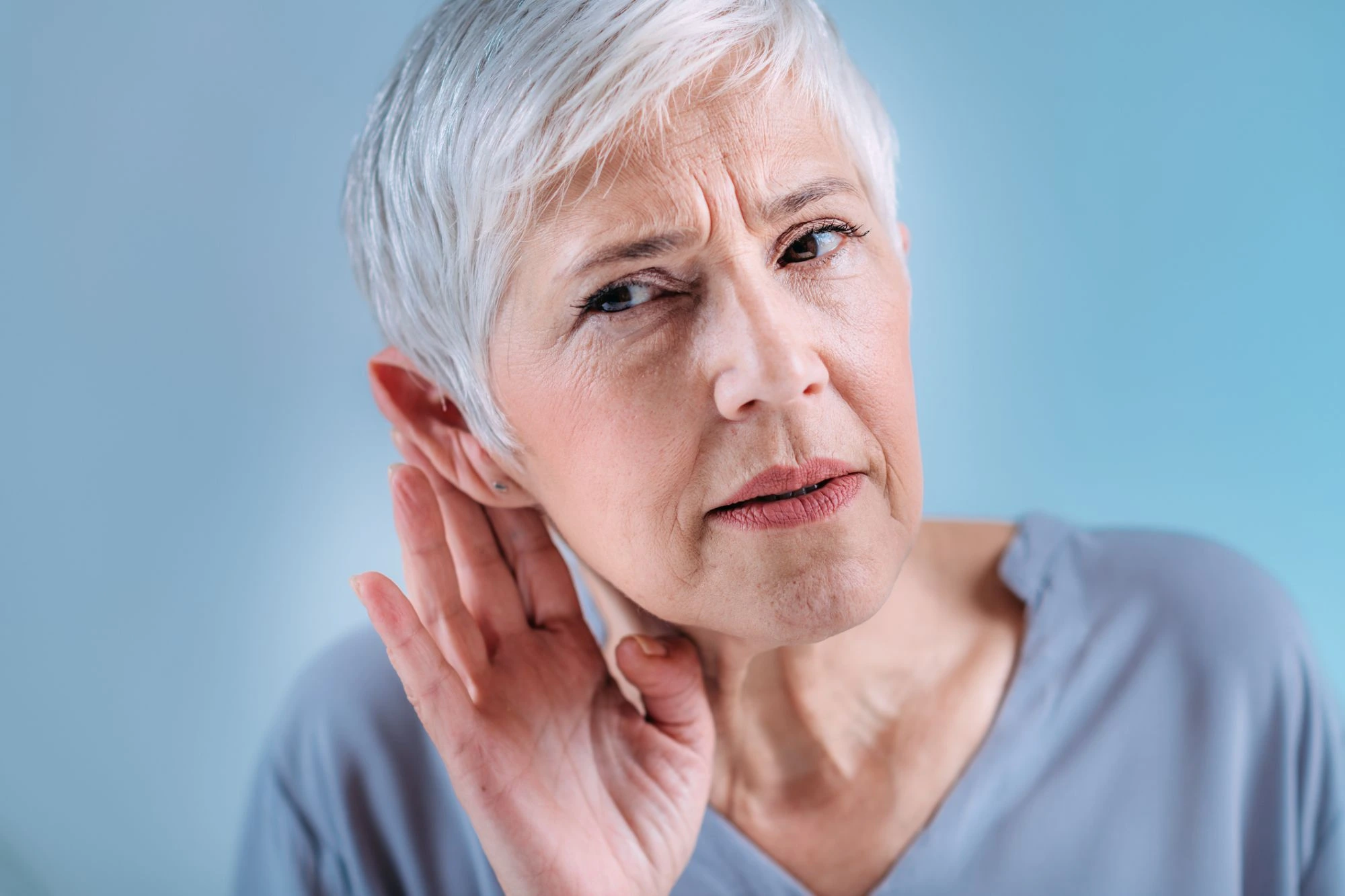
Can Hearing Loss Lead to Dementia? Here’s What Experts Say
Learn how hearing loss can lead to dementia and discover the connection between auditory health and cognitive function.
When to Worry About Your Memory
As we grow older, some memory difficulties – such as forgetting names or misplacing items from time to time – are associated with normal aging. But the symptoms of dementia are much more than simple memory lapses.

Why Choose Memory Care Over Assisted Living?
It’s a decision weighted with love, and choosing the right option can create a world of difference for your loved one.

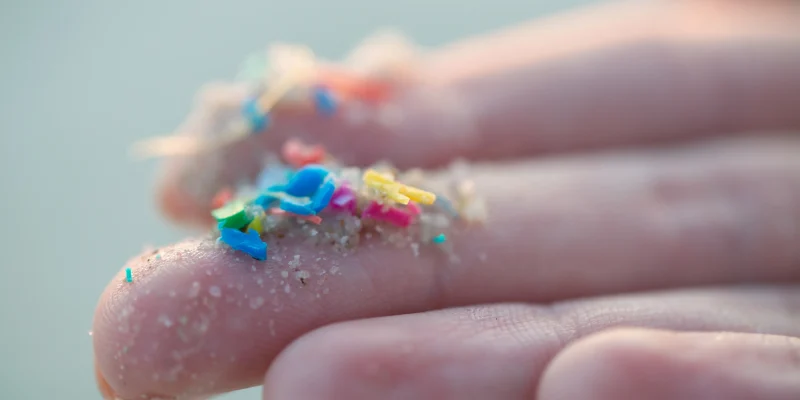
Microplastics Found in Human Brains Linked to Dementia
Tiny pieces of plastic are invading our brains, posing alarming risks we’re only beginning to understand. New research from the University of New Mexico Health Sciences reveals microplastics are not just everywhere in our environment but also in human brain tissue, with levels soaring dramatically in dementia patients. Could these invisible pollutants be fueling a hidden health crisis?
Senior Resource Glossary of Alzheimer’s and Memory Care Terms
Let’s learn all the common phrases and definitions associated with memory care.
Why Most Alzheimer’s Patients Are Women
Understanding the Different Types of Dementia
Seniors in These 10 States Have the HIGHEST Alzheimer’s Rates

Free Senior Resources