Health Conditions (Page 2 of 2)
Are You at Risk for Kidney Disease?
According to the Center for Disease Control and Prevention, around 37 million U.S adults have chronic kidney disease, and millions more are at risk of developing it, yet most people don’t realize it.

7 Stroke Risk Factors You Can Control Today
Sure, some risk factors—like age and family history—really can’t be changed, but there are plenty of things we can do today to lower our risk. Here are some things to start doing today.

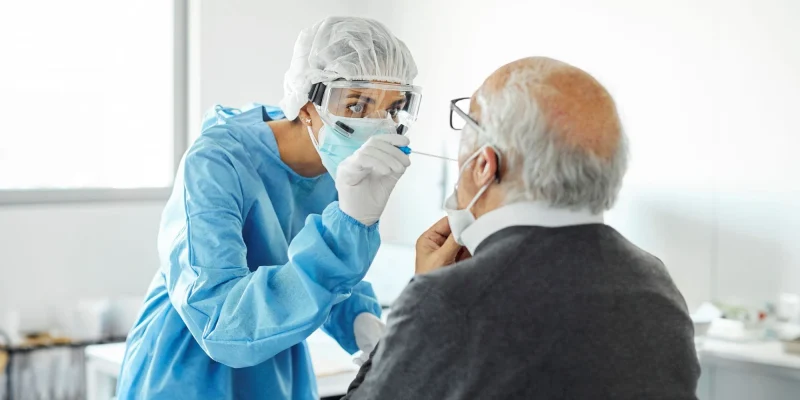
Coronavirus Versus Flu: How to Tell the Difference
Flu season is upon us! Here are the differences between coronavirus and flu symptoms.
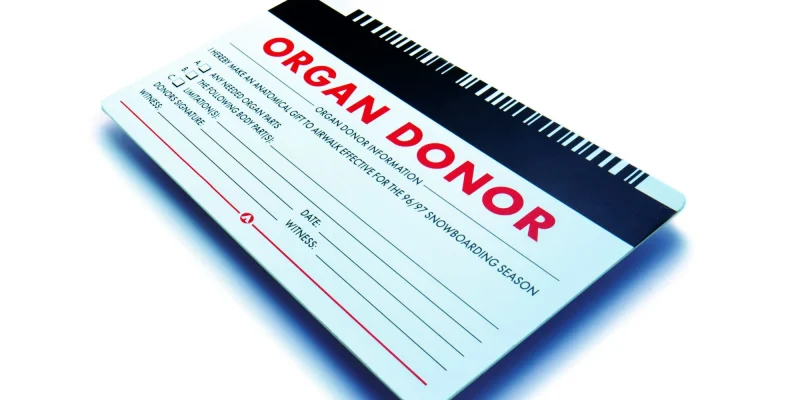
Do You Have a Donor Card?
Since the number of people who need a transplant is rising faster than the number of organ donations, an average of 22 Americans die each day waiting for a transplant.
Stroke 101
Every now and then, I can’t help but feel that the universe is nudging me to address a particular topic. Here’s what you need to know about strokes.

Hemianopia: Symptoms, Causes, Treatment, and More
Hemianopia, sometimes referred to as hemianopsia, is a condition characterized by the partial loss of vision in half of your visual field. Here’s what you need to know.
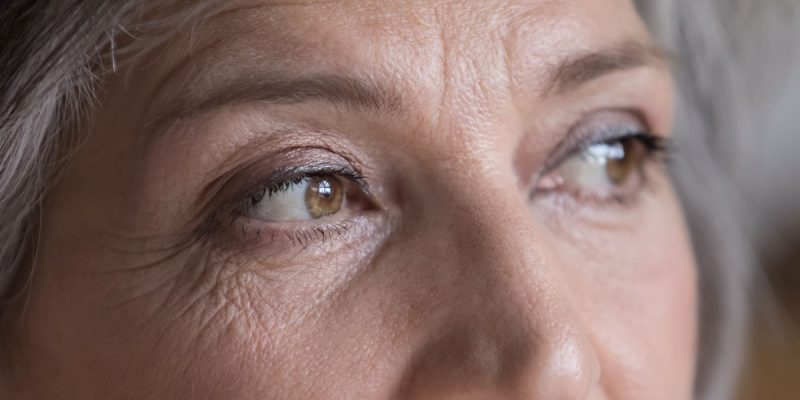
Navigating Parkinson’s Disease
On this episode of Next Steps for Seniors, we’re talking about the complexities of Parkinson’s disease, a rapidly growing neurodegenerative condition, with a panel of experts from the Michigan Parkinson’s Foundation.

Abdominal Aortic Aneurysms and How to Protect Yourself
While you don’t hear much about them, abdominal aortic aneurysms are very dangerous and the 10th leading cause of death in men over 55.
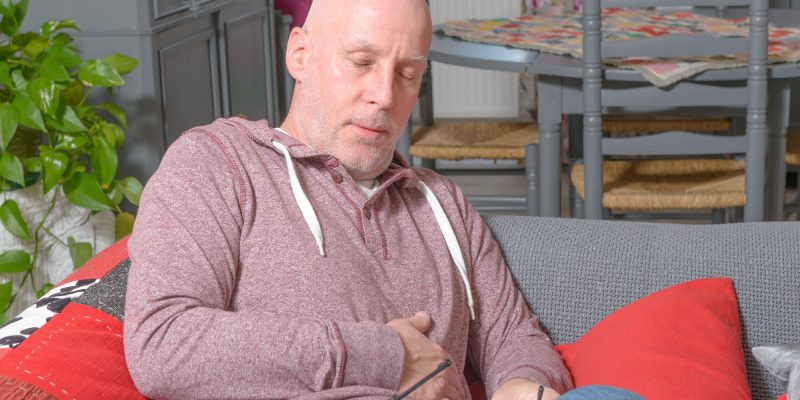
Could I Have COPD and Not Know It?
Many people mistake shortness of breath as a normal part of aging, or a result of being out of shape, but that’s not necessarily the case.
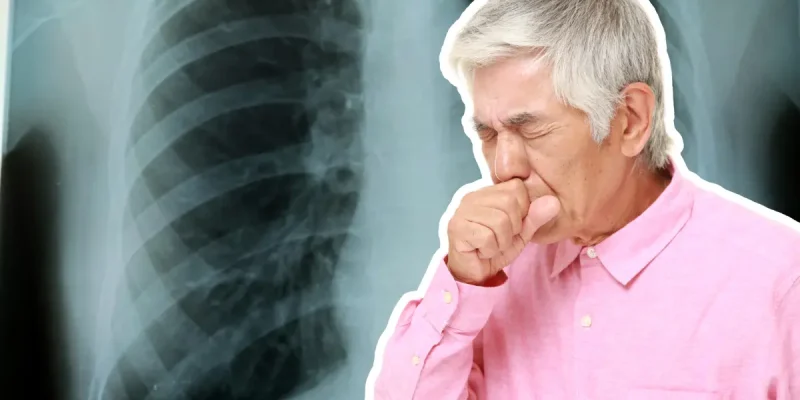
How to Love Your Spouse through Chronic Illness
Most traditional marriage vows include the phrase, “in sickness and in health.” But what if the sickness is worse than you bargained for?
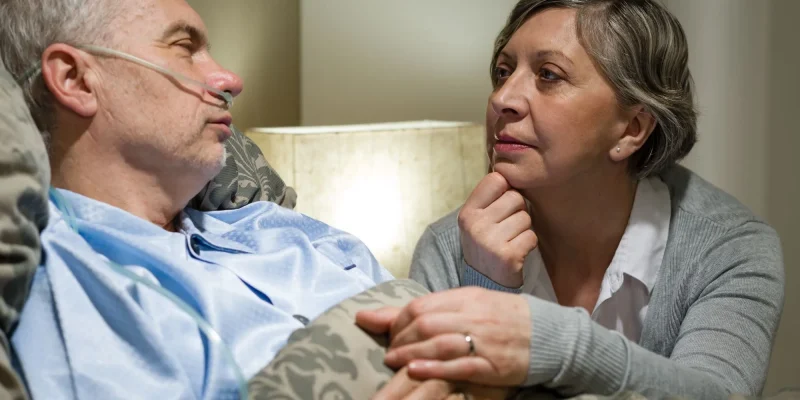
How to Recognize a Mini-Stroke and What to Do
Each year, around 250,000 Americans have a mini-stroke, but less than half of them realize what’s happening. Here’s what to know.

Can COVID-19 Cause Shingles?
Many healthcare professionals across the country have been urging their older patients to get the shingles vaccine. Here’s everything you need to know.


Top 10 Most Common Health Issues Seniors Face

How Seniors Can Prevent Foot Pain: 6 Tips & Expert-Backed Advice
13 Starbucks Drinks You Should NEVER Order

Free Senior Resources