How to Recognize and Stop Elder Abuse in the COVID Era
How to Recognize and Stop Elder Abuse in the COVID Era
Elder abuse is a big problem in the United States that has escalated during the COVID-19 pandemic. According to the National Council on Aging, as many as 5 million seniors are victims of abuse each year, but studies suggest this crime is significantly under-reported. Only 1-in-14 cases of elder abuse ever get reported to the authorities because victims are usually too afraid, too embarrassed, too helpless, or too trusting to call for help.
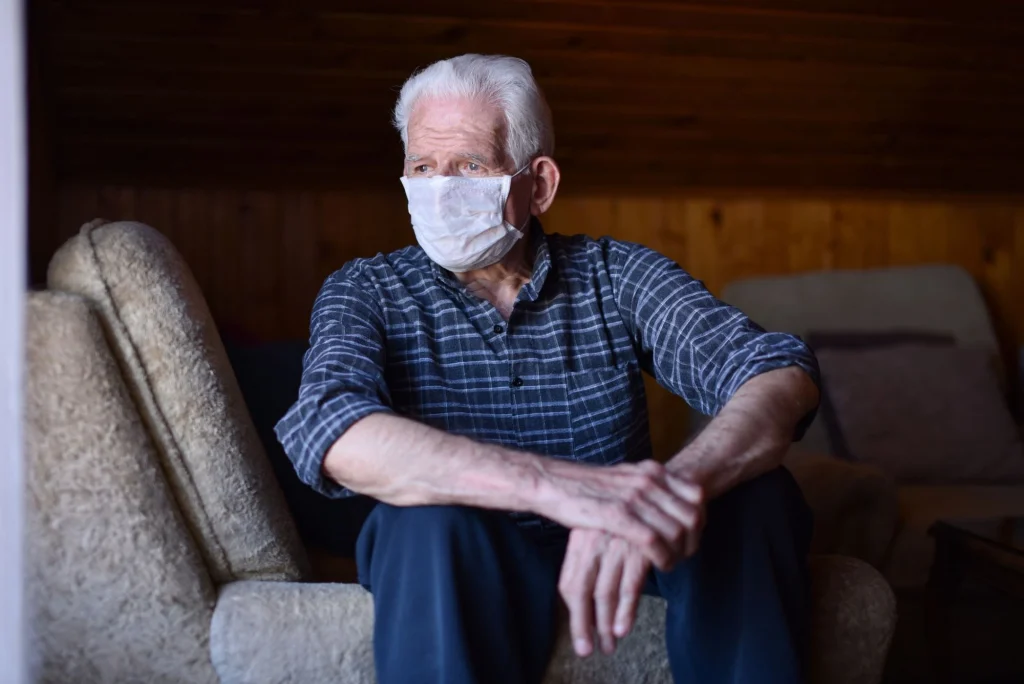
The term elder abuse is defined as intentional or negligent acts by a caregiver or trusted individual that causes or can cause harm to a vulnerable senior. Elder abuse also comes in many different forms: emotional, psychological, physical, or sexual abuse, abandonment, neglect and self-neglect, and financial exploitation.
Those most vulnerable are seniors that are ill, frail, disabled, socially isolated, or mentally impaired due to dementia or Alzheimer’s disease.
It’s also important to know that while elder abuse does happen in nursing homes and other long-term care facilities, the vast majority of incidents take place at home where the senior lives. And tragically, the abusers are most often their own family members (usually the victim’s adult child or spouse) or caregivers.
How to Recognize Abuse
So, how can you tell if an elderly relative or friend is being abused, and what can you do to help?
A change in general behavior is a universal warning sign that a problem exists. If you notice that your relative or friend has become very depressed, withdrawn, or gets upset or agitated easily, you need to start asking questions. Here are some additional warning signs on the different types of elder abuse that can help you spot a possible problem.
Physical or Sexual Abuse
Suspicious bruises or other injuries that can’t be explained. Sudden changes in behavior (upset, withdrawn, fearful). Broken eyeglasses. Caregiver’s refusal to allow visitors to see an elder alone.
Neglect or Self-Neglect
Weight loss, poor hygiene, unattended medical needs, and unsanitary, unsafe living conditions.
Emotional or Psychological Abuse
The senior is extremely upset, agitated, withdrawn, unresponsive, fearful, depressed, or demonstrates some other unusual behavior.
Financial Exploitation
Missing money or valuables. Unexplained withdrawals from bank accounts, or transfers between accounts. Unauthorized use of credit, debit, or ATM card. Unpaid bills despite available funds. Checks written as a loan or gift. Abrupt changes in a will or other documents.
What to Do
The best ways to help stop elder abuse are to be in touch and keep the lines of communication open. If you suspect any type of abuse or neglect in your relative’s or friend’s home, report it to your local protective services agency.
Adult Protective Services is the government agency responsible for investigating elder abuse cases and providing help and guidance. Call the Eldercare Locator at 800-677-1116 to get the agency contact number in your area.
The agency will ask what you observed, who was involved, and who they can contact to learn more. You don’t need to prove that abuse is occurring; it is up to the professional.
Or, to report suspected abuse in a nursing home or assisted living facility, call the local Long-Term Care Ombudsman – see LTCombudsman.org for contact information.
If, however, you feel the person is in immediate danger, call 911 or the local police for immediate help.
Elder Law Attorneys
Find an elder law attorney near me.
Send your senior questions to Savvy Senior, P.O. Box 5443, Norman, OK 73070, or visit SavvySenior.org. Jim Miller is a contributor to the NBC Today show and author of “The Savvy Senior” book.

Popular Articles About Elder Law & Estate Planning
Originally published September 14, 2022
Author(s):