The Surprising Dangers of Earwax
“I’ve heard that excessive earwax can cause serious health problems in elderly seniors. What can you tell me about this?” –Caregiving Daughter
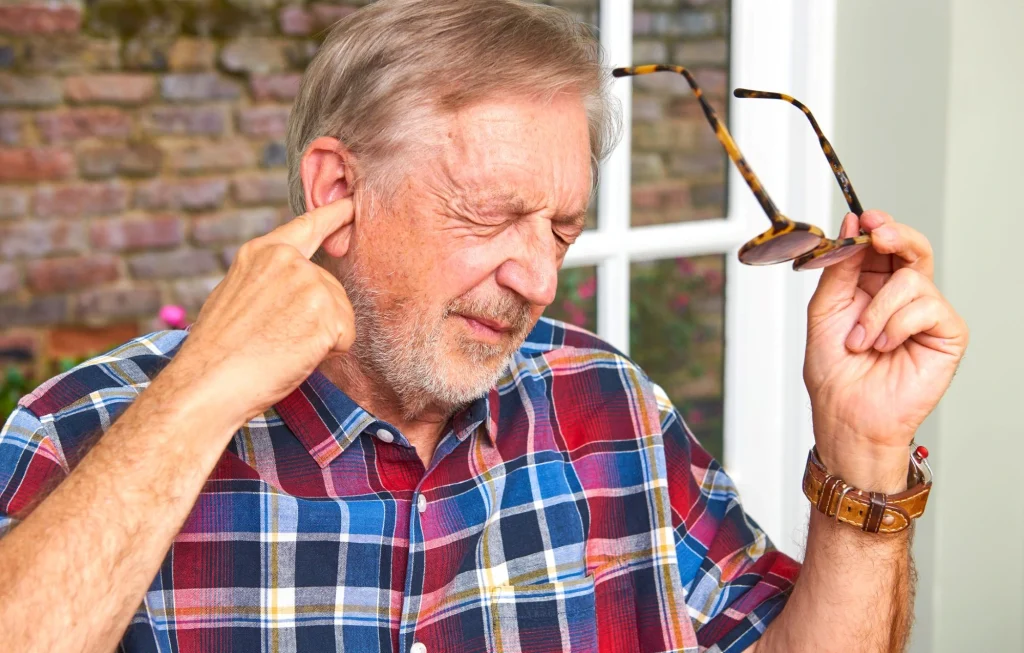
Dear Caregiving, it’s true! Excessive amounts of earwax can indeed cause problems in elderly seniors including hearing loss or ringing in your ears. Some people experience vertigo, which increases the risk of falling. And there’s also a correlation between hearing loss and cognitive decline and depression.
Earwax—which is not really wax at all, but a substance called cerumen that binds with dirt, dust and debris—is normally produced by the body as a way to clean and protect the ears. In most people, the self-cleaning process works fine. But in others, including more than 30 percent of elderly people, the wax collects to the point where it can completely block or impact the ear canal.
Those that are most affected are elderly seniors, especially those living in nursing homes or assisted living centers that provide substandard hygiene. And those highest at risk are hearing-aid users because the devices push wax down into the canal.
Earwax Removal
Usually, earwax moves up and out on its own so the best way to control it is to leave it alone. But that advice can backfire for those who accumulate excessive amounts of earwax.
The symptoms of an earwax problem can include:
- An earache
- A feeling of fullness in the ear
- Hearing loss
- Tinnitus
- Dizziness
- An ear infection
- Ear itchiness, or
- Cough due to pressure from the blockage stimulating a nerve in the ear.
If you or your elderly loved ones experience any of these symptoms, try using a softening agent to help the wax leave the ear or to remove it more easily.
If you prefer the natural route, try baby oil or mineral oil.
- Using an eyedropper, apply a drop or two into your ear, tilting your head so that the opening of the ear is pointing up toward the ceiling.
- Stay in that position for a minute or two to let the fluid flow down to the waxy buildup.
- Then tilt your head in the opposite direction to let the fluid and wax drain.
Or try an over-the-counter earwax removal solution or kit, which are sold in most pharmacies. Solutions may contain oil or hydrogen peroxide, and some kits include a bulb syringe that you squeeze to flush your ear with warm water, if needed.
You may need to repeat this wax-softening and irrigation procedure several times before getting rid of the excess earwax. If, however, the symptoms don’t improve after a few treatments, you need to see an audiologist or ear, nose and throat (ENT) doctor to have the wax removed.
Earwax removal is one of the most common ENT procedures performed. They have a variety of tools that can remove hard, stubborn earwax.
It might be tempting to poke a cotton swab, bobby pin, pencil or finger into your ear to get the gunk out, but don’t go digging. Yes, it’ll remove some of the wax, but it may also push the rest deeper into the ear canal and increase your risk of injuring your eardrum and making the problem worse.
Send your senior questions to Savvy Senior, P.O. Box 5443, Norman, OK 73070, or visit SavvySenior.org. Jim Miller is a contributor to the NBC Today show and author of “The Savvy Senior” book.
This post contains affiliate links that provide a small commission without any added cost to the user.
Images: Peter Dazeley / Getty Images

Popular Articles About Hearing
Originally published February 10, 2025
Author(s):