Sleep
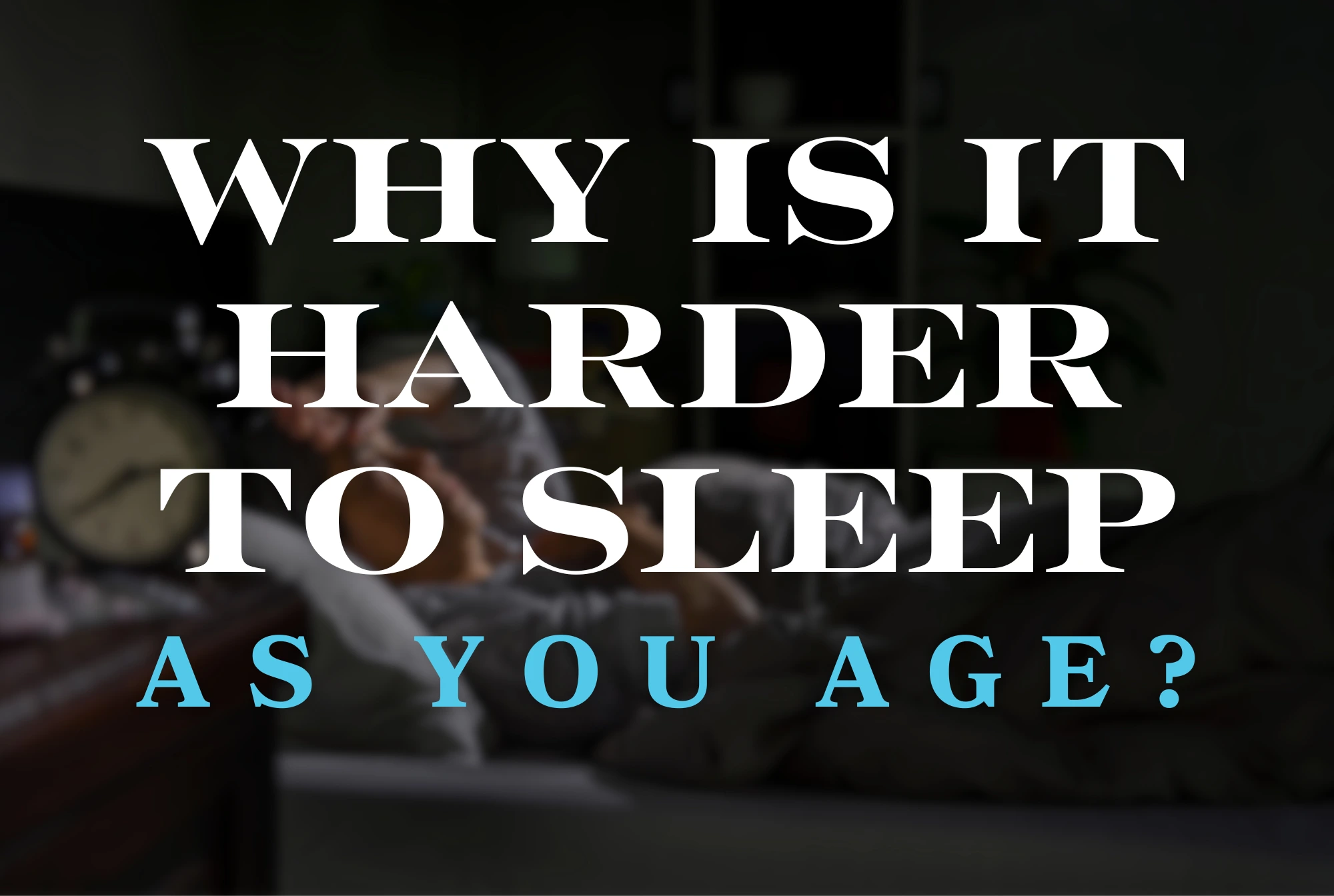
Why Is It Harder to Sleep As You Age?
Some might feel that these slumber-related challenges are inevitable as you age. However, older adults still need 7 to 9 hours of sleep per night!
11 Secrets To Better Sleep as You Age
If you’re a senior struggling with sleep, you’re not alone. 50% of older adults complain about sleep issues.
6 Healthy Nighttime Routines to Establish for Better Sleep
Nighttime can be challenging for many different reasons. I believe the key to establishing better bedtime routines is finding ways to involve God in those couple of hours leading up to bedtime.
Do You Have Insomnia?
Almost half of adults age 60 and older experience insomnia, a form of sleep deprivation that can last anywhere from days to weeks to months. Here’s why.
5 Secret Benefits of a Good Night’s Sleep for Seniors (Plus 5 Ways to Fall Asleep Faster!)
Sleep provides our bodies with the opportunity to rest and replenish energy. Without it, you could experience various problems like depression, irritability, memory issues, difficulty concentrating, an increased risk of accidents, and a general decrease in the quality of everyday life.
No-Cost Ways to Drift Off to Sleep That Don’t Involve Sheep
Ah, sleep – that elusive friend we all need but sometimes can’t seem to find. I don’t know about you, but I’ve spent plenty of nights staring at the ceiling, wondering why my brain insists on replaying every awkward thing I’ve ever done instead of letting me snooze. The good news? You don’t need fancy gadgets, pricey pillows, or lavender-scented contraptions to get some shut-eye.
Best CPAP Alternatives for Sleep Apnea
Many people have difficulty tolerating CPAP and don’t stick with it. But CPAP machines have become smaller and quieter, with more comfortable options available. And for some people with mild to moderate OSA, less invasive alternatives to CPAP may be worth considering. Here are several to ask your doctor about.
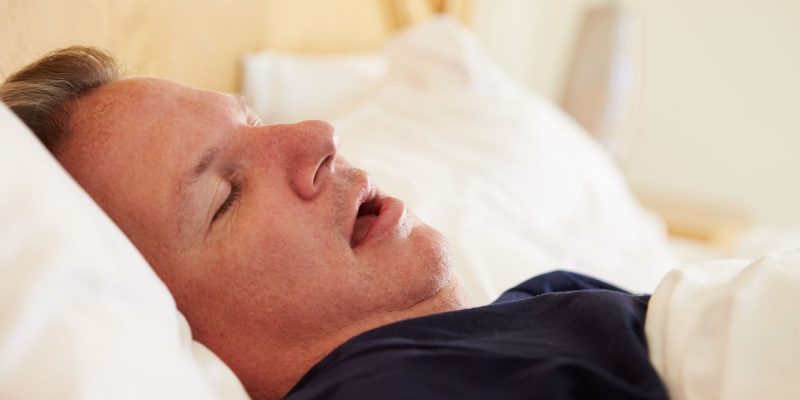
Sleep-Wake Cycle Running Off the Rails
You say you’re desperate to enjoy a better night’s sleep? Know that a lot of folks are right there with you. According to a recent survey by the Sleep Foundation, “more than a third of U.S. adults slept worse in 2023” than they did in previous years, even though people are spending lots of money trying to achieve more satisfying shuteye, spurred on by “more awareness of how poor sleep impacts physical and mental health.”
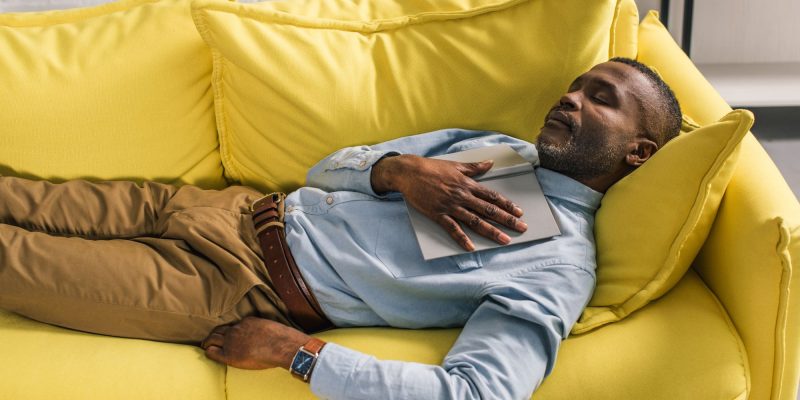
Sweet Dreams
If the amount of sleep you’re getting varies by more than an hour day-to-day, you may be at a higher risk for type 2 diabetes, according to a new study published in Diabetes Care.
Do I Have Sleep Apnea?
Let’s take a look at one common, though underdiagnosed condition affecting Boomers, sleep apnea.
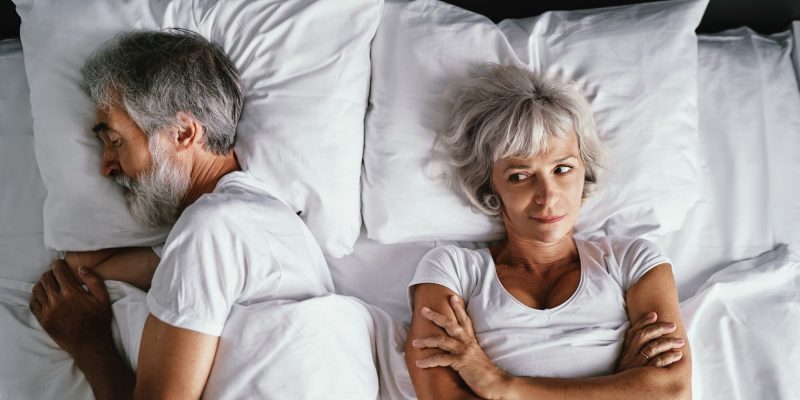
The Hidden Dangers of Sleep Apnea
If your spouse is a loud snorer who wakes themself up during sleep, they probably need to be tested for sleep apnea, a dangerous disorder that affects more than 22 million Americans, but often goes undiagnosed.

Free Senior Resources