Heart Health (Page 2 of 2)
Boomers, Don’t Ignore These 5 Signs of Cardiovascular Disease
One in three deaths of older adults is caused by heart disease. It’s important to identify the warning signs of cardiovascular disease to prevent it from progressing and continue living a healthy life.
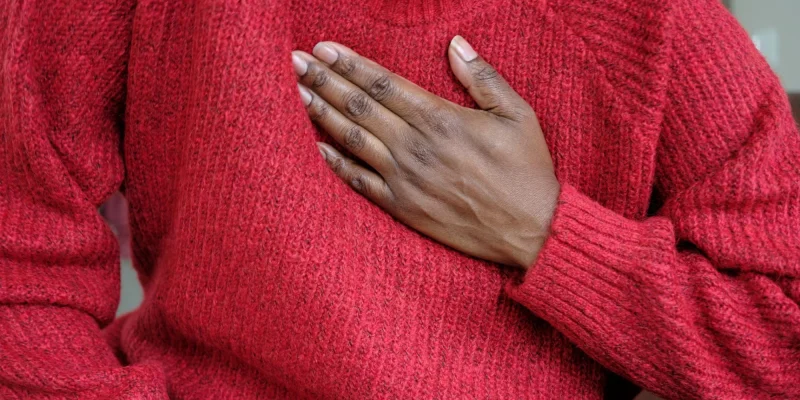
Helpful Advice for Senior Cardiac Patients on Surgery and Recovery
Cardiac surgery is a life-altering experience, especially for senior cardiac patients who confront unique obstacles both before and after the treatment.

Be Wary of Winter Heart Attacks
Everyone knows winter is cold and flu season, but many don’t know that it’s also the prime season for heart attacks too, especially if you already have a heart condition or have suffered a previous heart attack. Here’s what you should know, along with some tips to help you protect yourself.
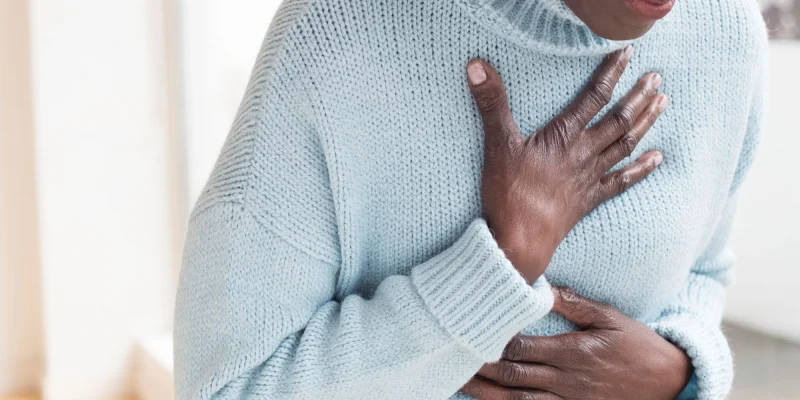
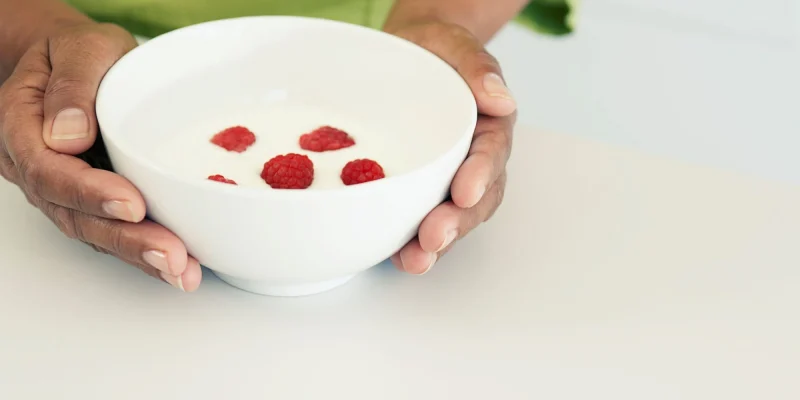
Yogurt for Lower Blood Pressure
It’s the holiday season, and your blood pressure may be rising—maybe it’s the holiday stress; maybe it’s the relatives. But whatever the reason, having a little yogurt every day may help lower your blood pressure.
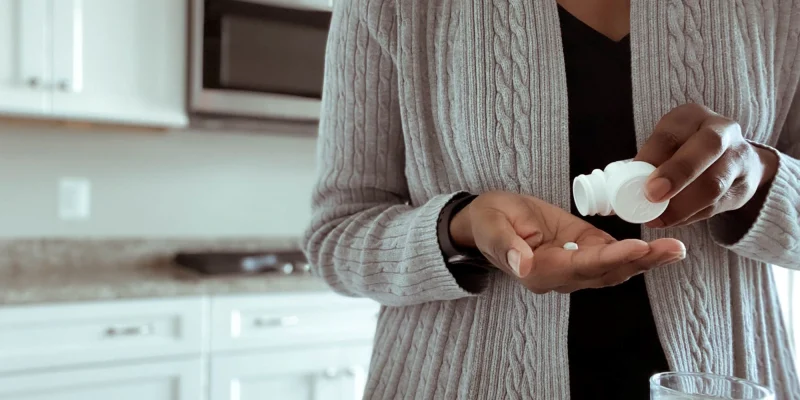
Should You Take Daily Aspirin for Your Heart?
If you don’t have heart disease, should you take it as a preventative measure? The answer for most people is probably not.
Heart-Healthy Coffee
Here’s happy news for coffee drinkers: Up to 3 cups a day may be beneficial for your heart. But there’s a catch – if you’re adding sugar and cream, coffee’s benefits may be canceled out.

The Deadly Truth About Atrial Fibrillation
Heart palpitations can be harmless if they are brief and infrequent. But if you’re experiencing an erratic heart rhythm, you need to get checked out by a doctor for atrial fibrillation, or AFib.

How to Care for a Loved One with Heart Failure
Caring for someone with heart failure involves more than just monitoring vital signs. It requires emotional support and sympathy, as well. Here’s everything you need to know.
Life Lessons Learned From an Unexpected Triple Bypass
Within a few short hours, I found myself in the back of an ambulance headed to an intensive care unit. The very next day, I awoke from a triple bypass.


The Hidden Danger of Untreated Heartburn

The Journey of Life: A Boomer’s Perspective

13 Reasons to Stay Positive in Your Senior Years

Free Senior Resources