Health & Wellness (Page 22 of 26)
Getting Enough Fiber?
A new study finds that American adults continue to fall short of their daily fiber needs. The study looked at data from more than 14,000 adults over five years. Only 7.4% met the Institute of Medicine’s recommendation of 14 grams of fiber for every 1,000 calories consumed. We need anywhere from 25 to 38 grams of fiber per day, depending on our gender (men need more) and calorie intake.

10 Effective Strategies for Healthy Grieving
Experts say there are typical patterns of grief, but anyone who has tasted deep sorrow knows the stages fluctuate and often repeat.

Moving Away from Ultra-Processed
The recommendation is to eat fewer ultra-processed foods and more whole, minimally processed foods. Here’s how!

Calling All Healthy People!
In the last half of 2023, it was estimated that 76% of adults and 87% of children lived in homes that did not have a landline telephone but did have at least one cellphone.
That may bode well for mobility and such, but in terms of health, recent data suggests that people who live in wireless-only homes are less likely to have health insurance or a regular place to go for medical care, and are more likely to face financial barriers to care.

Red Flags Go Up on Our Social Media Obsession
The impact the internet and social media have on modern society is clear, troubling, and seemingly ever-increasing. The influence that it may have on our brains is now a central topic of investigation.

Why You Don’t Want to Be a Couch Potato
It’s no secret that whatever our age happens to be, physical exercise is essential.
But that’s not the only reason why we should exercise.

Your Aging Brain
In this episode of Next Steps 4 Seniors: Conversations on Aging, host Wendy Jones is joined by Dr. Ana Daugherty, Director of the Detroit Aging Brain Study (DABS) at Wayne State University’s Cognitive Neuroscience of Aging Lab. Together, they explore the intricate journey of how our brains change as we age and what we can do to maintain cognitive health.

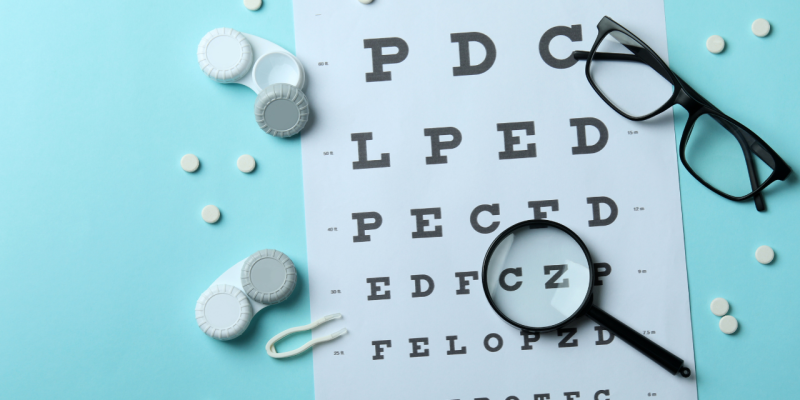
Were You Diagnosed With Cataracts? Here’s What to Expect
Just diagnosed with cataracts? Feeling unsure of what comes next? Understanding the process can ease your anxiety and prepare you for the journey to better vision. Here’s what to expect as you move forward with cataract management.
The Many Unrecognized Impacts of Trauma
No matter how you look at it, the experience of trauma can potentially have a long-term effect on a person’s well-being. A case can be made that it represents a more present and powerful force than we may realize.

Body of Knowledge
The average person ingests approximately 100 milligrams (0.003 ounces) of dust and dirt each day. Doesn’t sound like much, but in an average lifetime, it adds up to six pounds.

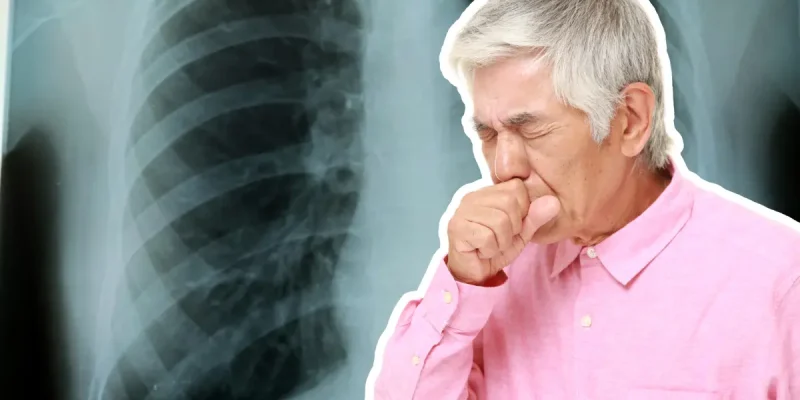
Could I Have COPD and Not Know It?
Many people mistake shortness of breath as a normal part of aging, or a result of being out of shape, but that’s not necessarily the case.
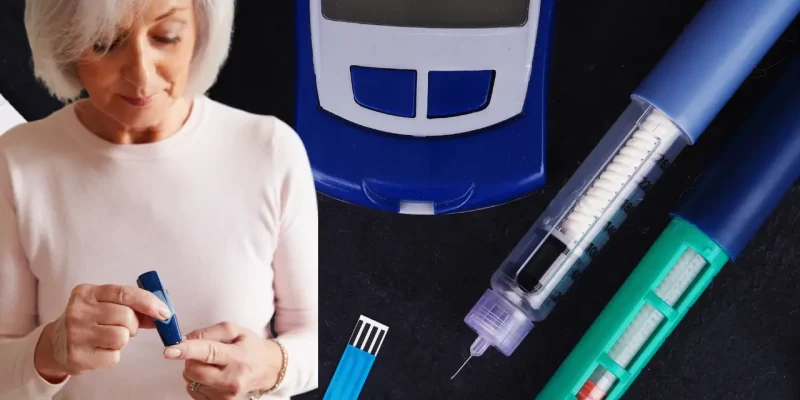
Does Medicare Pay for Diabetic Supplies Like Test Strips and Lancets?
“I am diabetic and usually get my supplies from a mail-order program through my employer’s benefits. Recently, I’ve been laid off and had to enroll in Medicare. I received a letter stating that my supplier will no longer be covered by Medicare because it’s not a “competitive bidding” supplier. Does this mean that if I continue with my current supplier Medicare will stop paying?”
How to Find Reliable Health Information Online
How can you tell if the health info on a website is trustworthy? There’s an overwhelming amount of advice out there today and it can be hard to tell what’s credible.

Pill Splitting: When It’s Safe, and When It Isn’t
The reason pill splitting is such a money saver is because of the way drugs are manufactured and priced. But is it safe?

Toby Keith and 8 More Beloved Celebrities Who Lost Their Battle with Cancer
The entertainment industry is no exception to those who have been deeply affected by the relentless grip of cancer. With the recent passing of country music icon Toby Keith on February 5, 2024, we’re reminded once more of the relentless nature of the disease.




Free Senior Resources