Mental and Emotional Health (Page 4 of 5)
Why Social Interaction is Essential
When the American Academy of Neurology examined the relationship between dementia, socialization, and stress, it discovered that “people who are socially active and not easily stressed may be less likely to develop dementia.” Since it is estimated that as many as 1 in 7 Americans over the age of 71 have dementia, these findings are important.

How to Not Be Grumpy
For the past 10 years, psychologists and researchers have spent a lot of time focusing on the physiology of facial expressions and their impact on our emotions. In one study, getting subjects to imitate a given emotional expression “with the muscles of their faces” actually created that precise emotional state. As certain expressions stimulate facial muscles to relax or tighten, they raise or lower the temperature of the blood that flows into the brain and affect the parts of the brain that regulate or stimulate emotion. Obviously, this doesn’t mean that merely forcing ourselves to smile can override a bout of serious depression. But it does seem to indicate that our facial expressions can potentially dilute negative feelings.

Coping with Trauma-Based Anxiety as You Age
In this episode of Conversations on Aging, host Wendy Jones sits down with mental health expert Kate Mayor to explore the impact of trauma-based anxiety. Kate provides guidance on understanding trauma and offers practical strategies for managing anxiety, particularly for those in their later years. Join us for an enlightening conversation that offers hope and support for anyone on a healing journey.

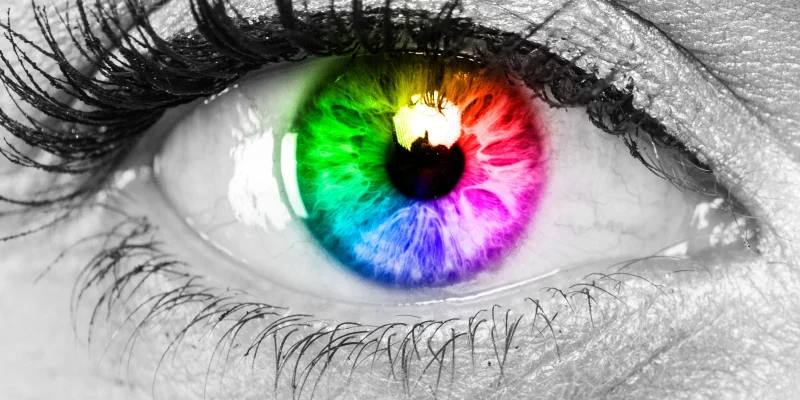
The Overlooked Importance of Living Color & How Colors Shape Our Minds and Bodies
The world we live in is filled with so many colors. Yet have you ever stopped for a moment to consider how just the experience of being exposed to these colors may be subconsciously impacting your mood, perception, and maybe even your diet?
Psych Yourself Up
When I find myself caught in an emotional hamster wheel of doom and gloom, I dial up a phrase that, if repeated often enough, will always bring me back to a “Yes, I can” state of mind.

Stress Stacking Up as Election Nears
As political tensions ramp up with the approaching election, mental health is taking a hit. A study found that 72% of Americans are stressed about the political climate. Here’s how to safeguard your mental well-being during this divisive time.

How Happy Are You?
According to Yang Yang, a University of Chicago sociologist: “The good news is that with age comes happiness.”

Basics About Stress
Stress, a state of mental or emotional strain or tension due to adverse or demanding circumstances, is a common issue that affects people worldwide. There are some basic things to know about stress – as well as ways to deal with it.

The Health Toll of Overworking
“The original holiday was meant to handle a problem of long working hours and no time off.”

5 Ways Senior Living Communities are Addressing Mental Health and Wellness
Within senior living communities, an important shift is taking place. These facilities are not just focusing on physical health anymore; they’re embracing a holistic approach that values mental health and well-being just as much.
Food and Mental Health
Is breakfast really the most important meal of the day? If I’m not hungry, is it OK to skip it?
How to Conquer Negative Self-Talk As You Age
Negative pitfalls in the mind may be hidden and sometimes subtle, but what we say to ourselves based on those thoughts will carve out dangerous ruts. Here are six steps to conquer your inner critic.
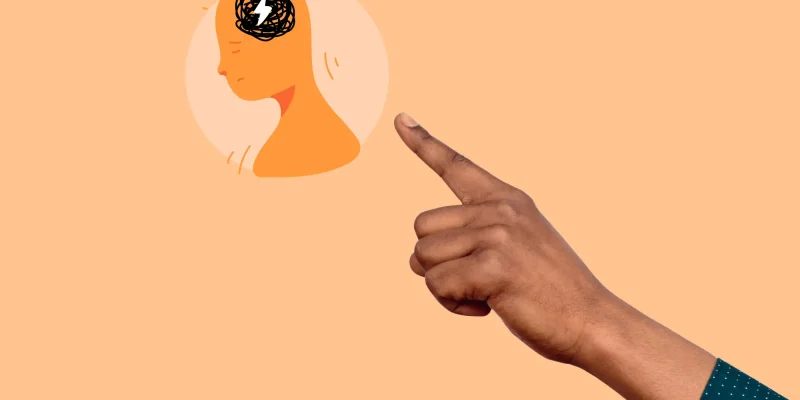
10 Effective Strategies for Healthy Grieving
Experts say there are typical patterns of grief, but anyone who has tasted deep sorrow knows the stages fluctuate and often repeat.

Red Flags Go Up on Our Social Media Obsession
The impact the internet and social media have on modern society is clear, troubling, and seemingly ever-increasing. The influence that it may have on our brains is now a central topic of investigation.

Your Aging Brain
In this episode of Next Steps 4 Seniors: Conversations on Aging, host Wendy Jones is joined by Dr. Ana Daugherty, Director of the Detroit Aging Brain Study (DABS) at Wayne State University’s Cognitive Neuroscience of Aging Lab. Together, they explore the intricate journey of how our brains change as we age and what we can do to maintain cognitive health.

“Puttering Around” is Good for You

7 Memory-Enhancing Tips to Keep Your Brain Strong

26 Million Americans Over 50 Live Alone: Independence or Isolation?

Free Senior Resources