Nutrition (Page 4 of 5)
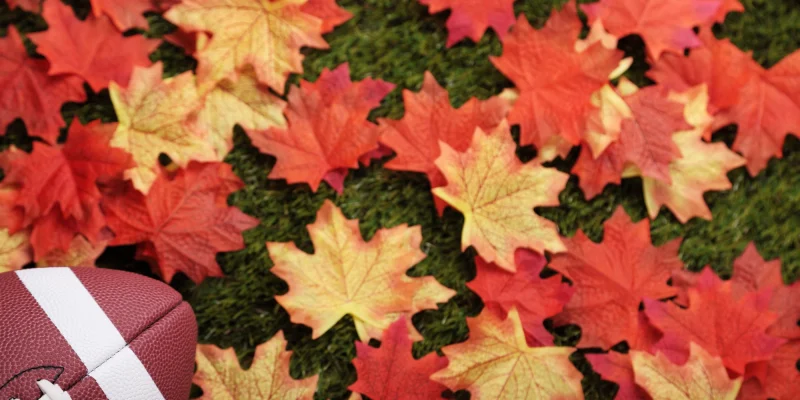
Fueling Fall Sports
Fueling a teen’s body for those sports is extra important. Here are some tips to help you make it happen!
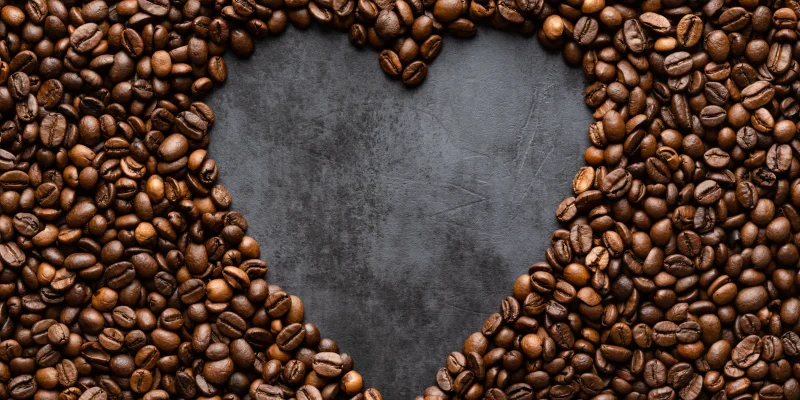
Heart-Healthy Coffee
Here’s happy news for coffee drinkers: Up to 3 cups a day may be beneficial for your heart. But there’s a catch – if you’re adding sugar and cream, coffee’s benefits may be canceled out.
5 Simple Ways for Seniors to Overcome Obesity
Obesity in seniors is not just a medical concern; it also impacts their quality of life and the ability to live independently. However, with the right guidance and support, achieving a healthy weight is attainable.

Oats Over Ozempic, Skeleton Secrets, and When Laughter ISN’T the Best Medicine
Sure, you can try to lose weight using a trendy drug like Ozempic, assuming you can afford it.

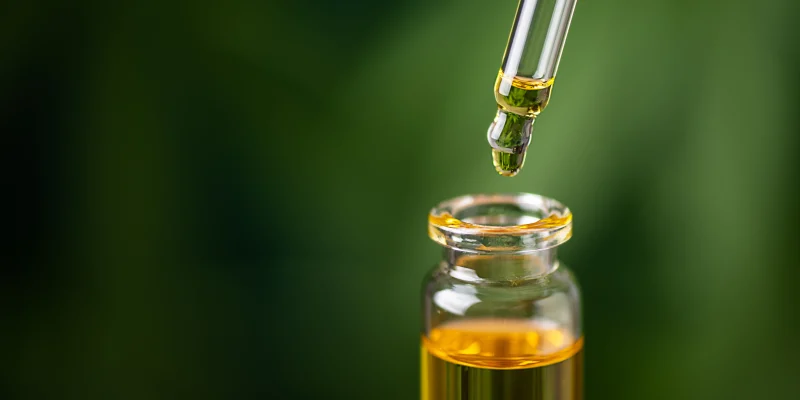
Healthy Oils a Slippery Subject
This is a commentary about oil. Not the crude stuff, but the various extracts that have been used, some since the beginnings of recorded history, to improve human health.
Healthy Eating Habits
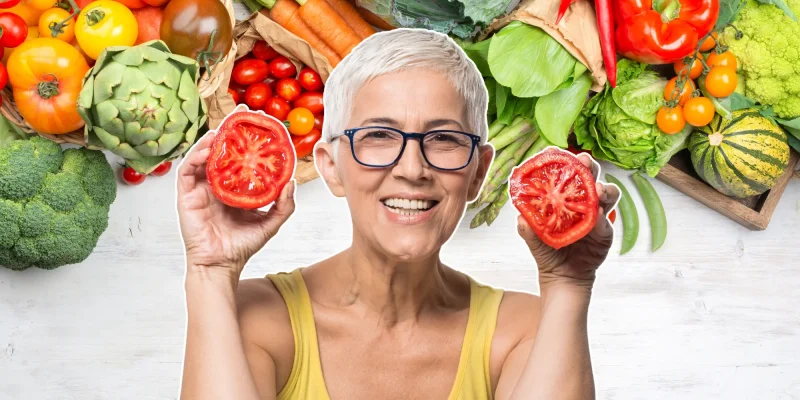
Studies show that healthy eating can lower your risk of health problems, and it’s never too late to start!
Food and Mental Health
Is breakfast really the most important meal of the day? If I’m not hungry, is it OK to skip it?
Some Juicy News on Health
“The juice contains boatloads of vitamin C, antioxidants, and flavonoids, all of which help to prevent excess inflammation and keep cells running smoothly on all cylinders.”

So, Maybe They DO Have a Shelf Life
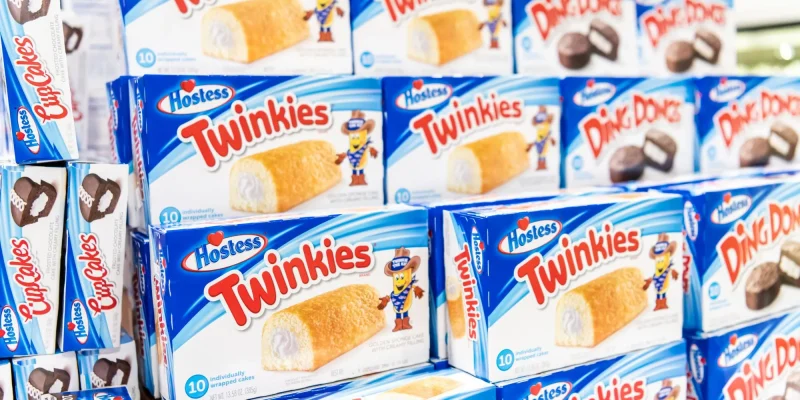
The Food and Drug Administration is reportedly considering its first regulations for ultra-processed foods, such as soda, prepackaged cookies, and breakfast cereals. These foods make up roughly 60% of all calories consumed by the typical American but are notoriously laden with unhealthy ingredients.
Whole Grains Versus Refined
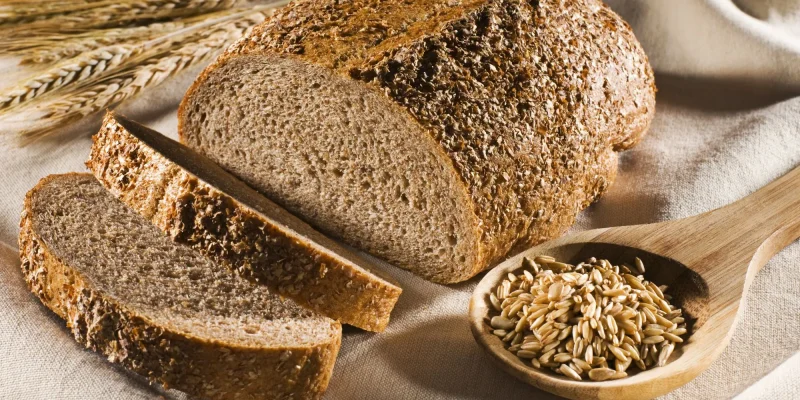
Small changes like these can make a huge difference later in life.
Healthier To Go
Do the words “healthy” and “takeout” even belong together? They can. Like everything else concerning your diet, it all depends on your choices.

Don’t Drink to That
After age and tobacco use, the third-biggest driver of cancers among people aged 30 and older is alcohol, with roughly 5% of cancer cases in men and women attributable to drinking.

What We Think We Know About Hydration Could Be Wrong
The simple response that we “need to stay hydrated” doesn’t quite cut it anymore.

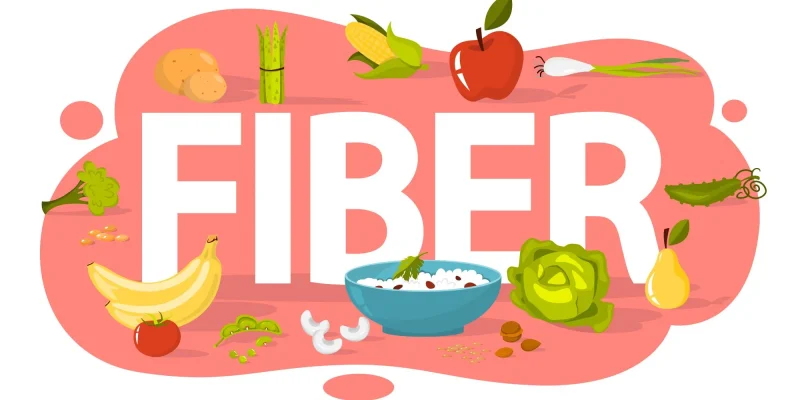
Getting Enough Fiber?
A new study finds that American adults continue to fall short of their daily fiber needs. The study looked at data from more than 14,000 adults over five years. Only 7.4% met the Institute of Medicine’s recommendation of 14 grams of fiber for every 1,000 calories consumed. We need anywhere from 25 to 38 grams of fiber per day, depending on our gender (men need more) and calorie intake.
Moving Away from Ultra-Processed
The recommendation is to eat fewer ultra-processed foods and more whole, minimally processed foods. Here’s how!





Free Senior Resources